
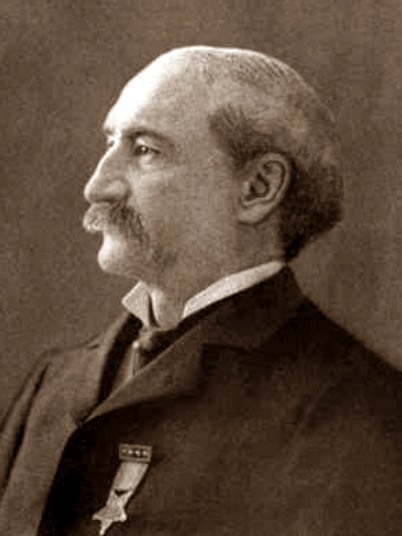
Thaddeus Stevens Clarkson
Thaddeus Stevens Clarkson’s Grand Father, Rev. Joseph Clarkson was cousins with the 16th U.S. President Abraham Lincoln through his Mother Mary Flower Clarkson’s Great Grand Father, Enoch Flower & His Wife Rebecca Barnard.
- Dr. Gerardus Clarkson (Great x2 Grand Father) & Mary Flower Clarkson (Great x2 Grand Mother)
- Rev. Joseph Clarkson (Grandfather) & Grace Cooke Clarkson (Grandmother)
- Micheal Cooke Clarkson (Father) Louisa Harper Clarkson (Mother)
- Thaddeus Stevens Clarkson (Self) & Mary Beecher Matteson (Wife)
Mary Flower to Enoch Flower:
- Mary Flower Clarkson’s Parents: Samuel Flower & Rebbecca Branson Clarkson
- Mary Flower Clarkson’s Grandparents: Henry Flower (Grandpa) & Elizabeth Paschall (Grandma)
- Mary Flower Clarkson’s Great Grandparents: Enoch Flower & Rebecca Barnard.
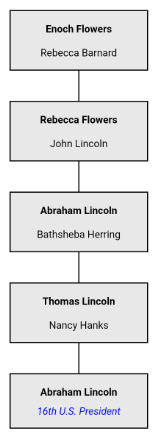
- Michael Cooke Clarkson 1800 – 1871
- Rev. Joseph Clarkson (1765 – 1830)
- Dr. Gerardus Clarkson (1737 – 1790)
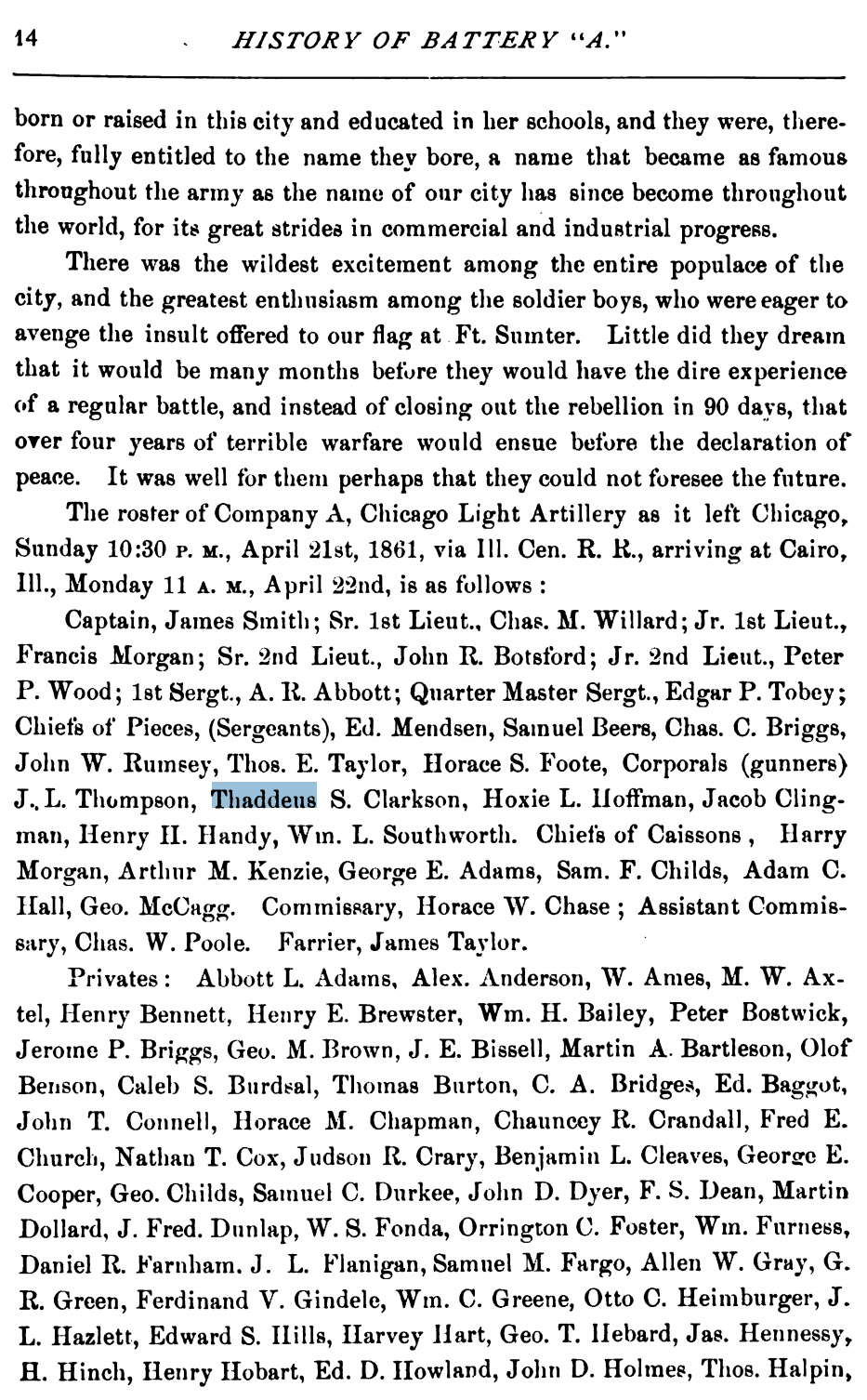
- Thaddeus Stevens Clarkson (1840 – 1915) Was 21 when he joined the Battery A army after Abraham Lincoln asked for 75,000 military for the civil war.
Abraham Lincoln Born 1809- 1865
More published writings I want to find:
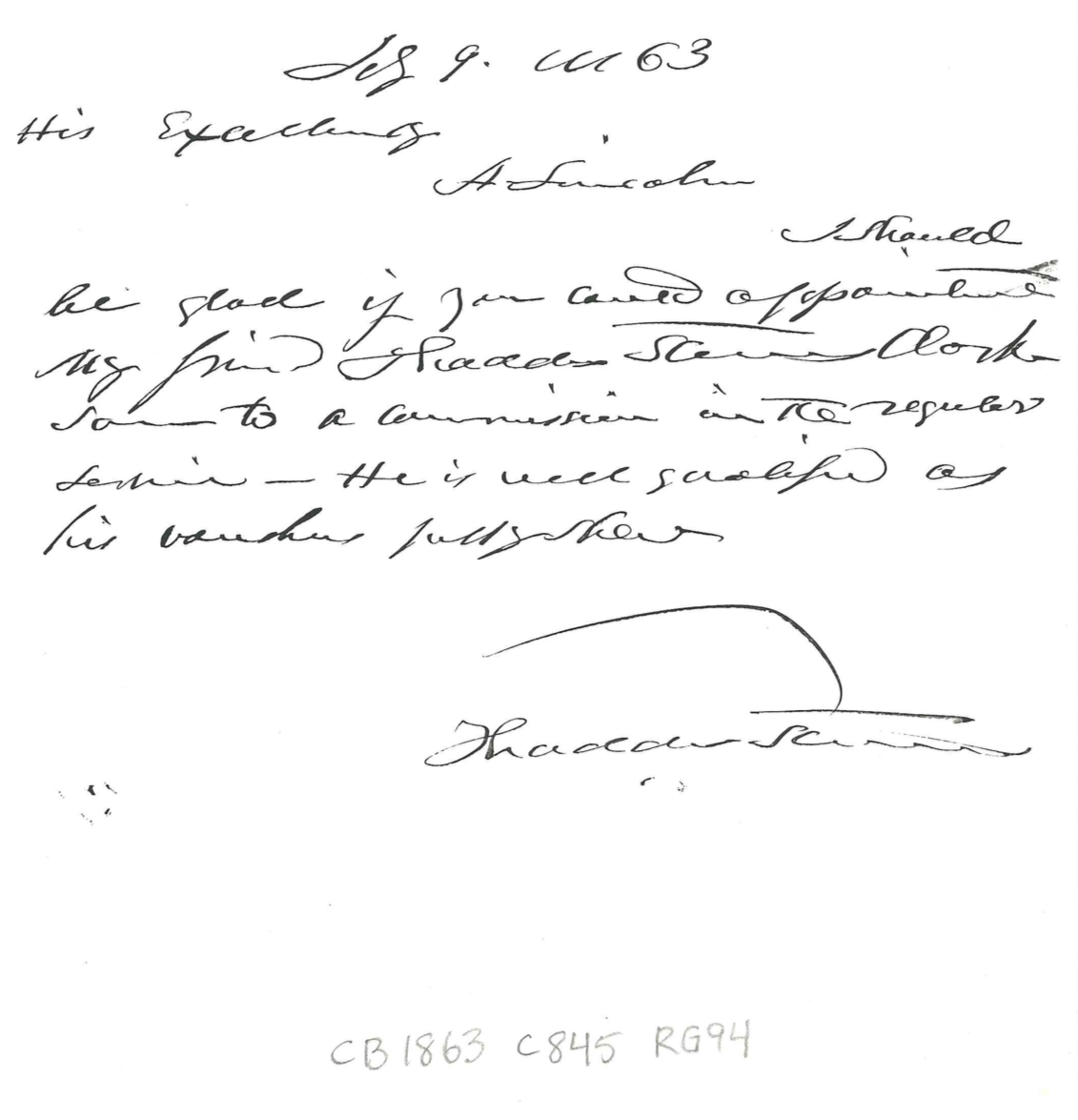
Folder 934 Letter from Thaddeus Stevens to President Abraham Lincoln recommending Thaddeus Stevens Clarkson to a commission in the regular service. 9 February 1863.
LancasterHistory
230 North President Avenue
Lancaster, PA 17603
Phone: (717) 392-4633
Email: info@lancasterhistory.org
Letter Below Writes:
Feb 9. 1863
His Excellency
- Lincoln
I should be glad if you could [appointment] my friend Thaddeus Stevens Clarkson to a commission in the regular service — He is well qualified as his vouchers fully show.
[Yours]
Thaddeus Stevens
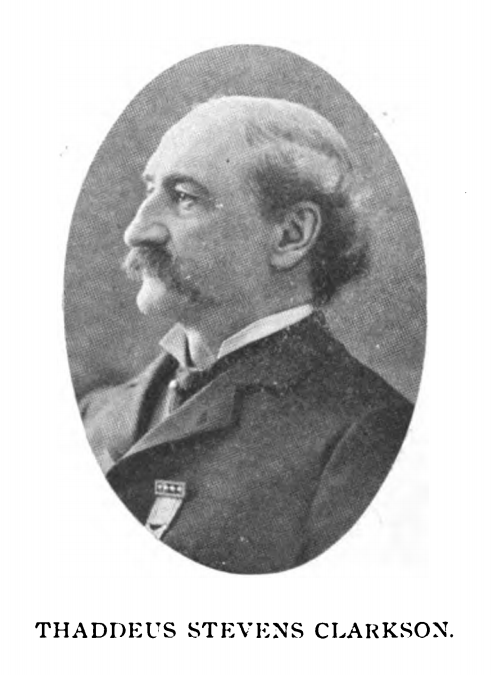
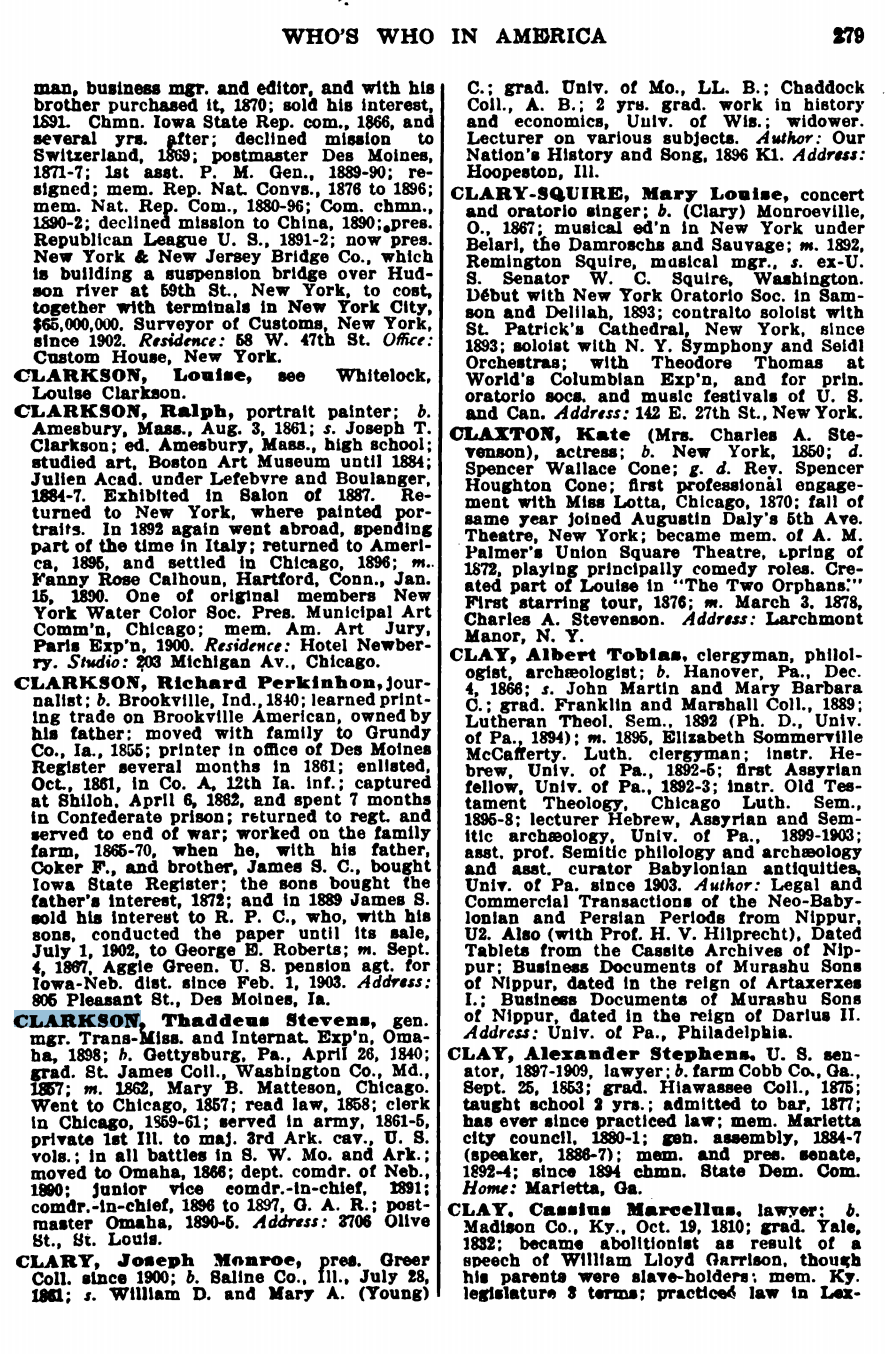
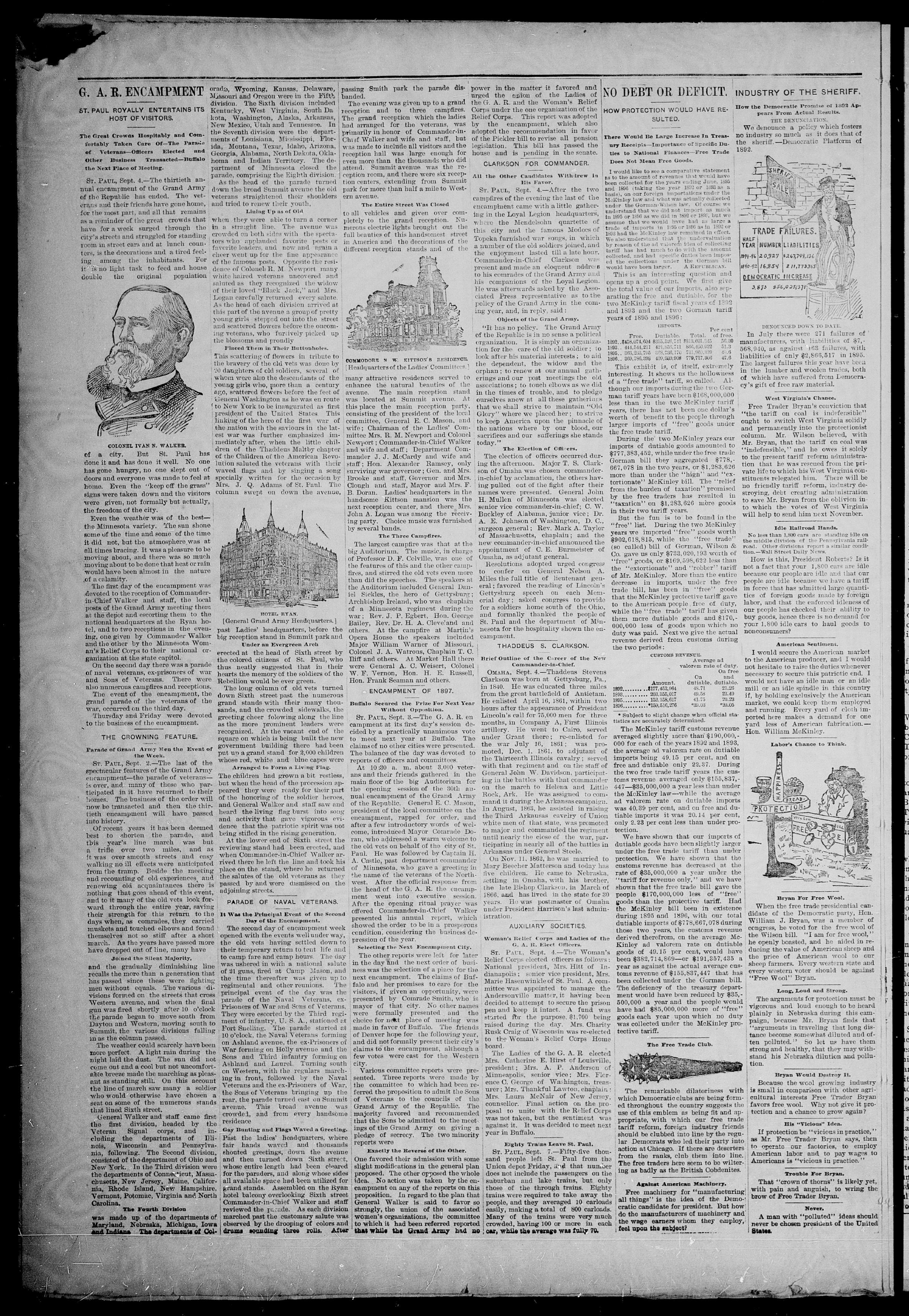
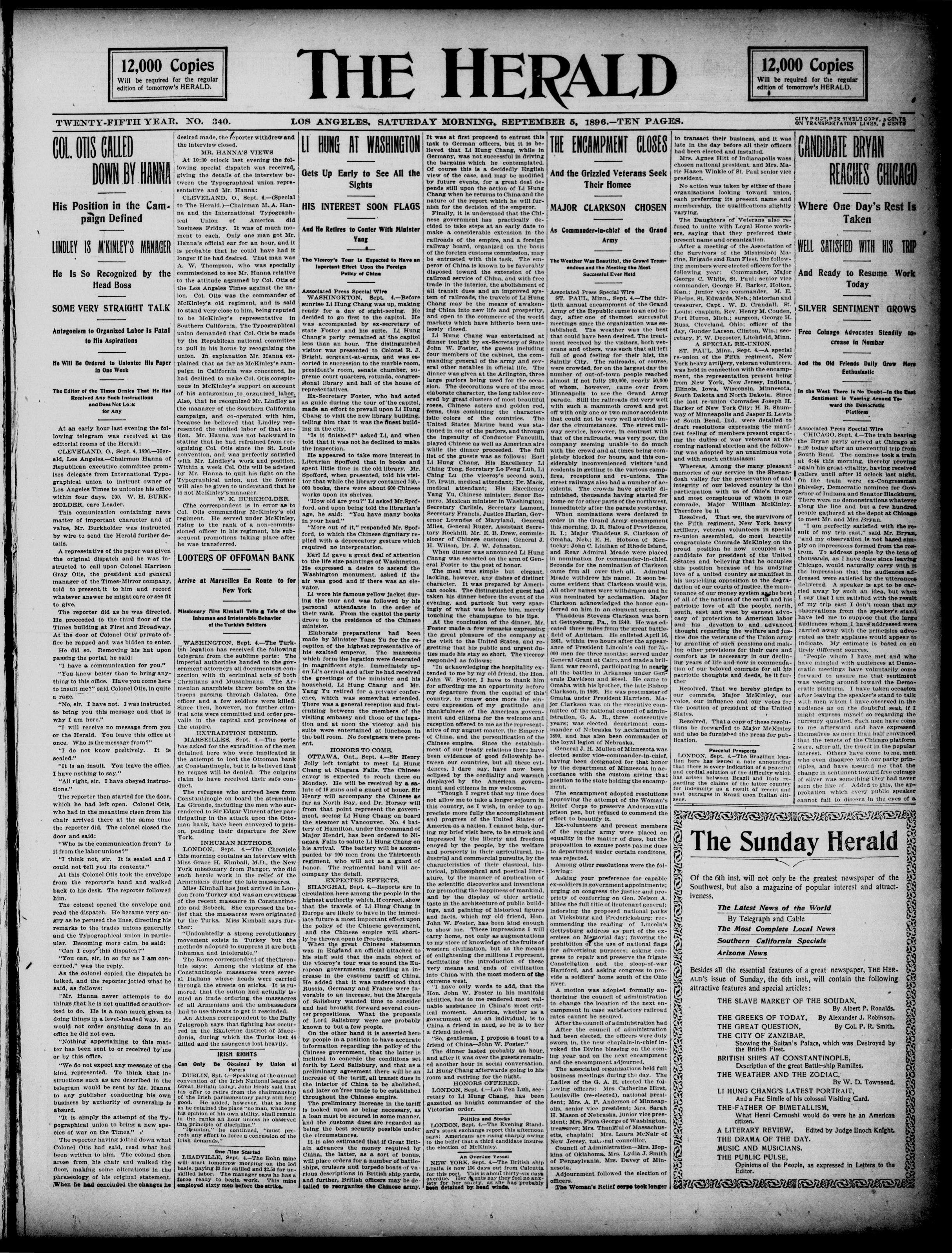
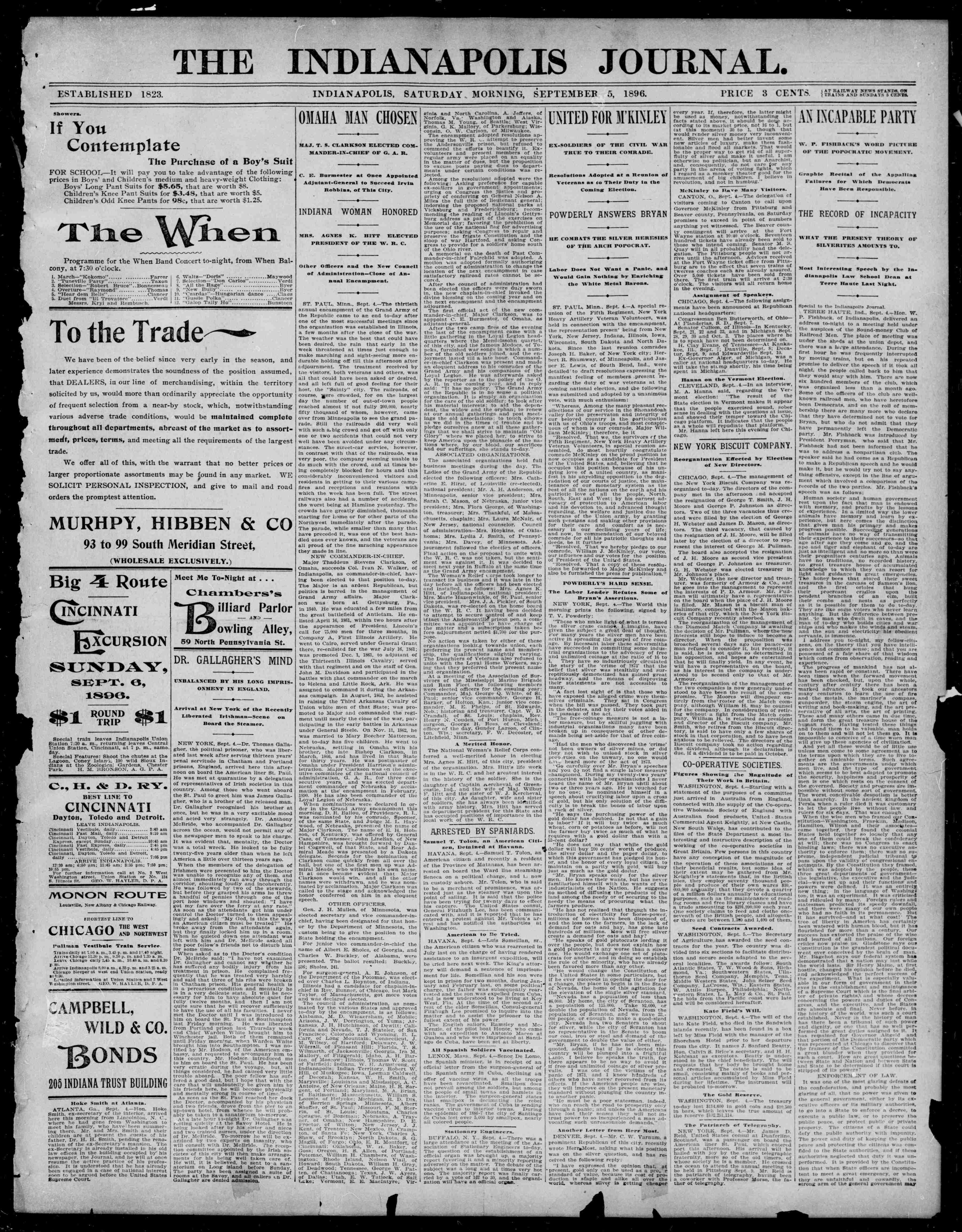
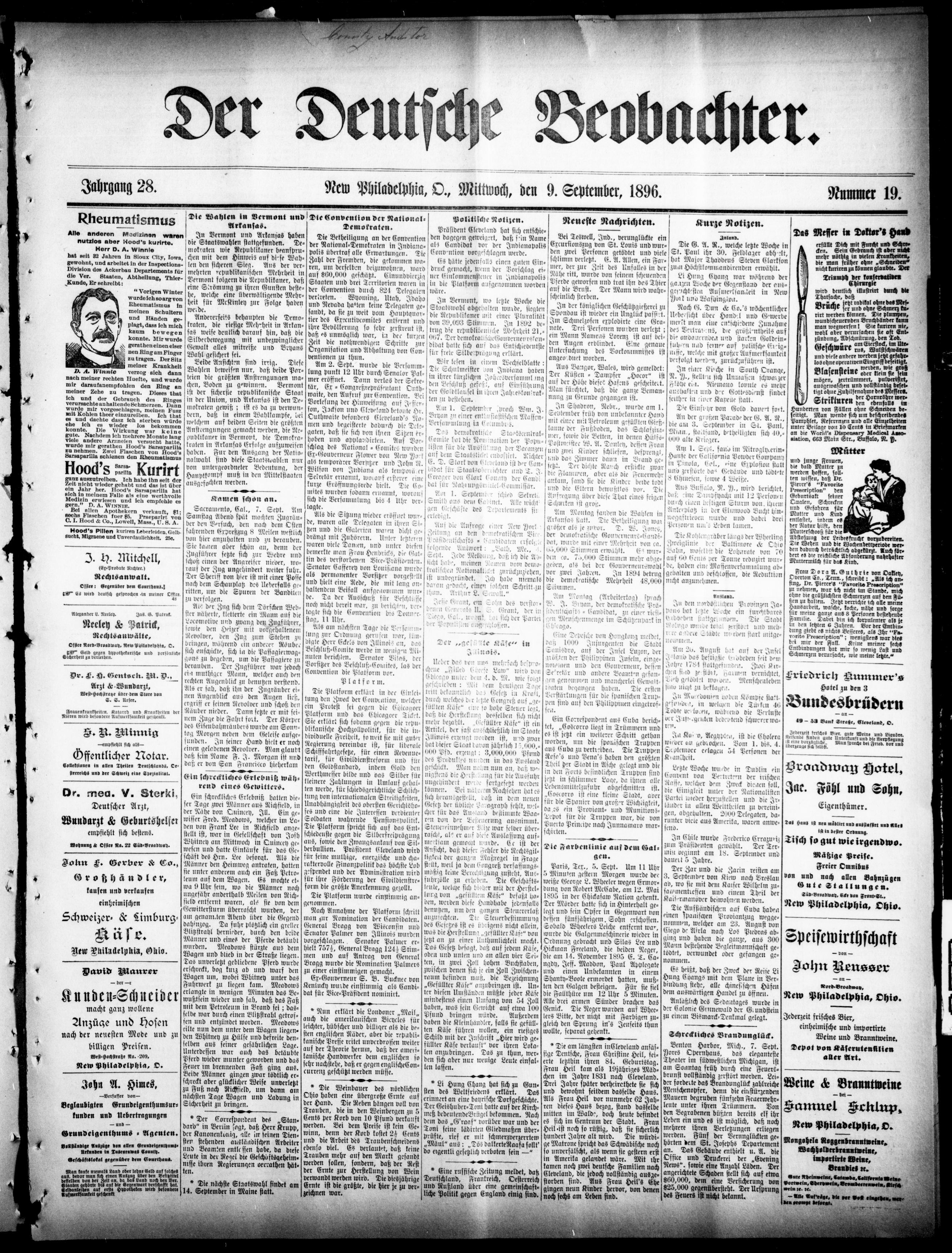
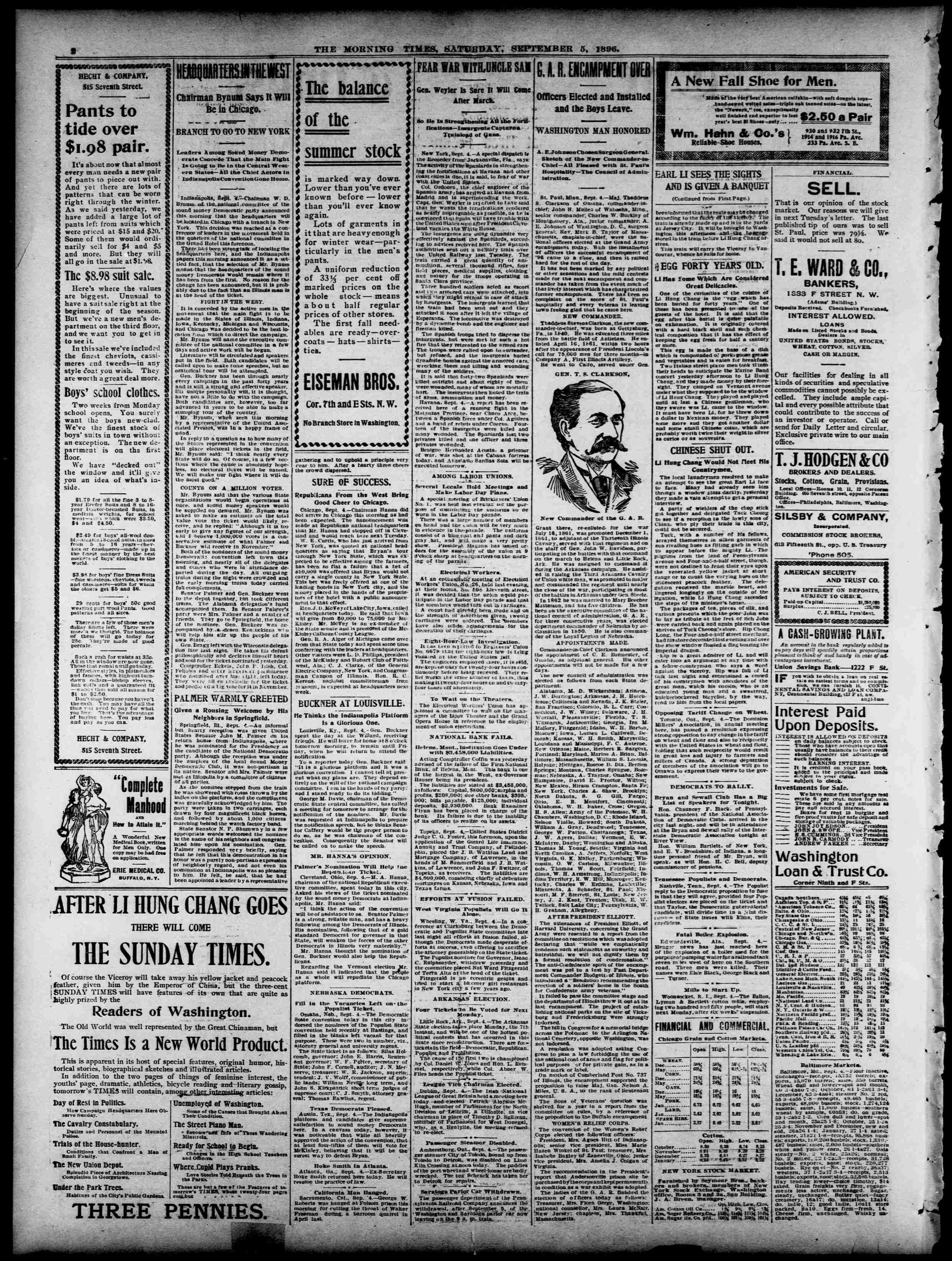
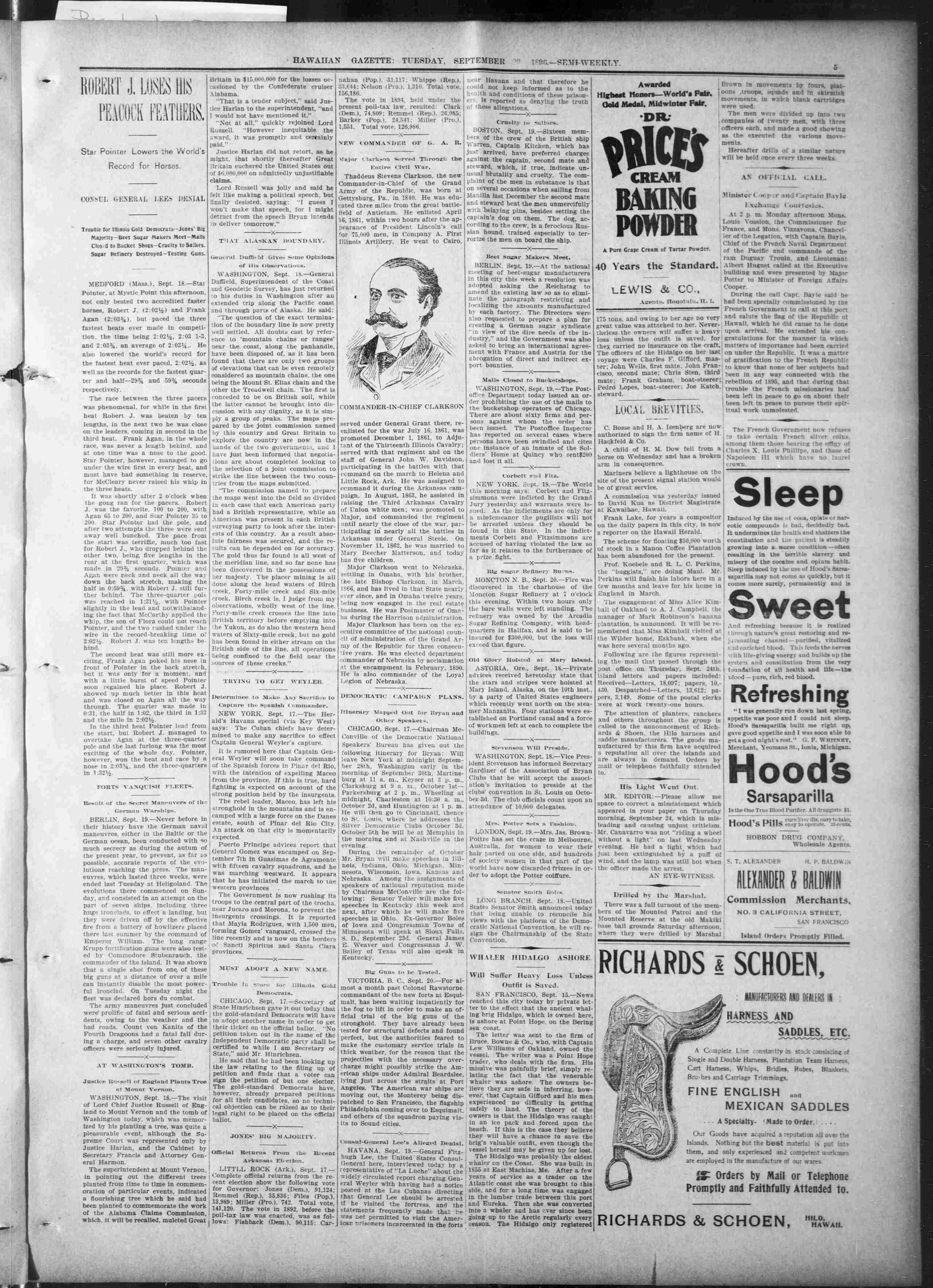
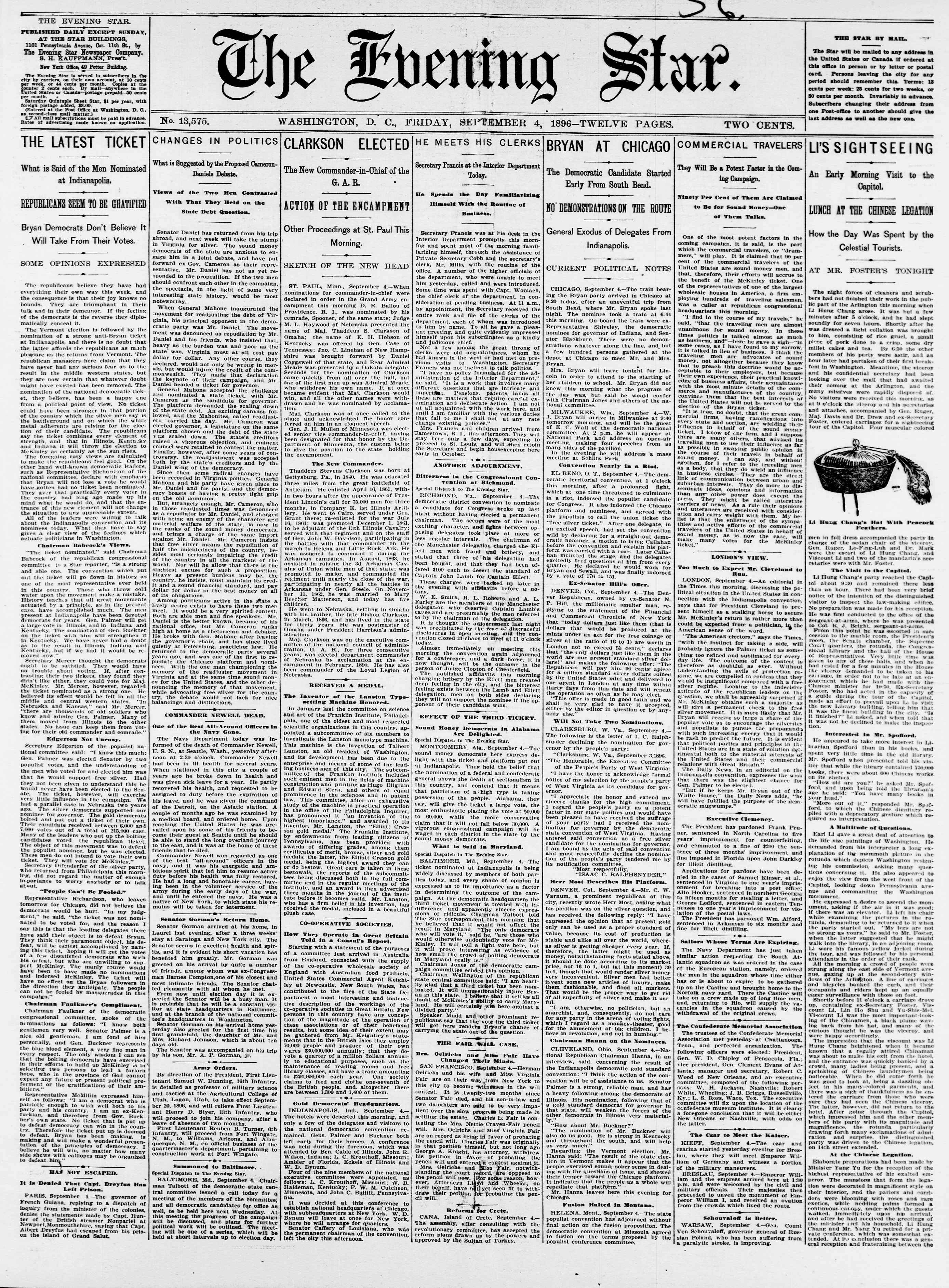
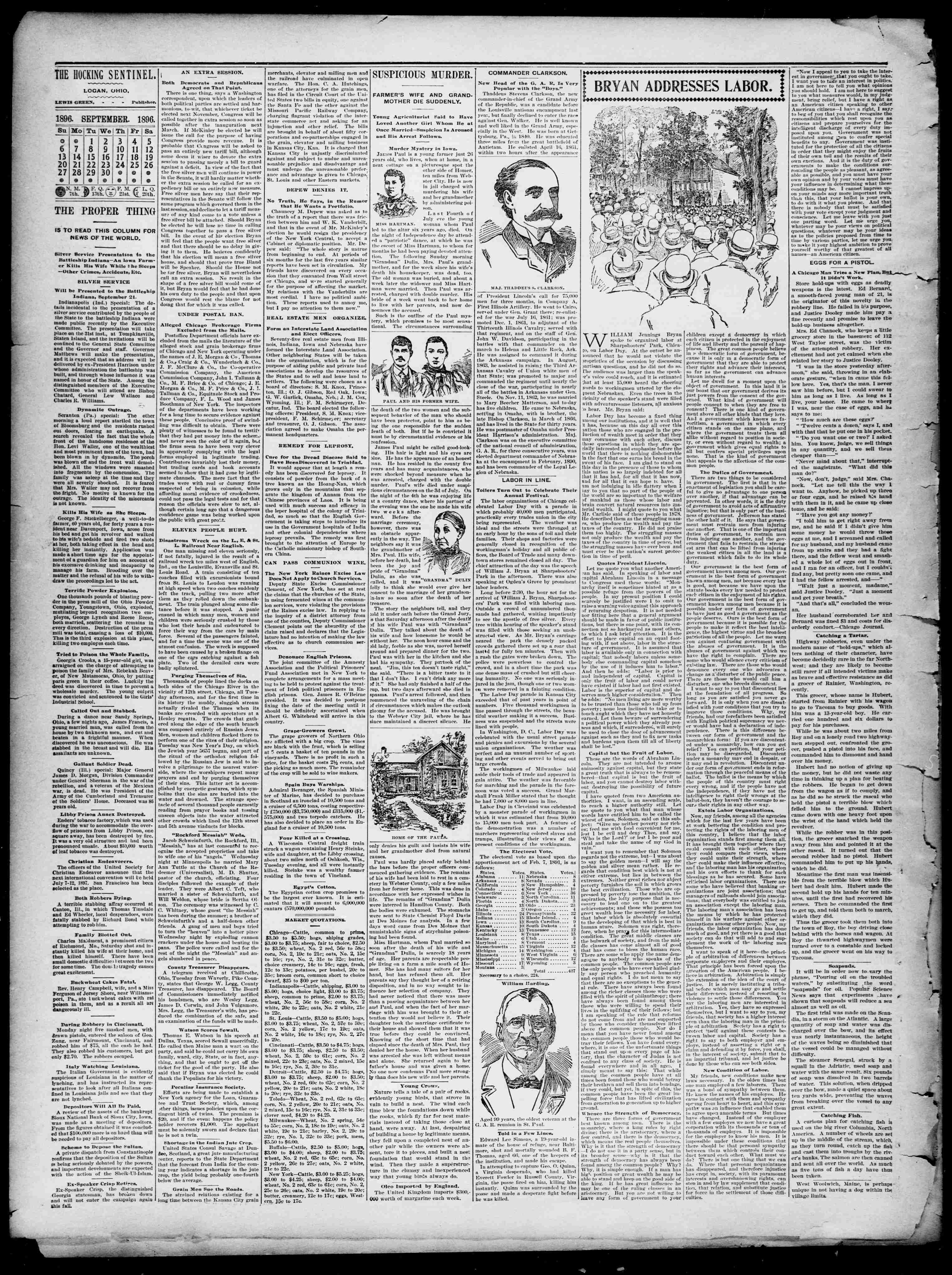
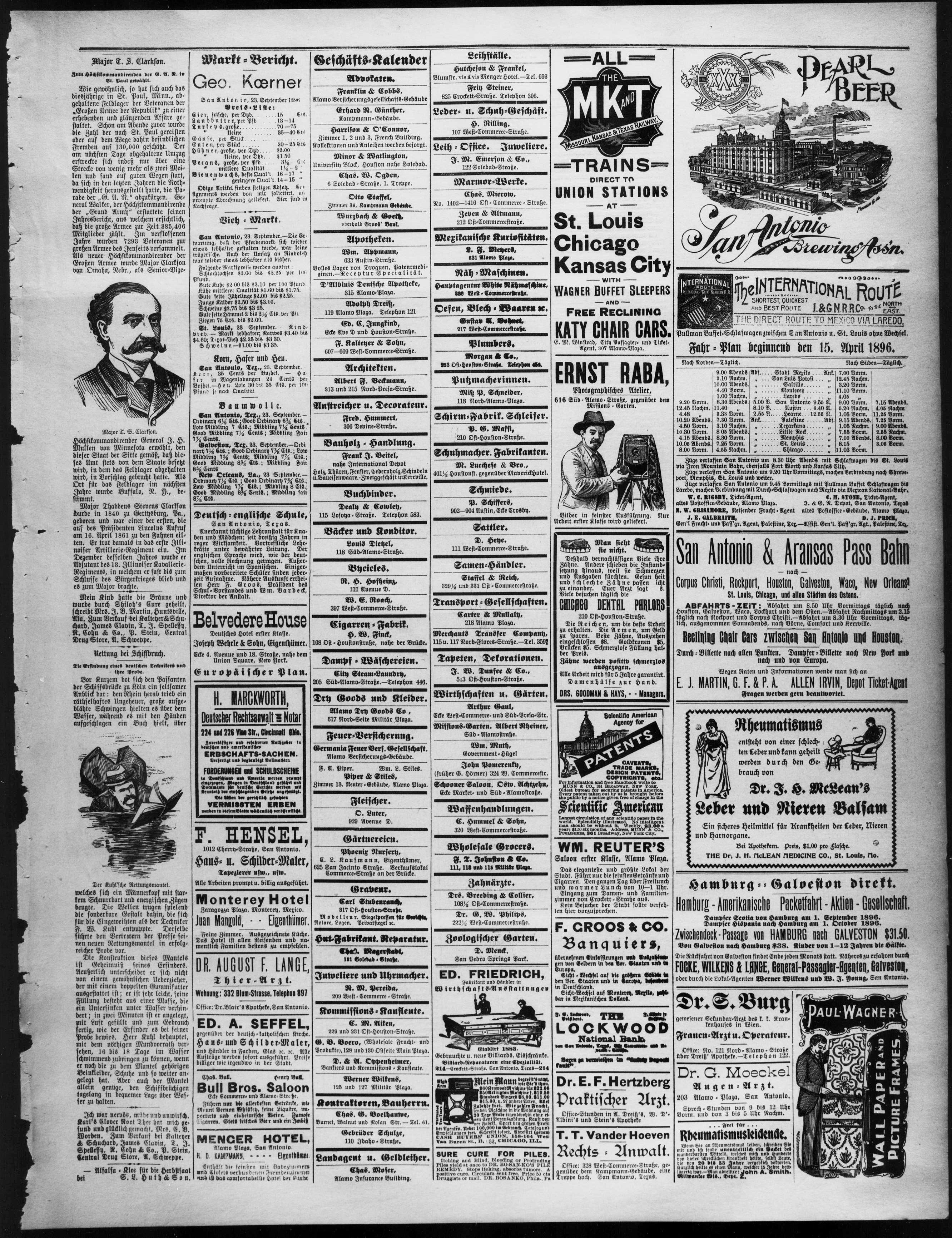
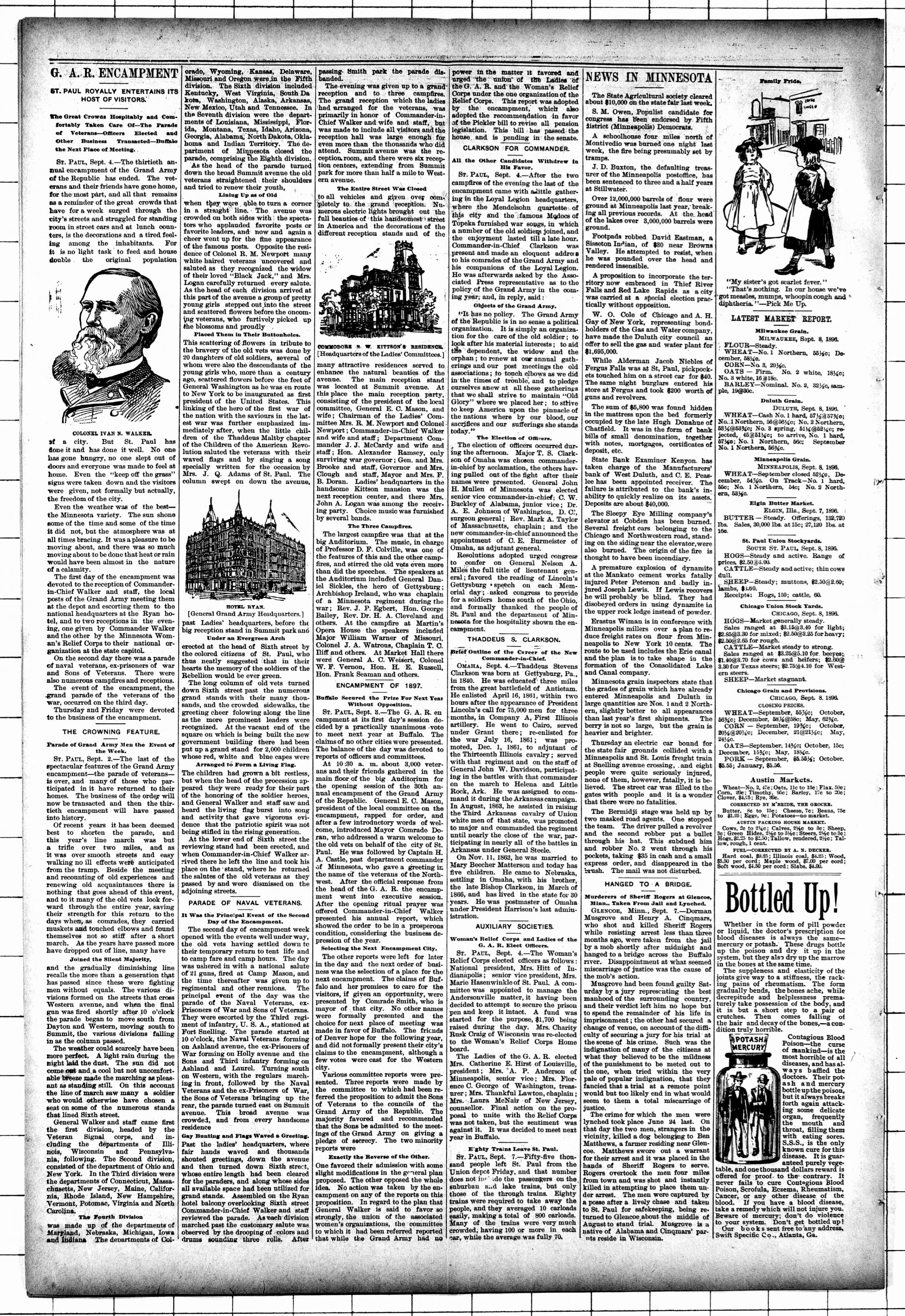
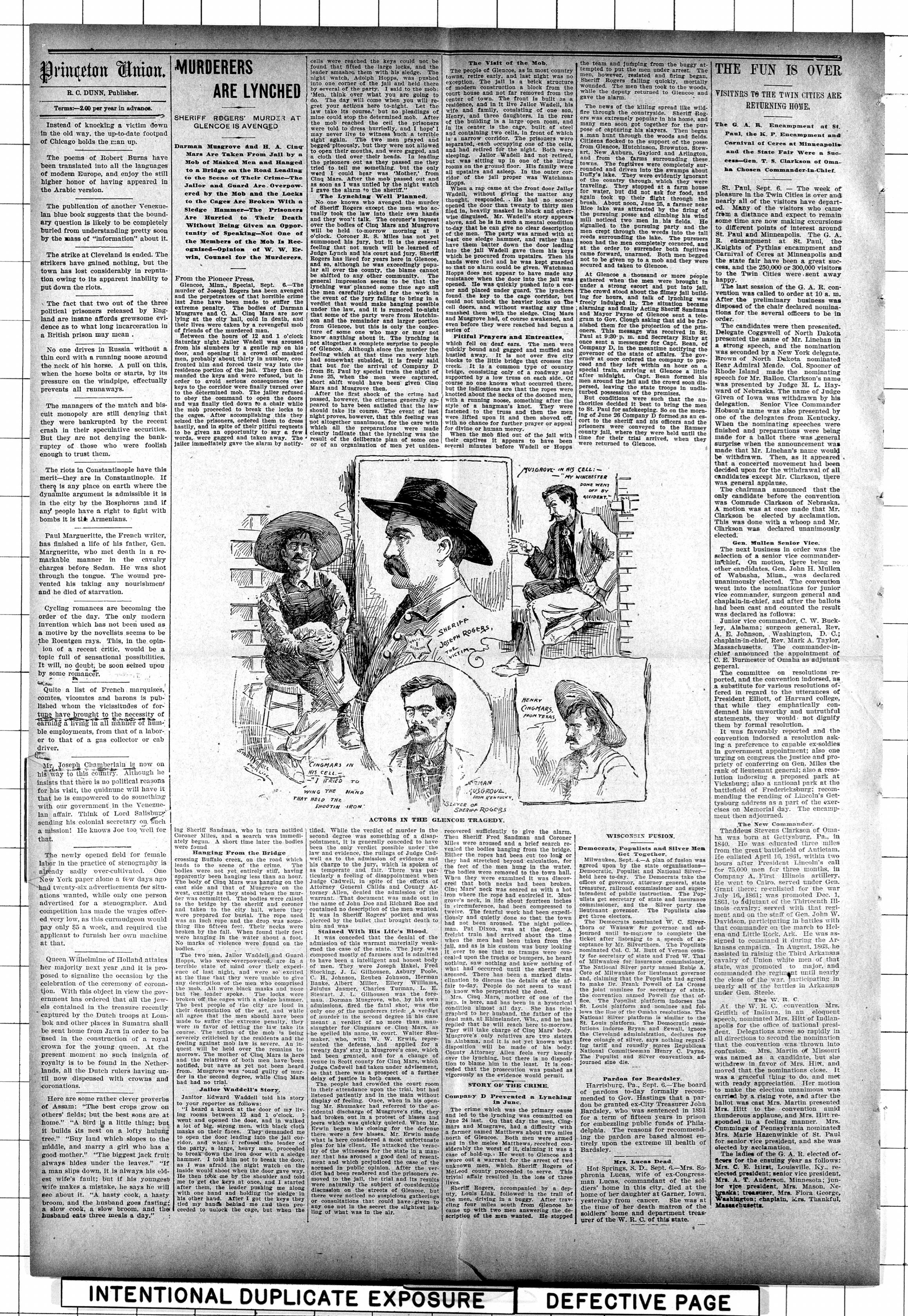
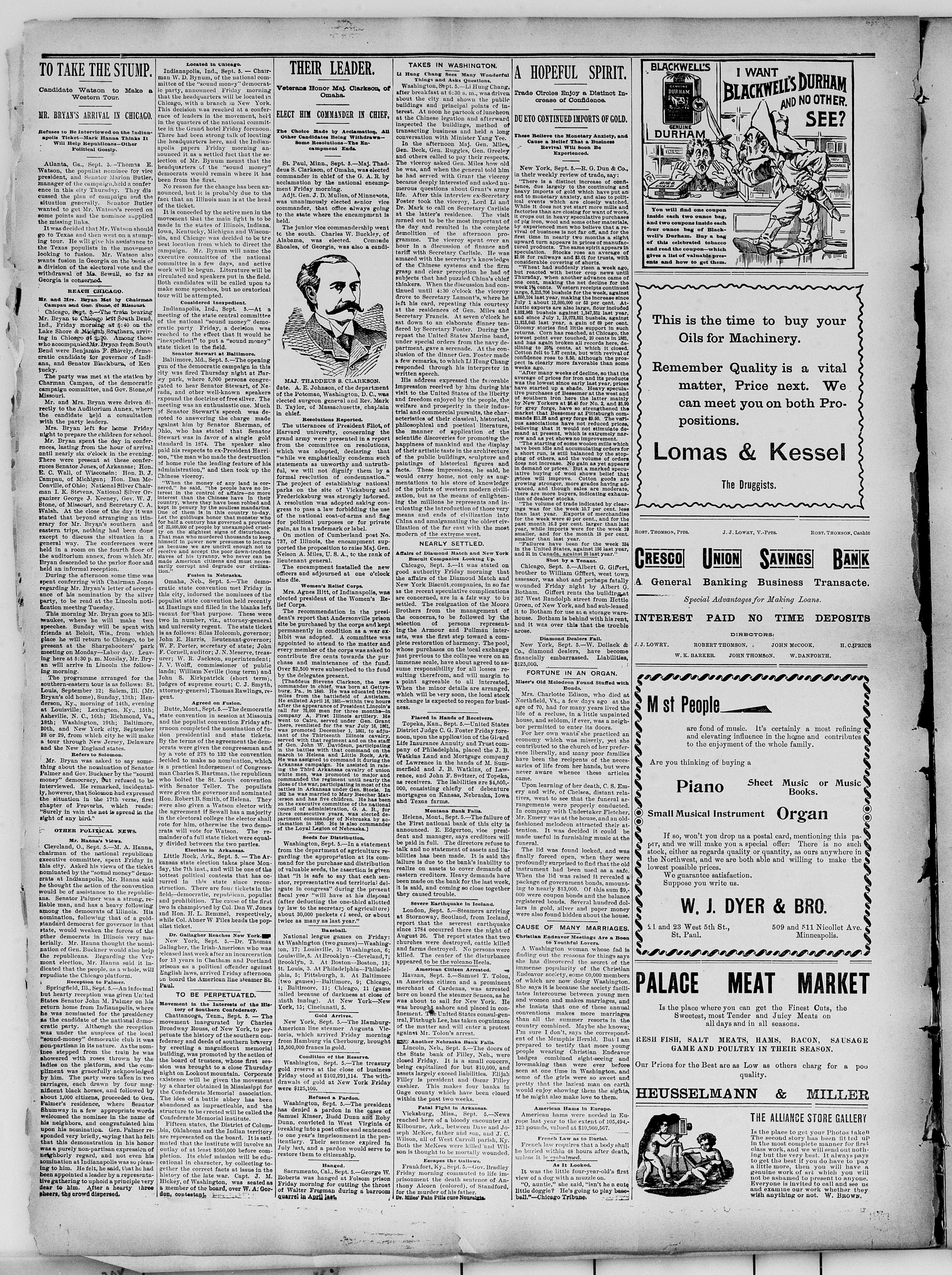
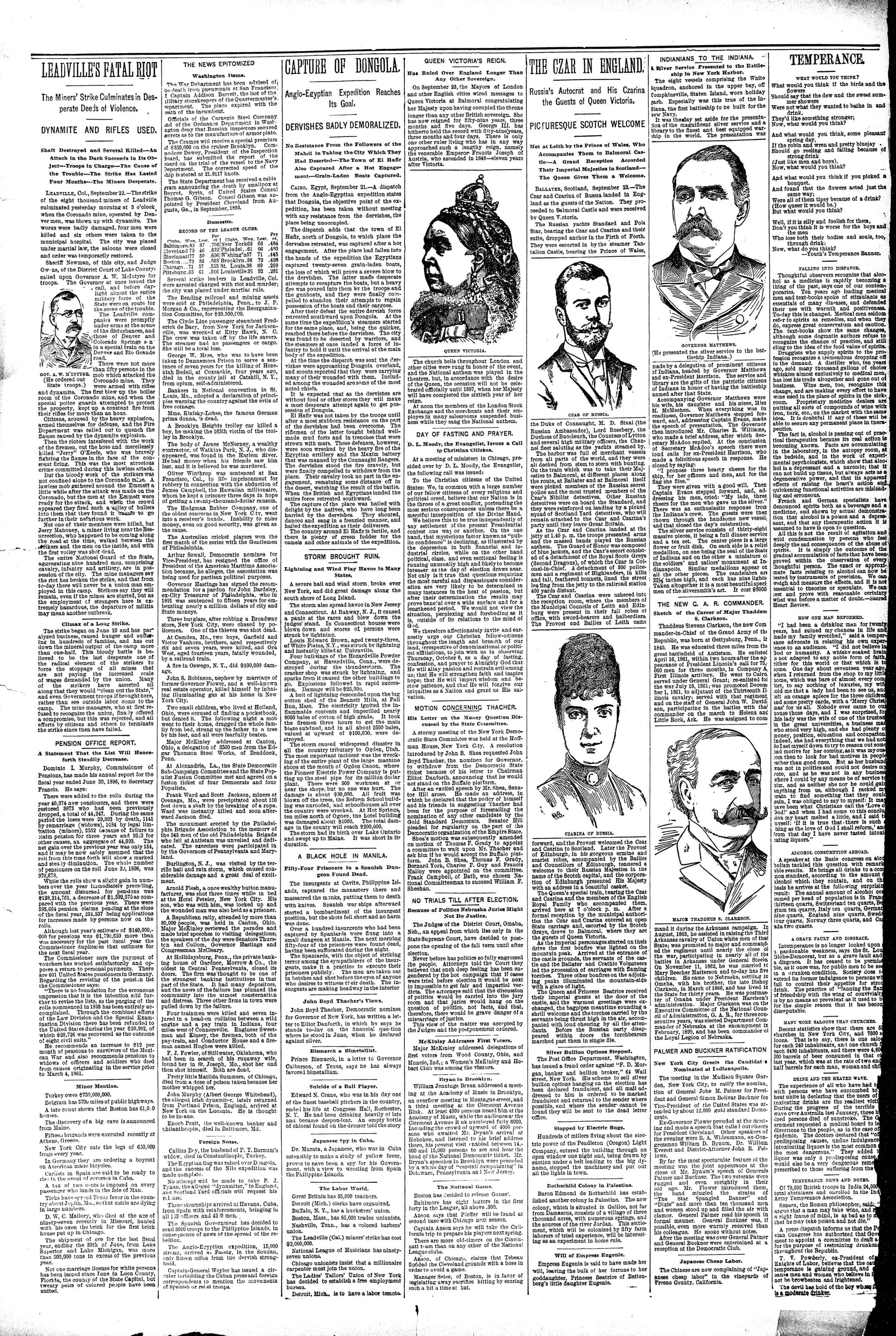
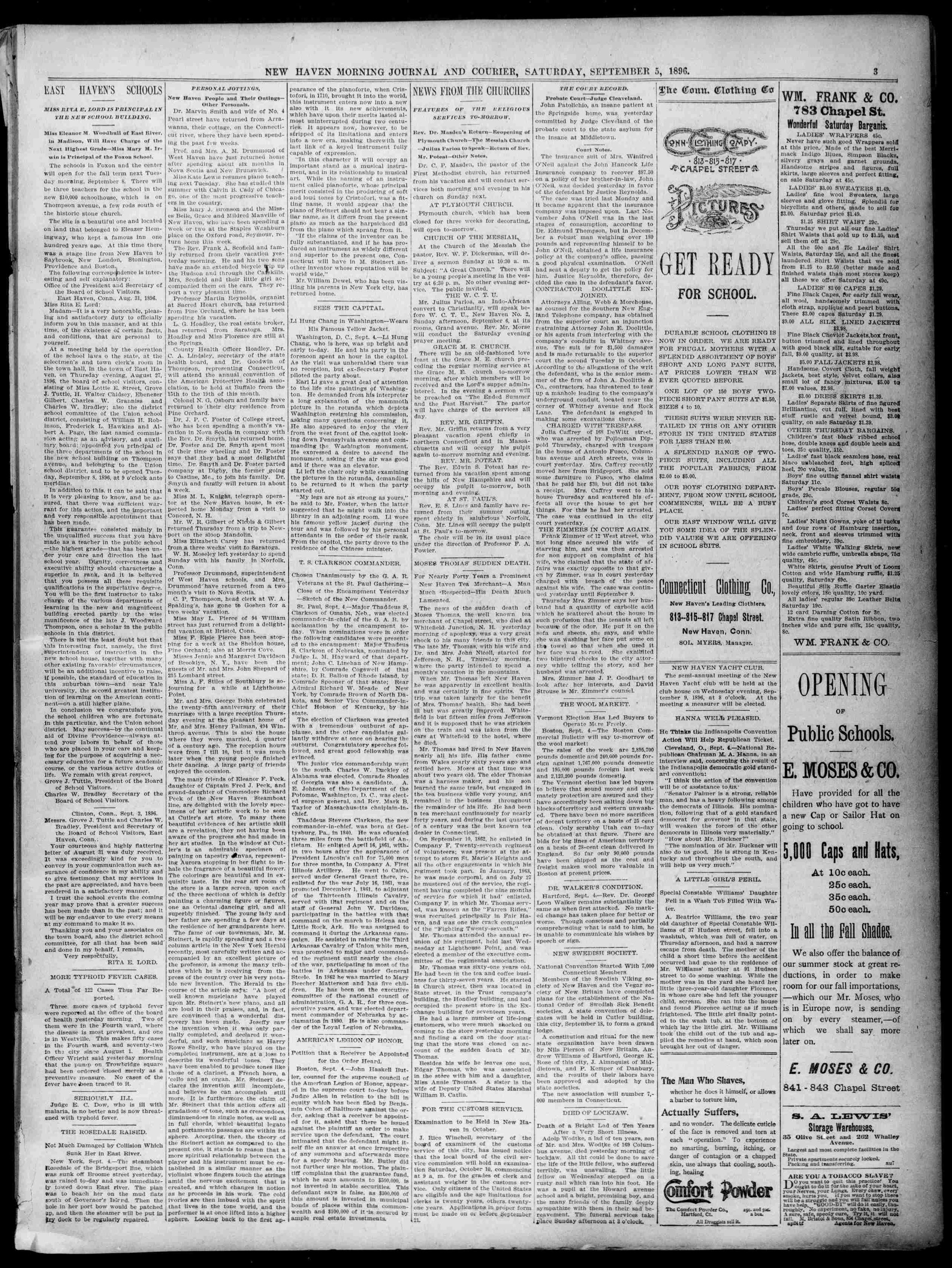
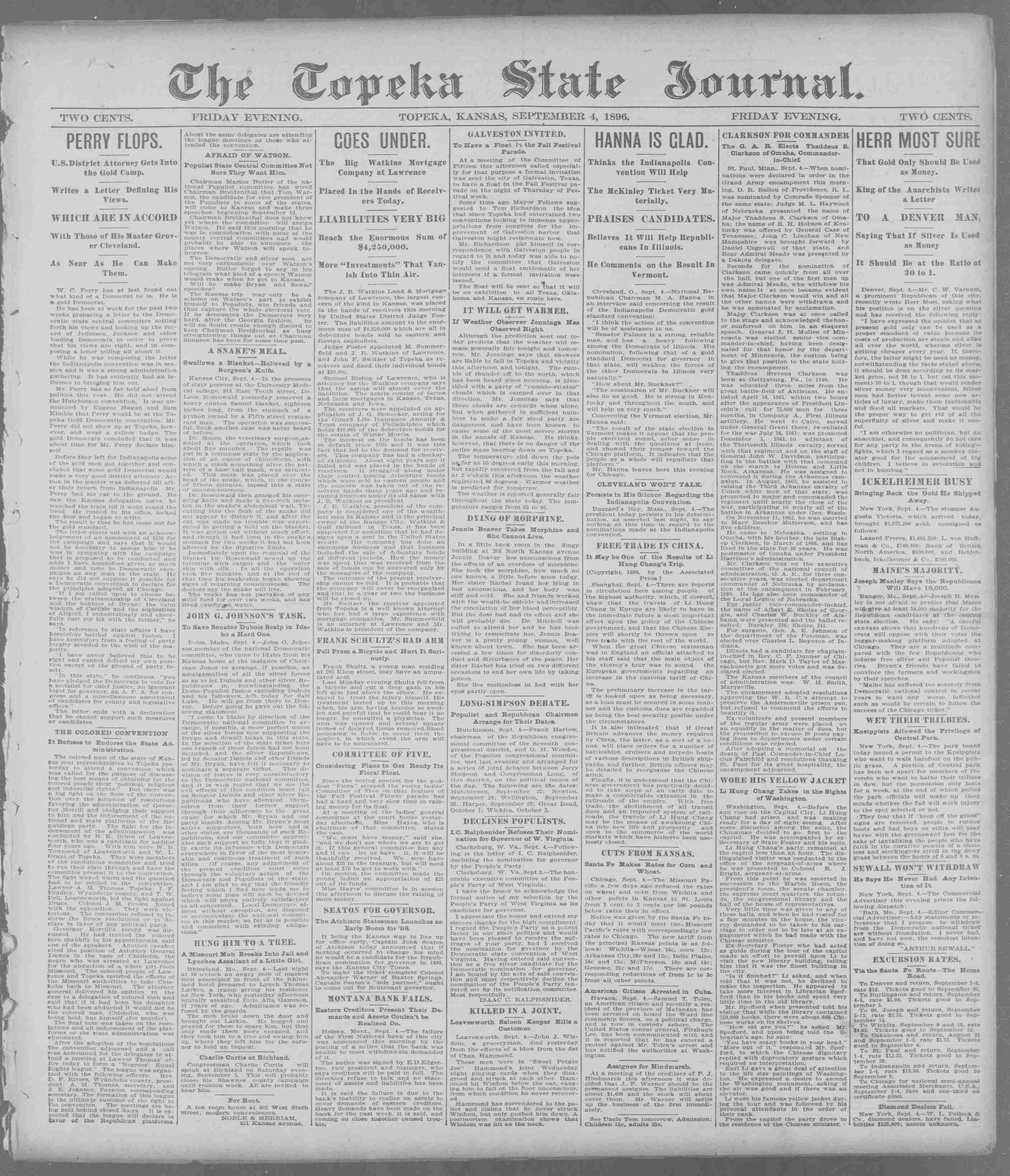
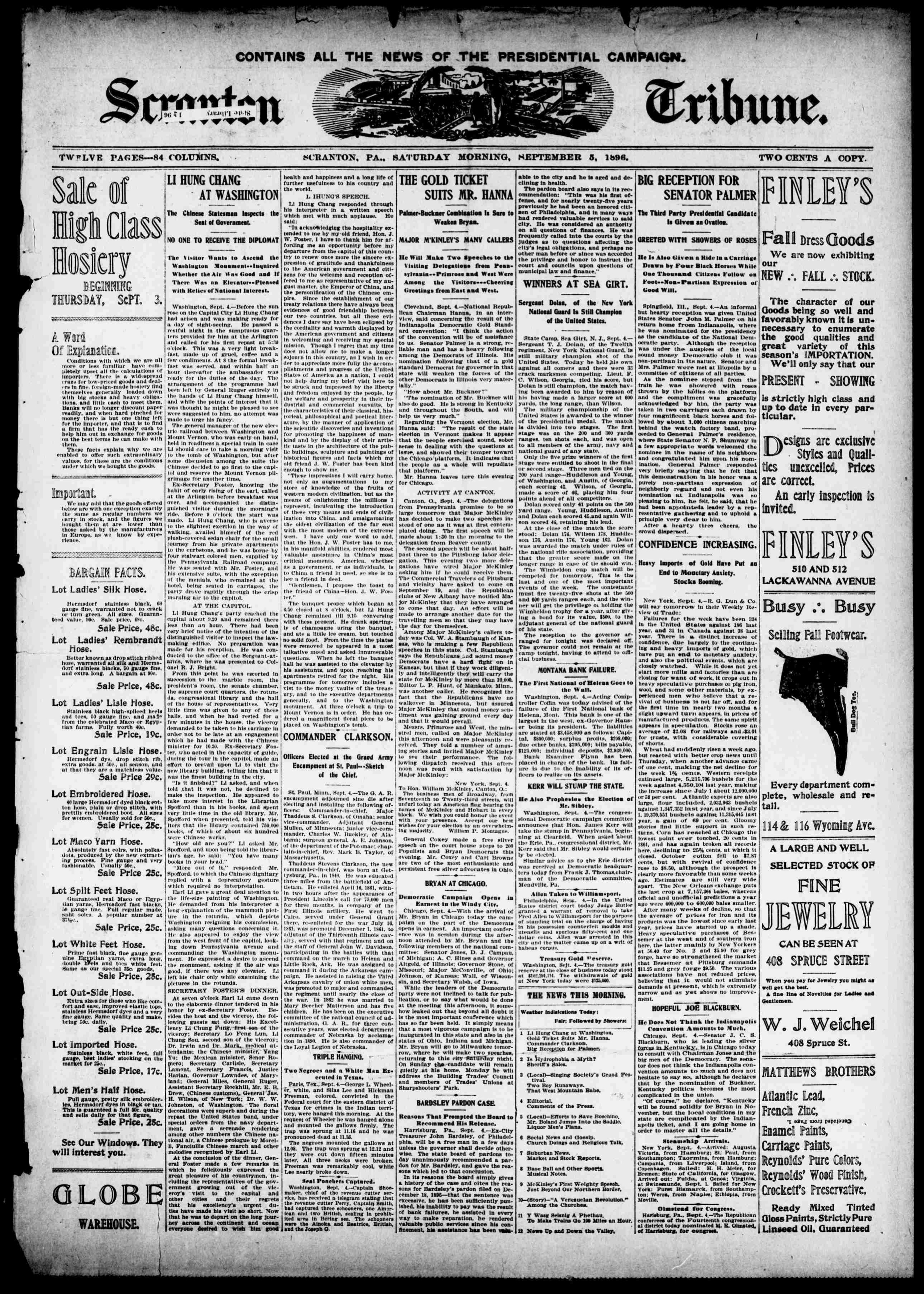
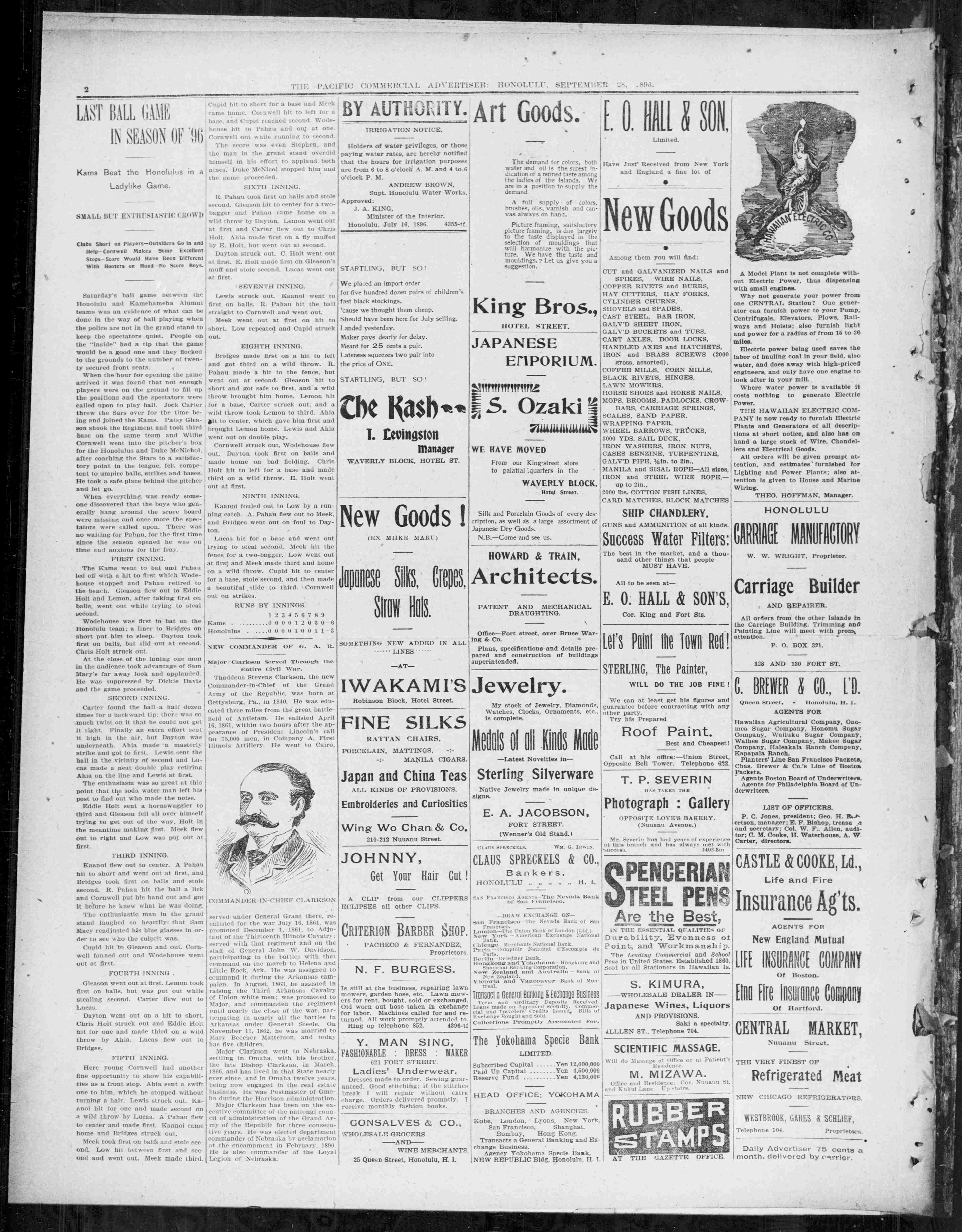
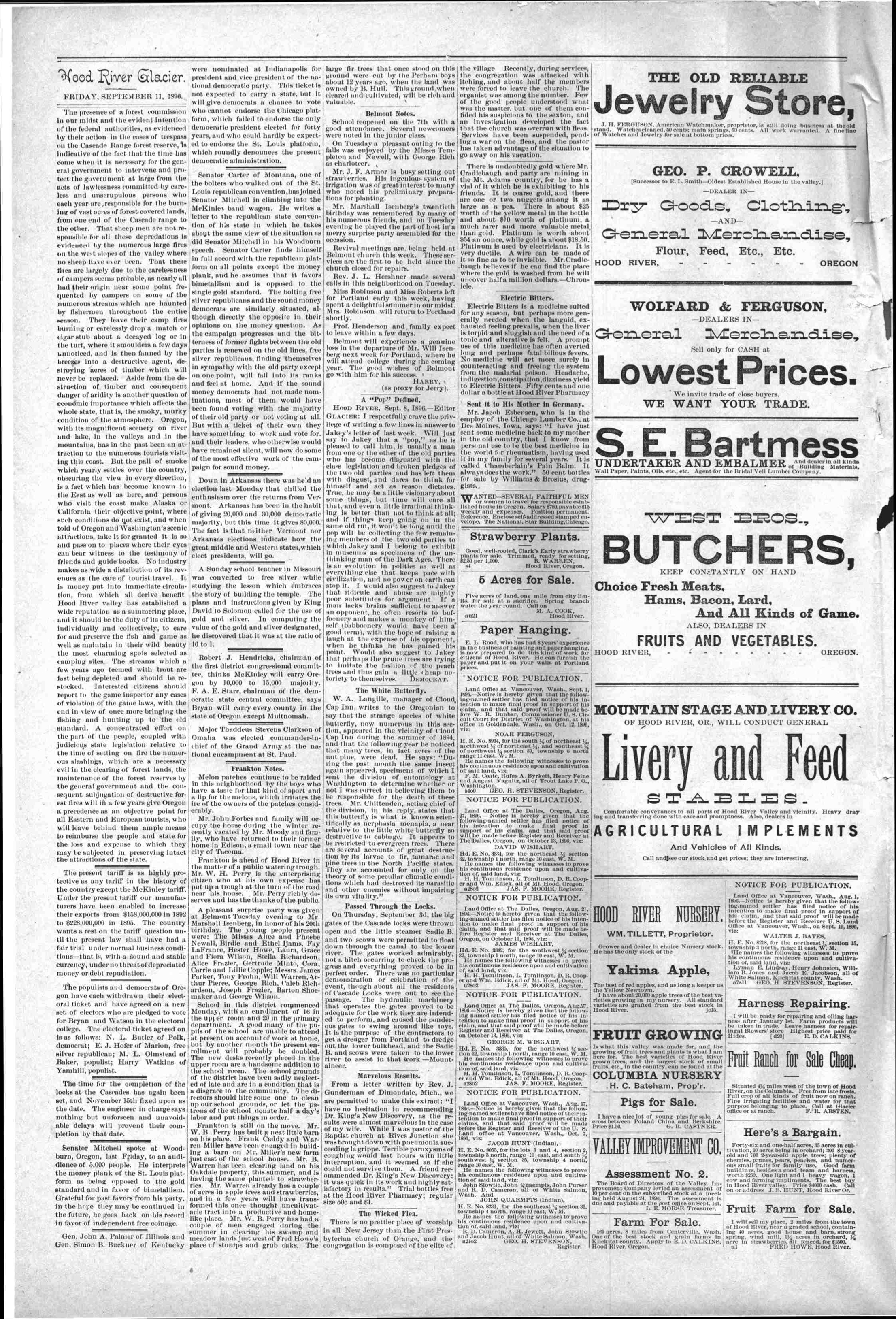
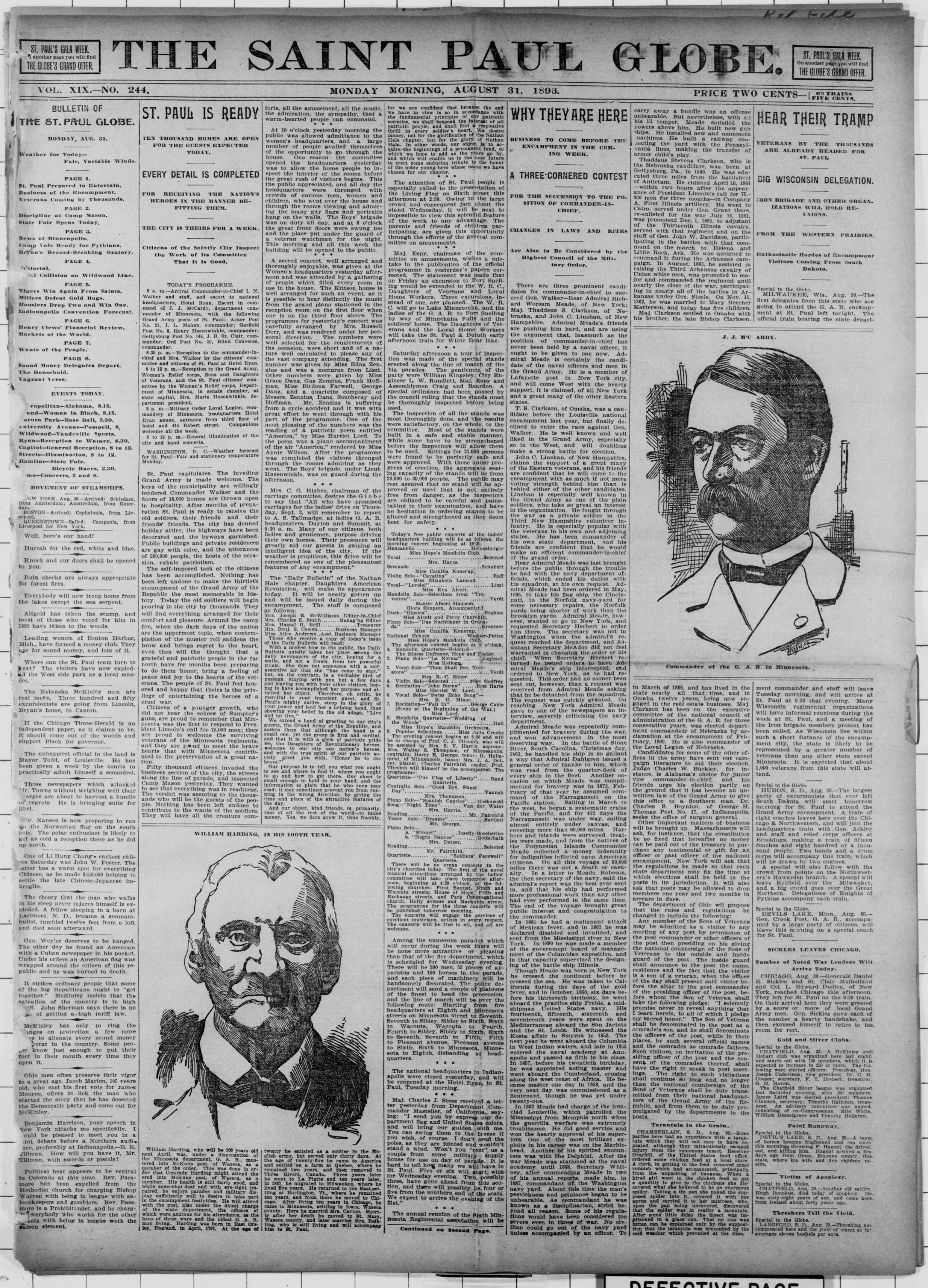
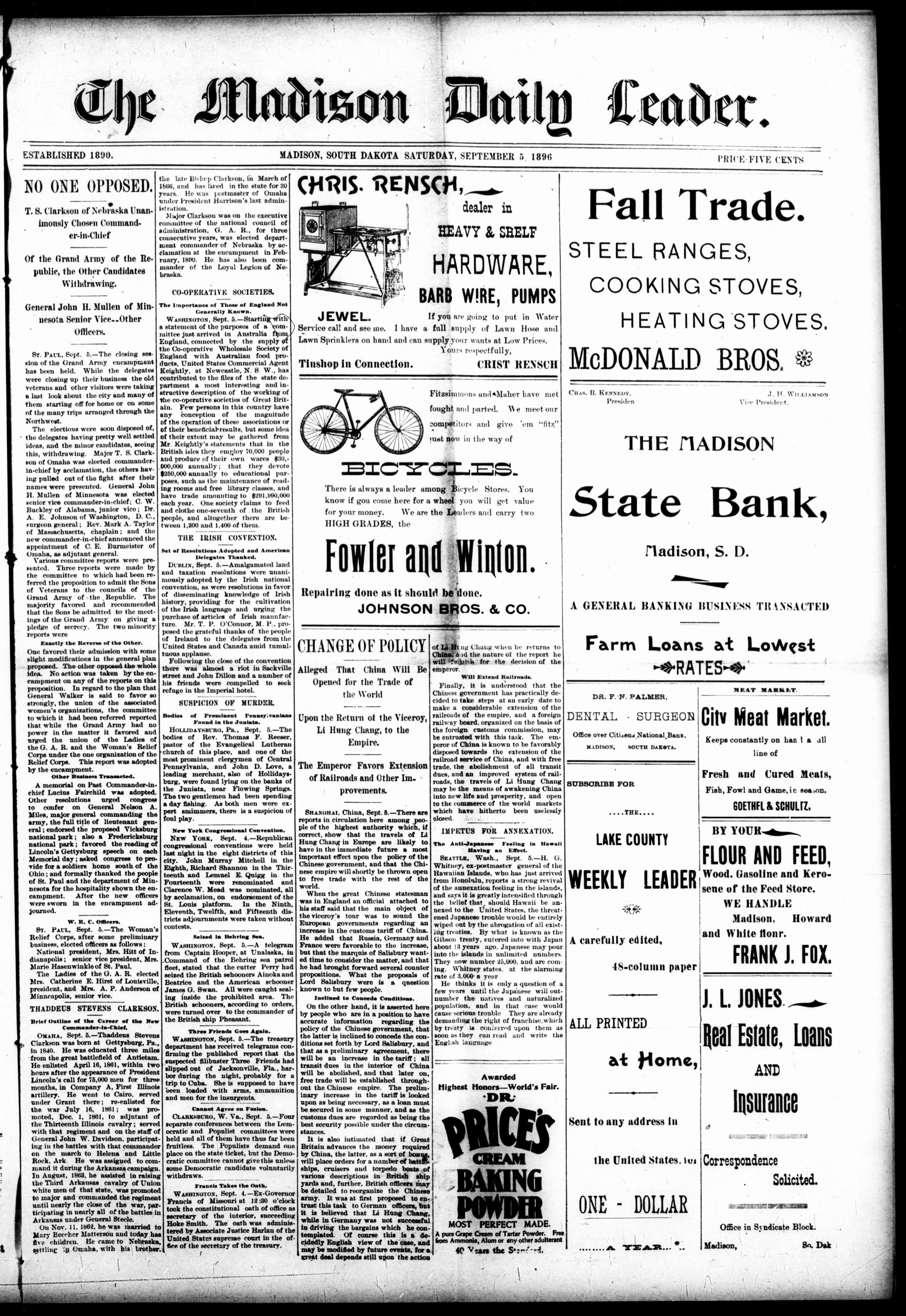
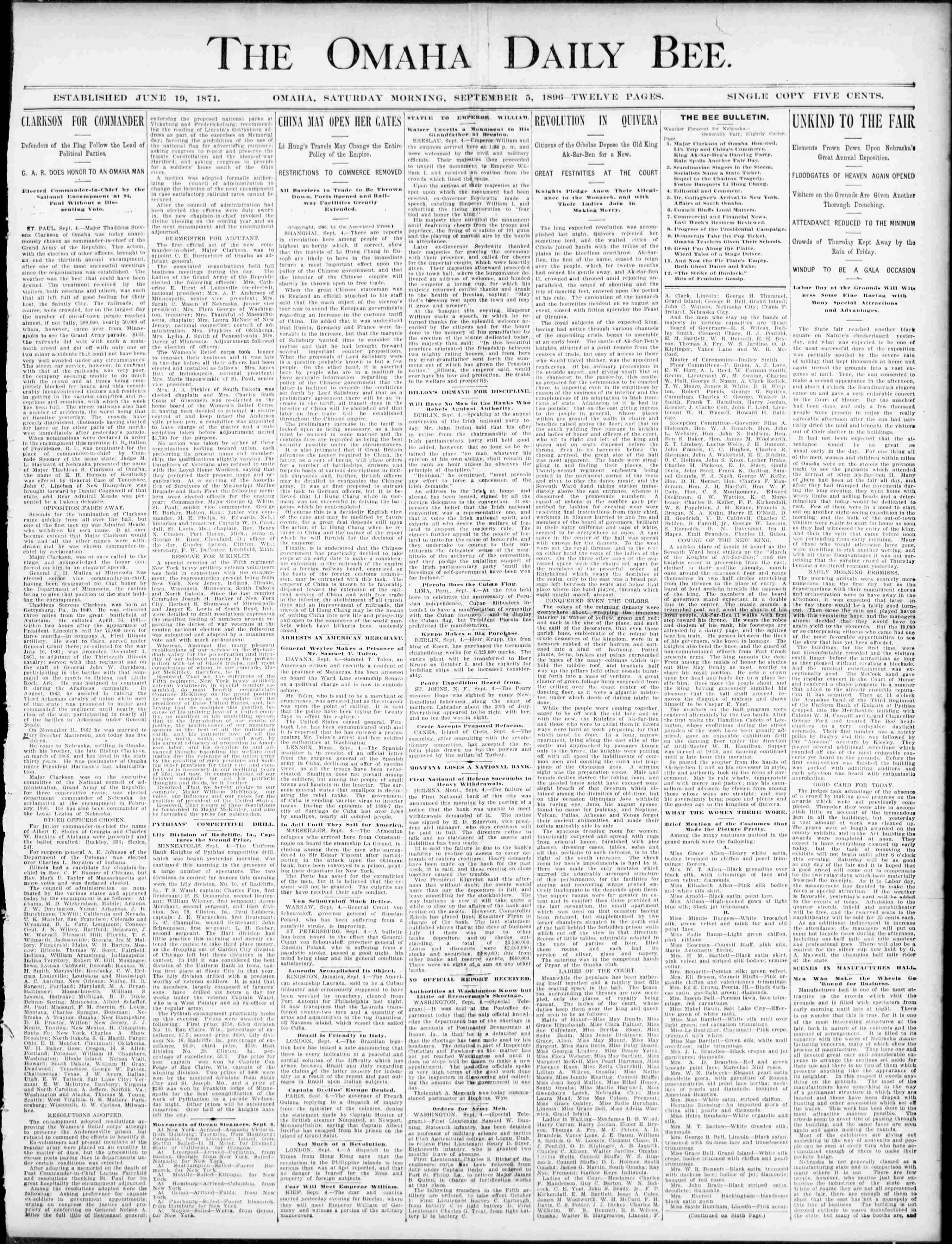
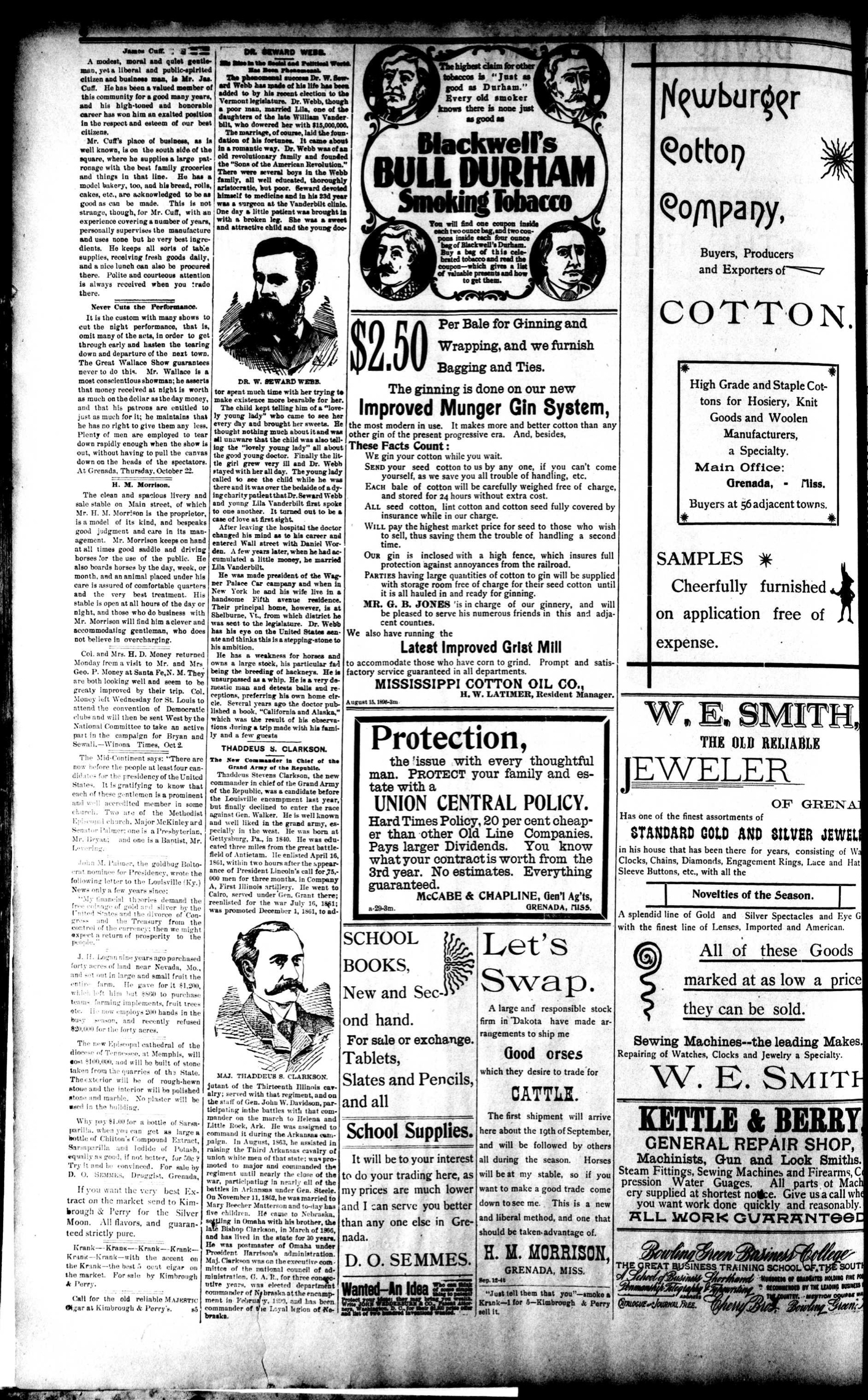
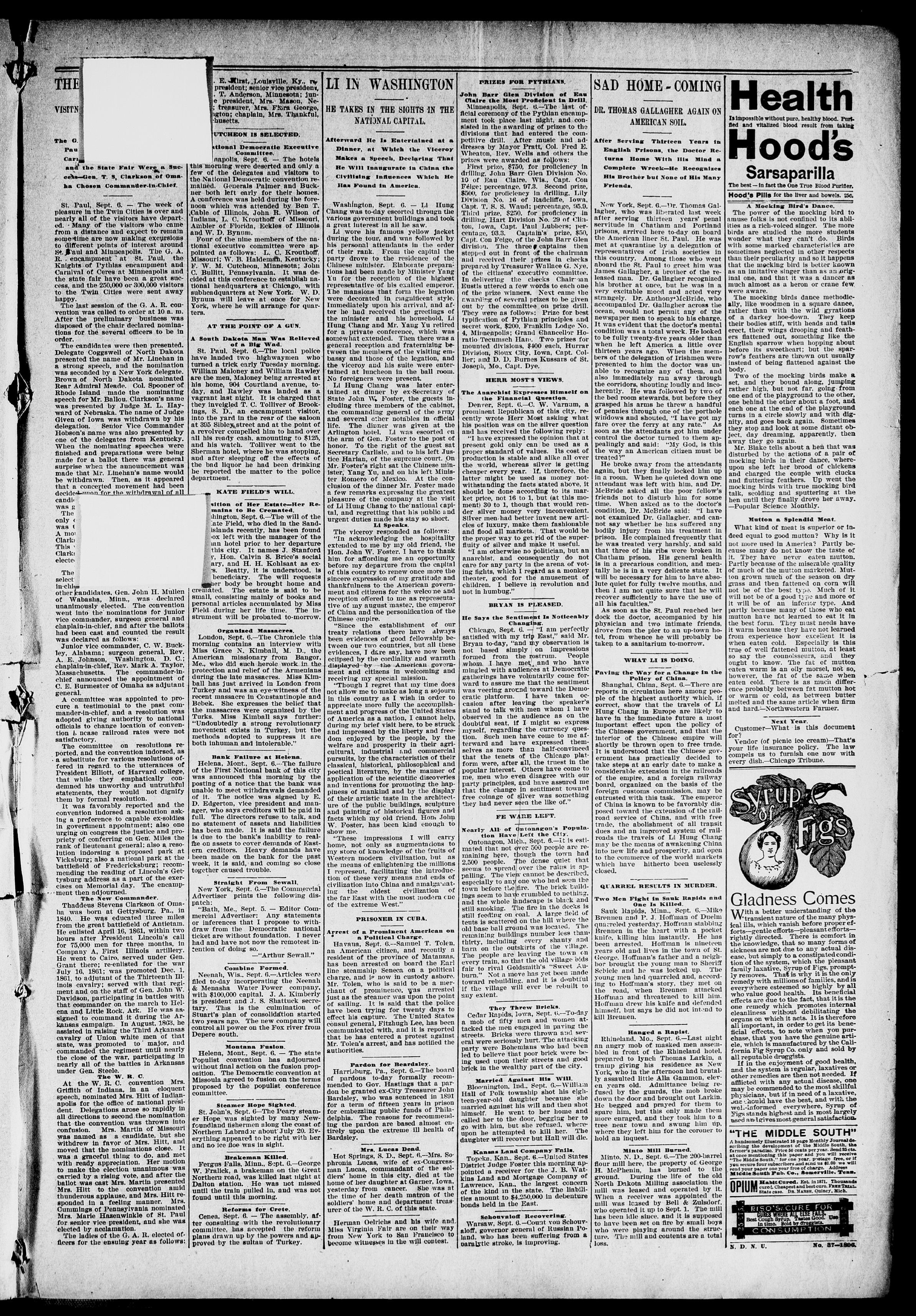
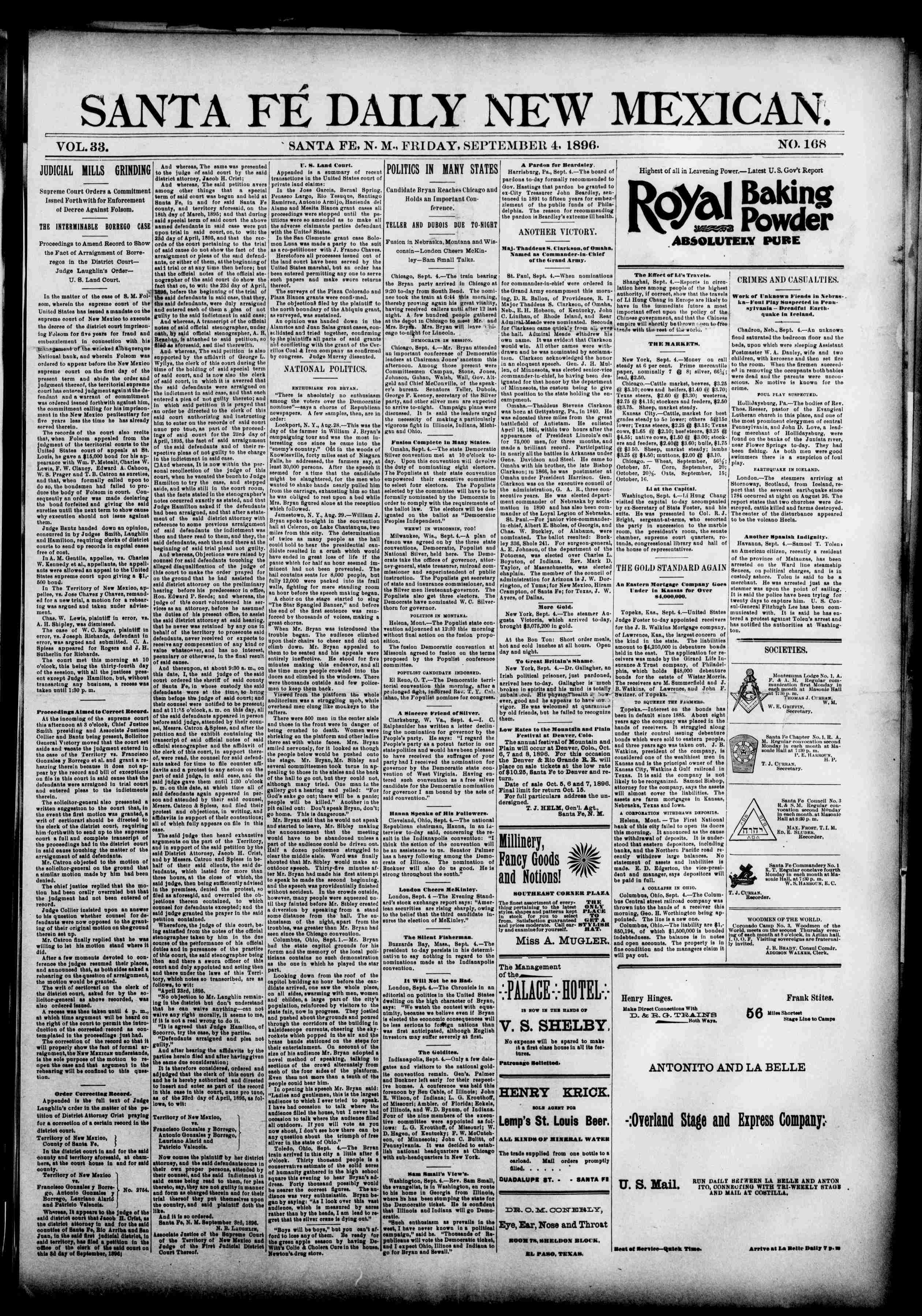
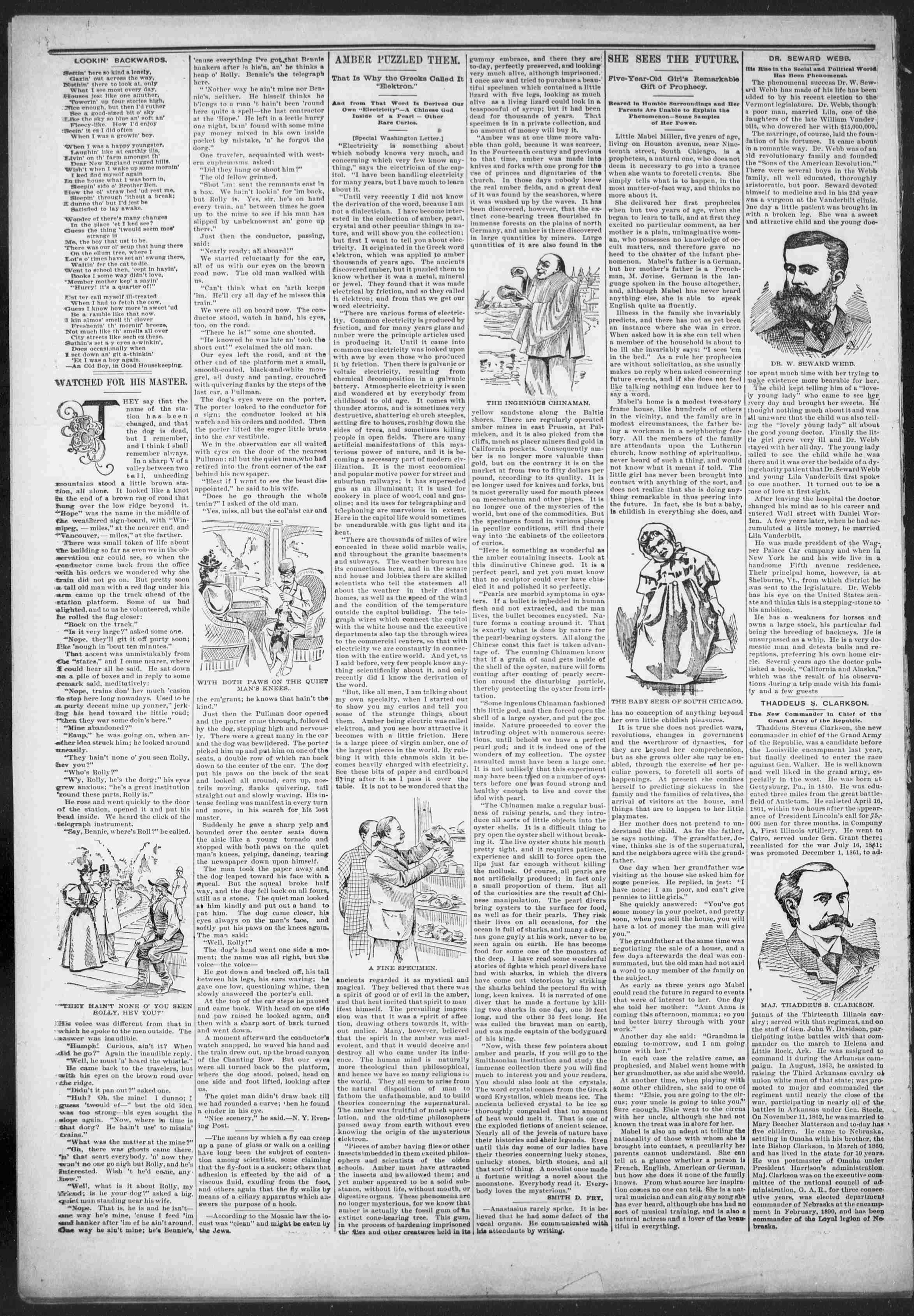
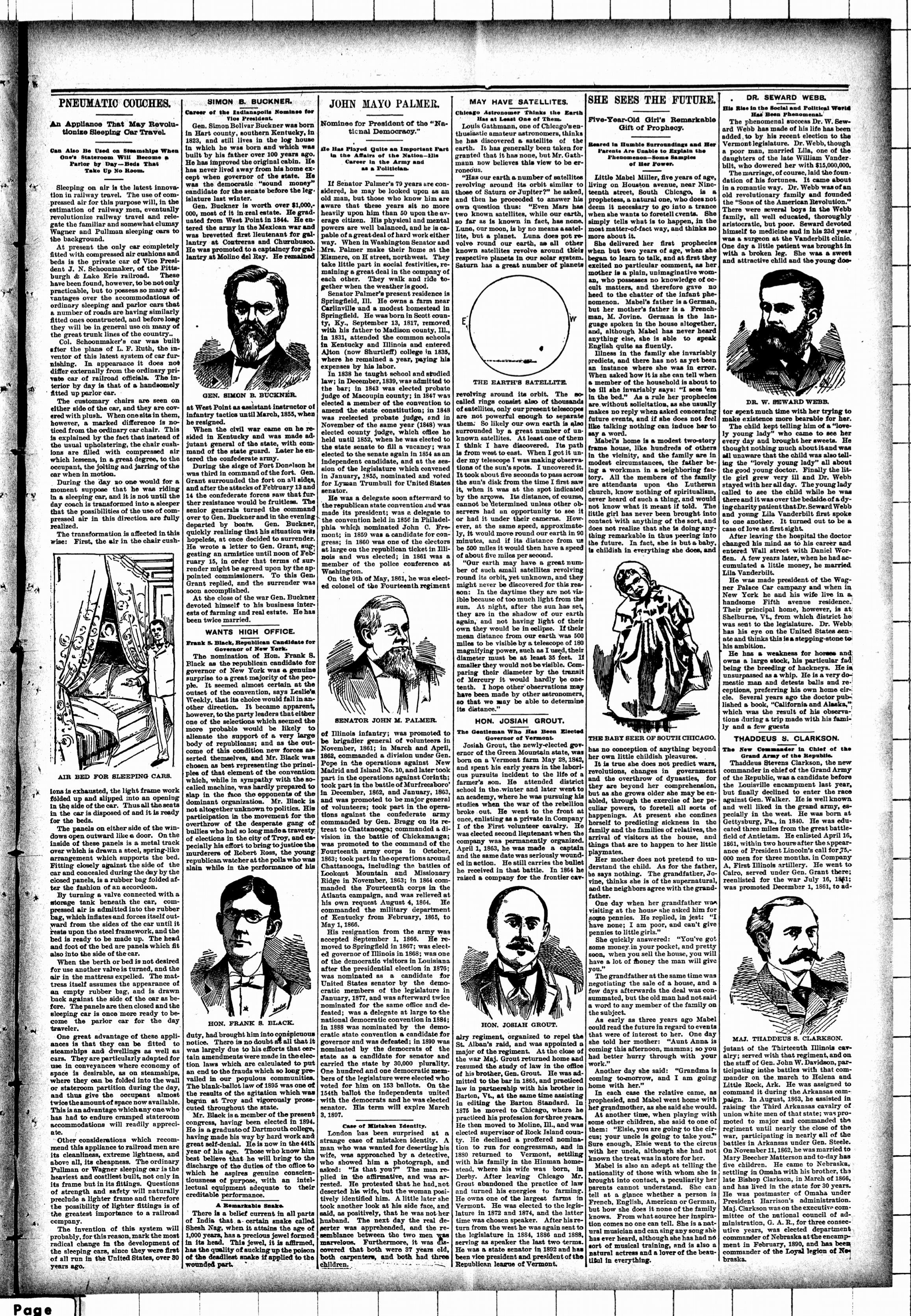
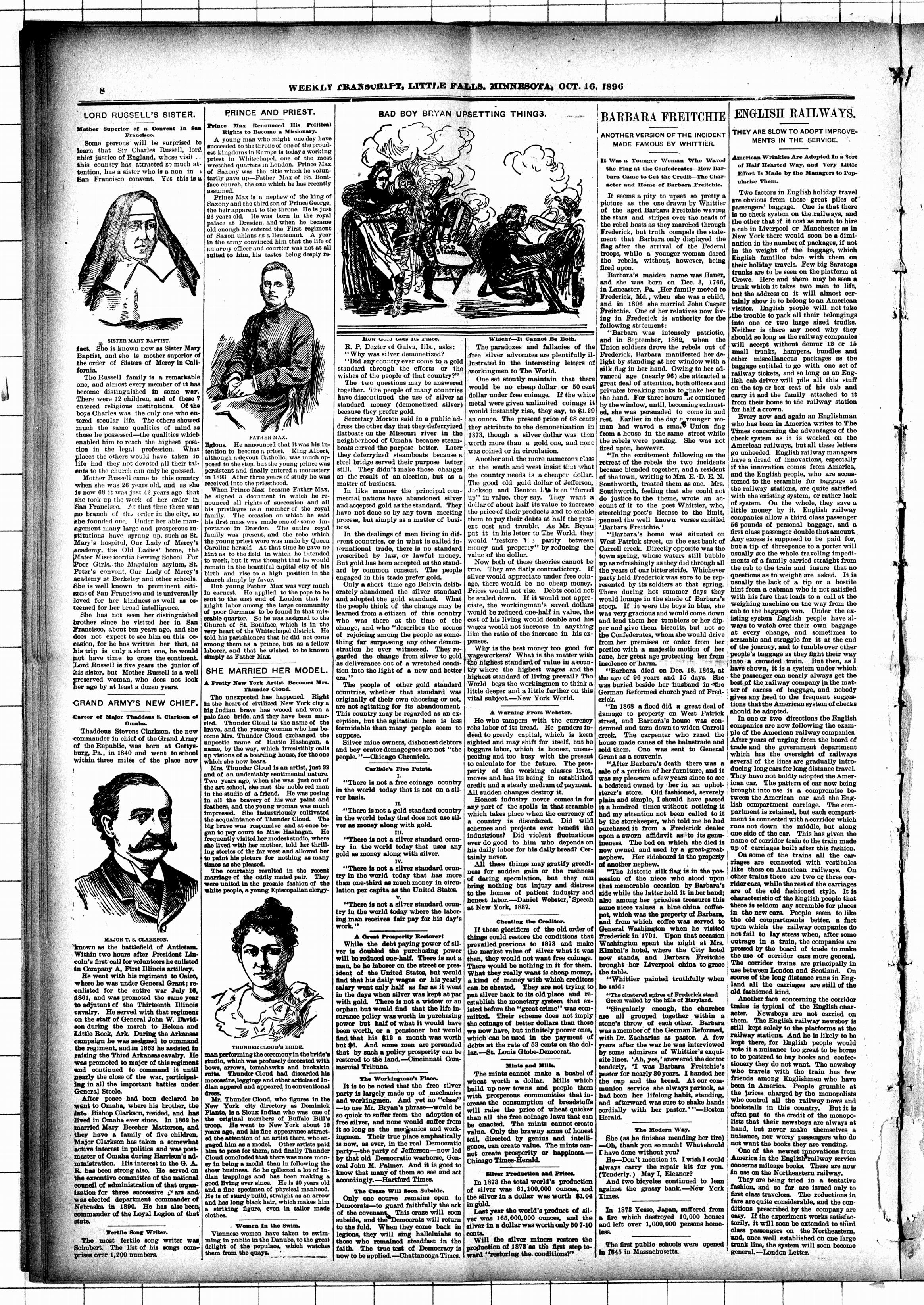
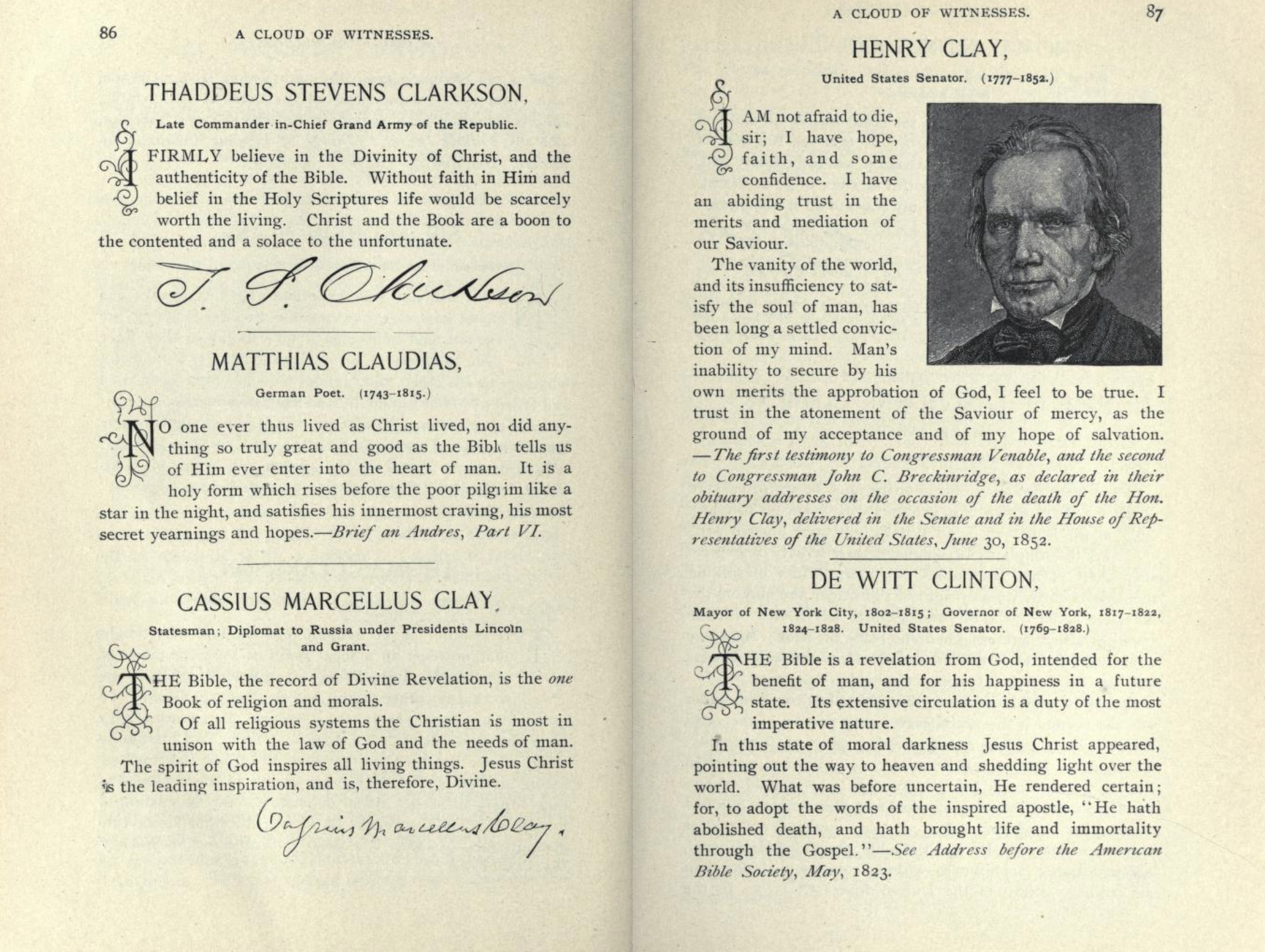
Thaddeus Stevens Clarkson (April 26, 1840 – January 16, 1915) was an American soldier who served in the Union Army during the American Civil War and as the 25th Commander-in-Chief of the Grand Army of the Republic, 1896-1897.
Early life and education:
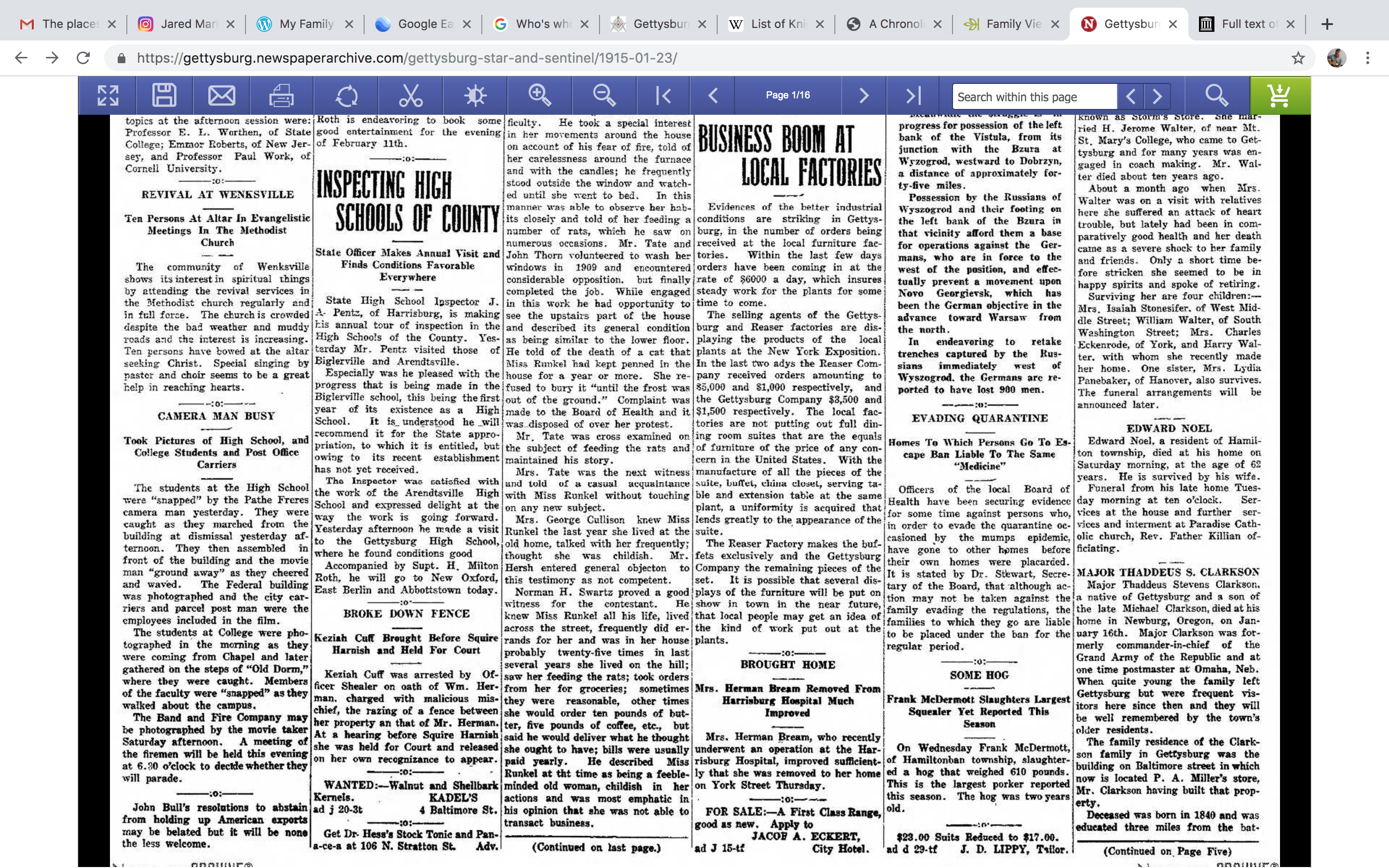
Clarkson was born April 26, 1840 in Gettysburg, Pennsylvania to Michael Cooke and Louisa Clarkson (née Harper). He was educated at St. James College in Hagerstown, Maryland. He moved with his family to Chicago, Illinois in 1857. In 1862, Clarkson married Mary Beecher Matteson; they had five children.
Military career:
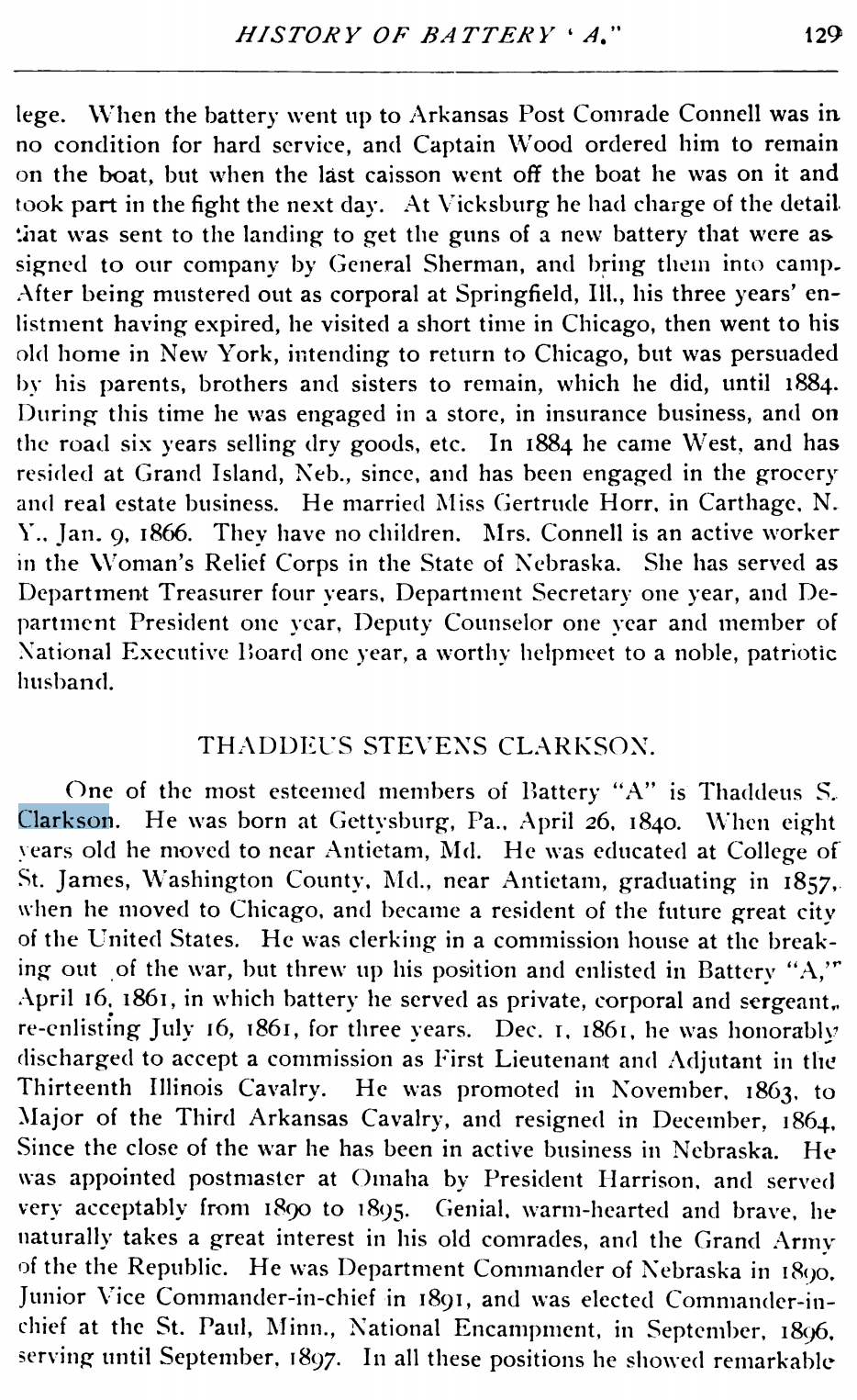
On April 16, 1861, Clarkson enlisted at Chicago as a private in Smith’s Independent Illinois Light Artillery. He was promoted to corporal on May 2, 1861 and to sergeant on July 16, 1861; he mustered out with the battery on the same date. The battery was reorganized and he reenlisted the same day as a private in Battery A, 1st Illinois Light Artillery and mustered out November 27, 1861 at Pilot Knob, Missouri.
Clarkson subsequently transferred to the 13th Illinois Cavalry on December 31, 1861, to accept a commission as a first lieutenant, where he was assigned to serve as adjutant for the regiment. Clarkson was then appointed to the staff of Brig. Gen. John W. Davidson. He rose through the ranks and was promoted to major on December 14, 1863, the same day that he was mustered out of the regiment. The following day, he began service with the 3rd Arkansas Cavalry, a regiment he helped raise and commanded until the end of the war. He mustered out of the service on September 10, 1864.
Post-war:
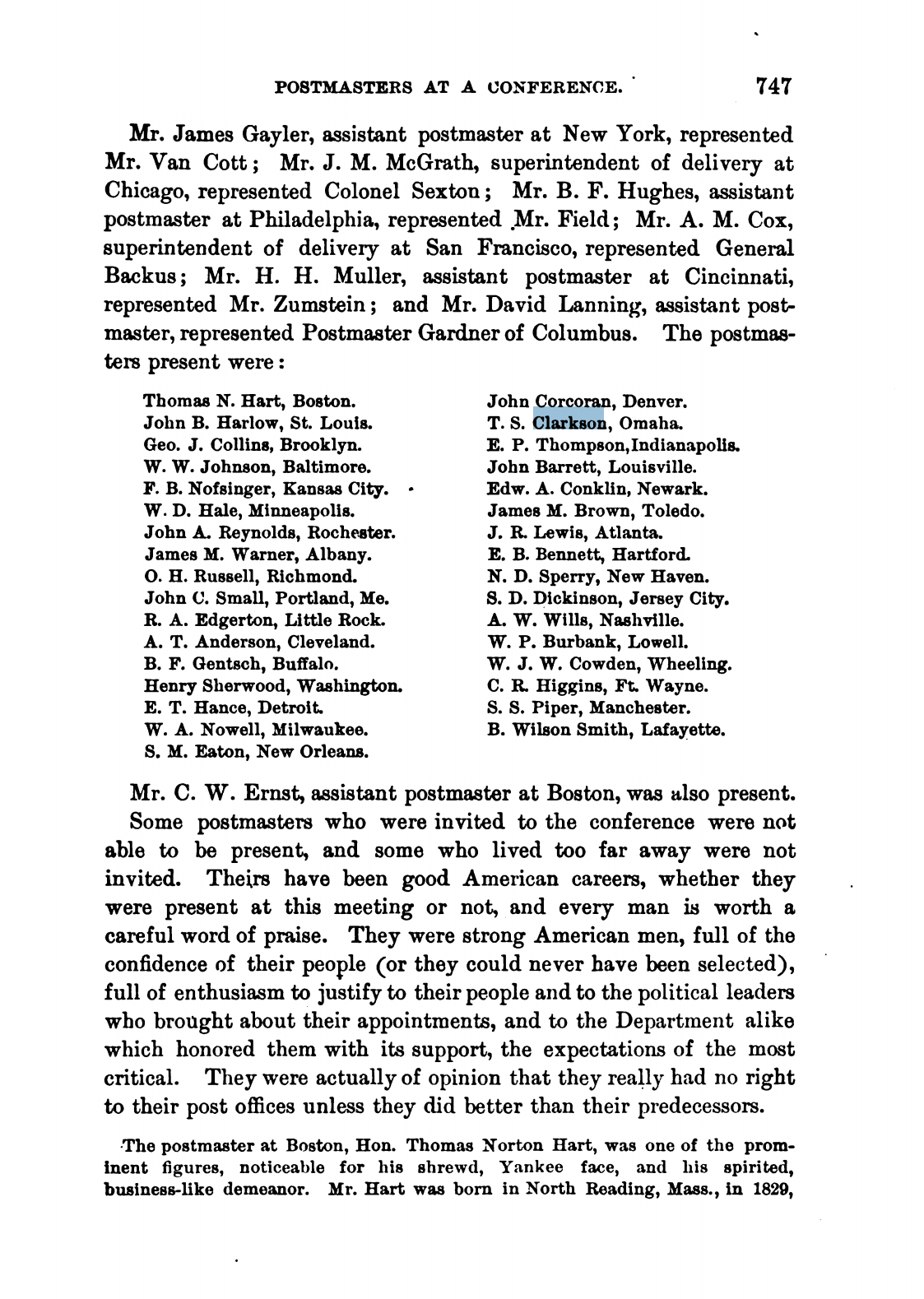
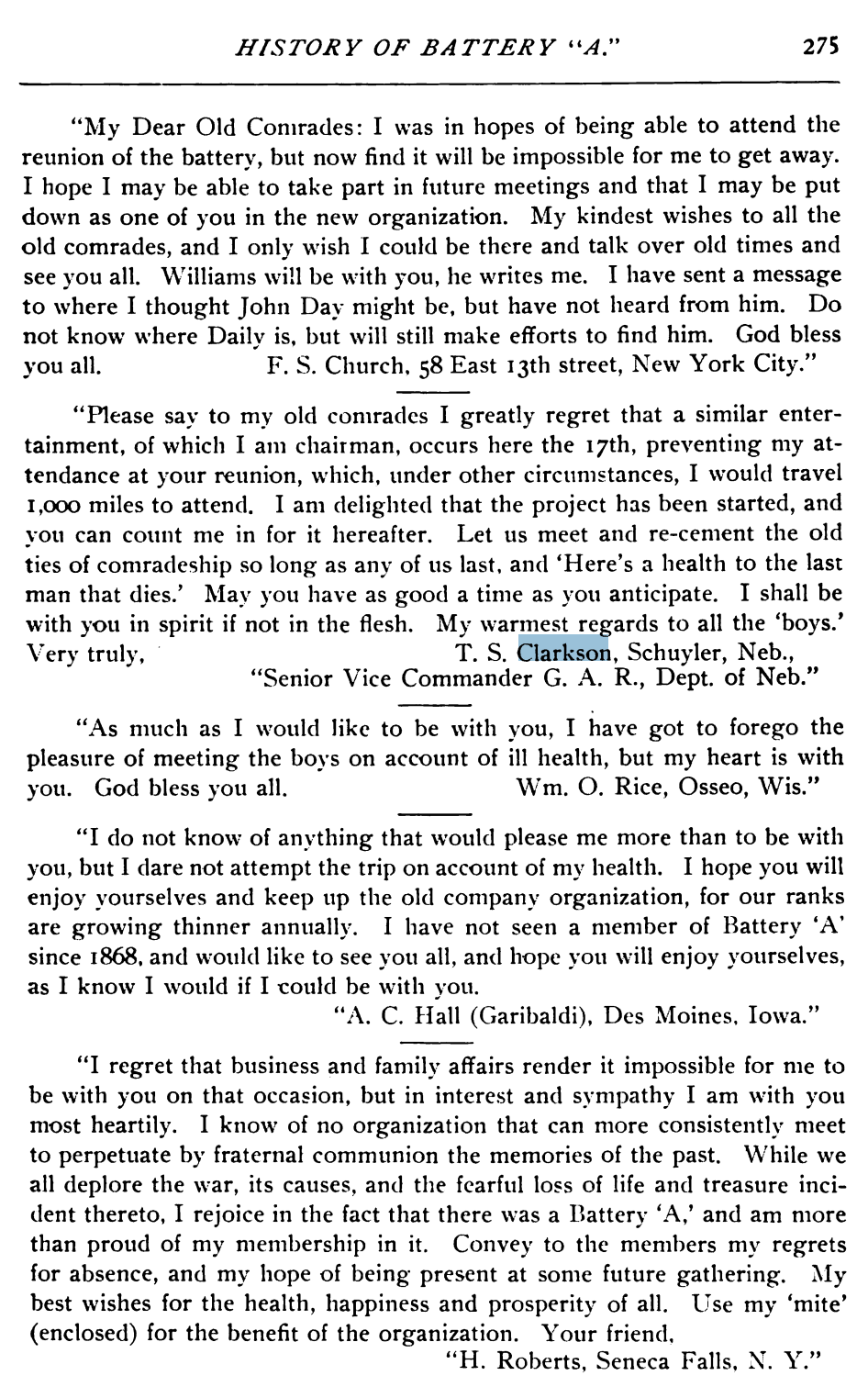
In March 1866 Clarkson settled in Nebraska with his family and became postmaster in Omaha. He became active with the G.A.R., serving as Commander of the Department of Nebraska in 1890, Junior Vice Commander-in-Chief of the G.A.R. in 1892, and finally as Commander-in-Chief of the G.A.R., 1896-1897. He was elected May 23, 1898 as general manager of the Trans-Mississippi International Exposition.
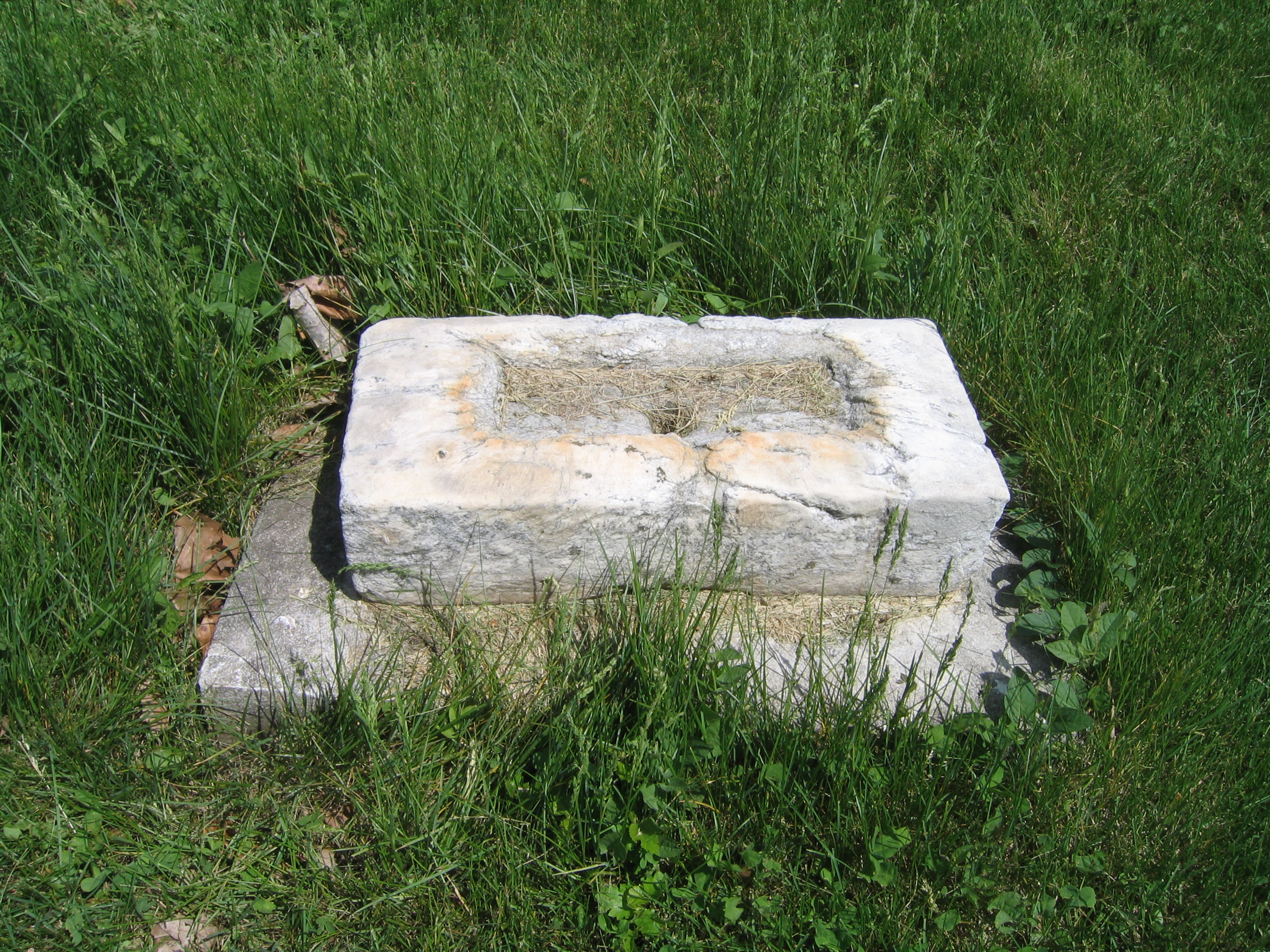
Clarkson died January 16, 1915 in Newberg, Oregon. He is buried in Omaha at Prospect Hill Cemetery, where his headstone is missing.
Story of Our Post Office: The Greatest Government Department in All Its Phases
By Marshall Henry Cushing – Published in 1893
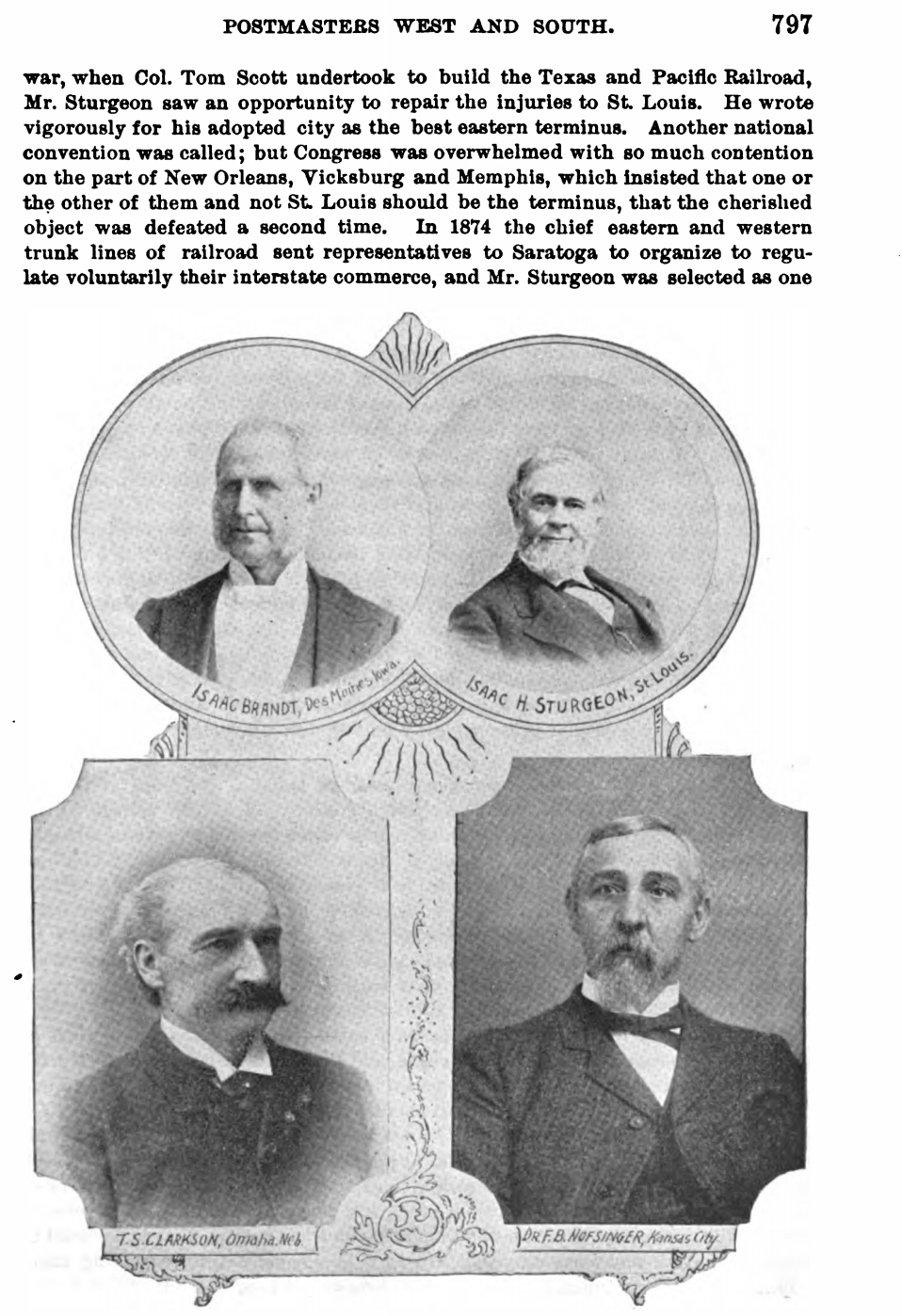
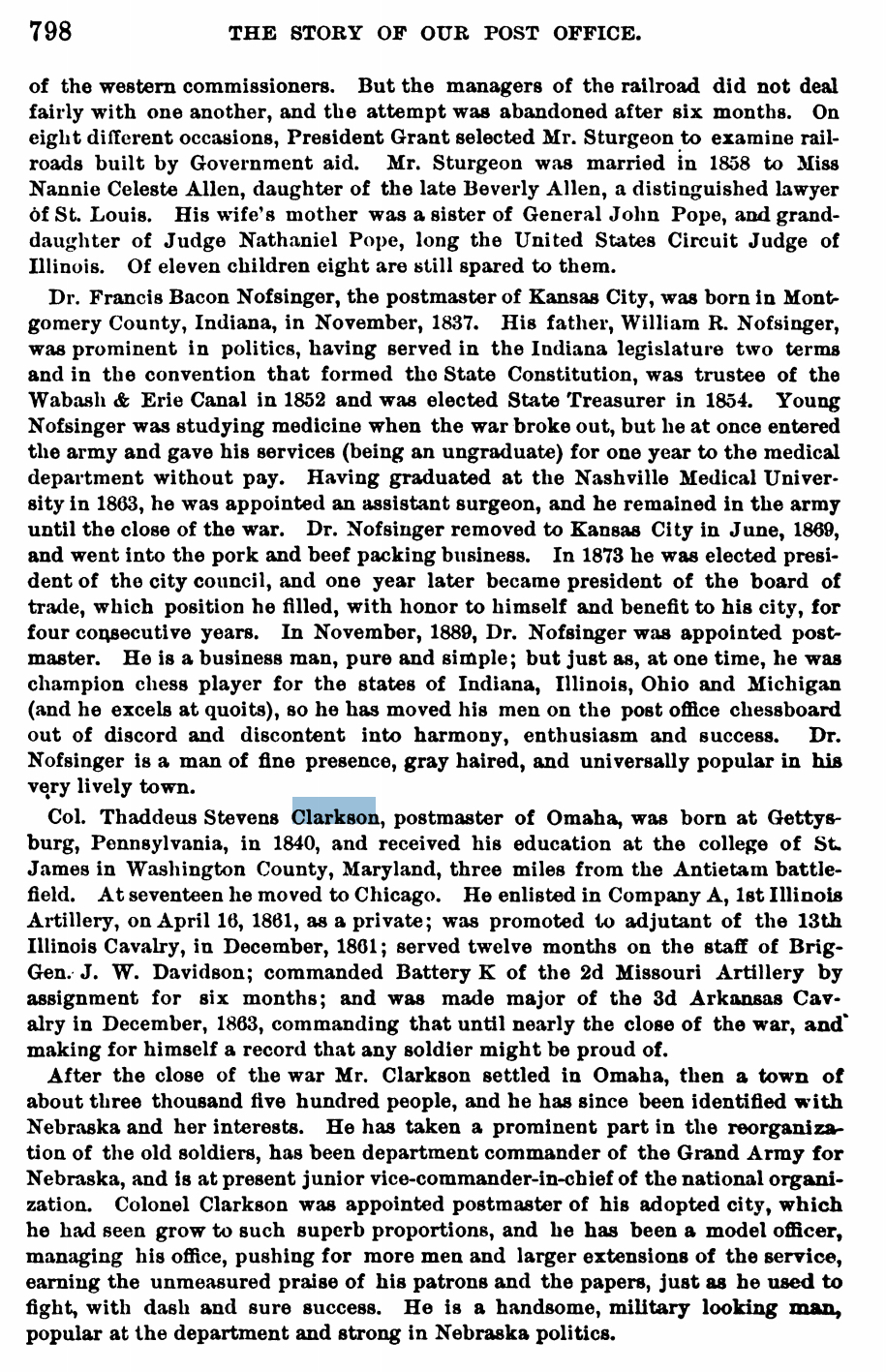
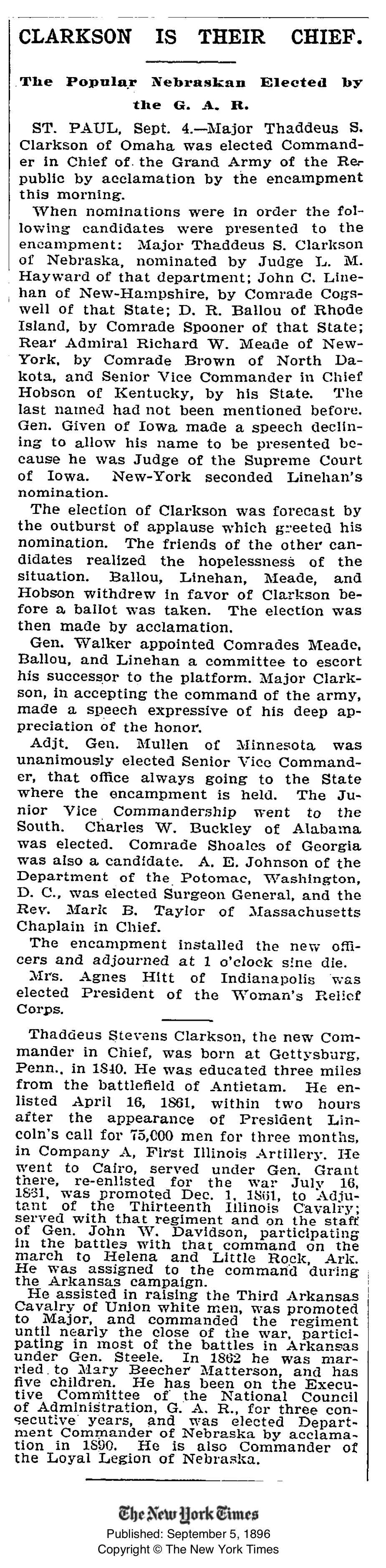
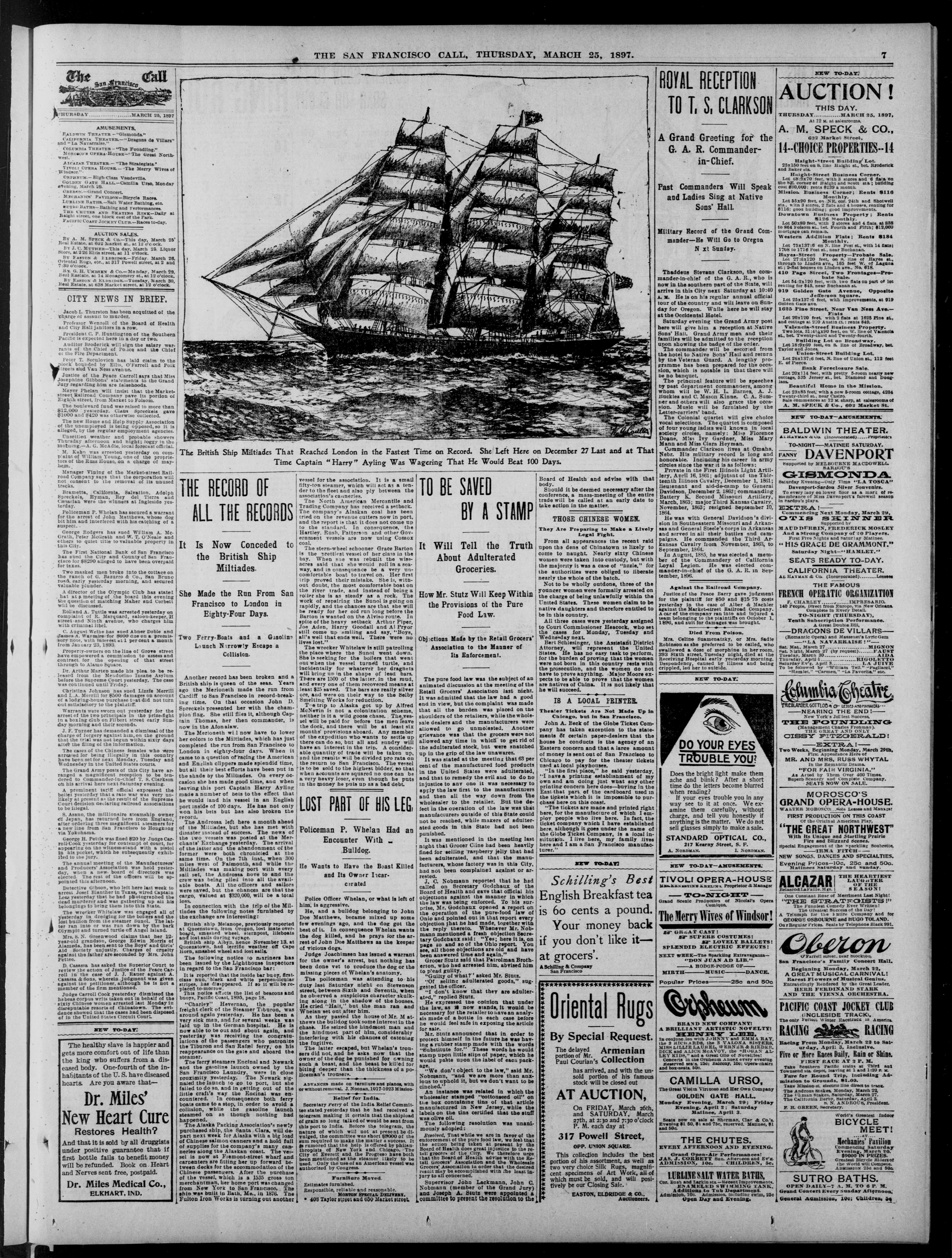
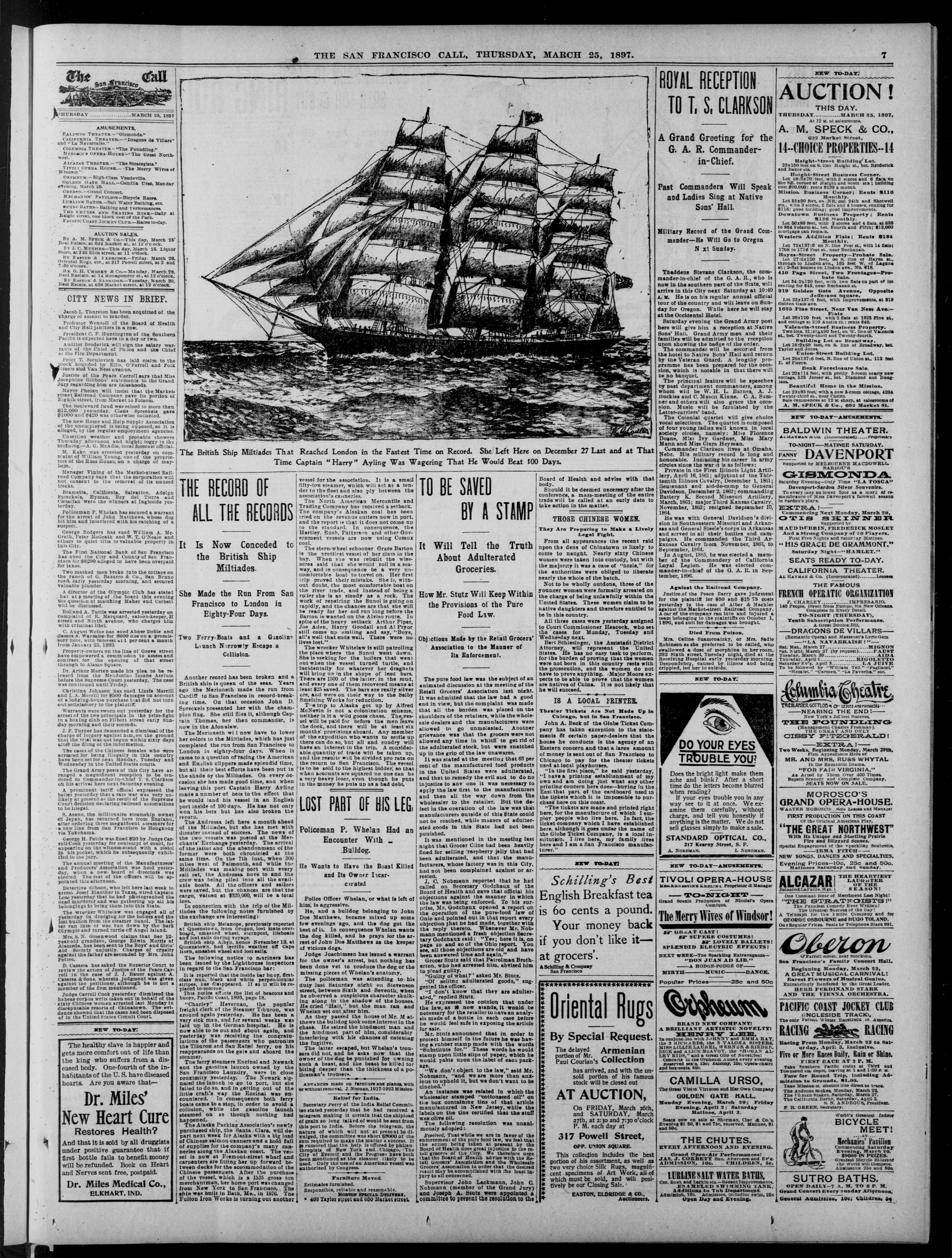
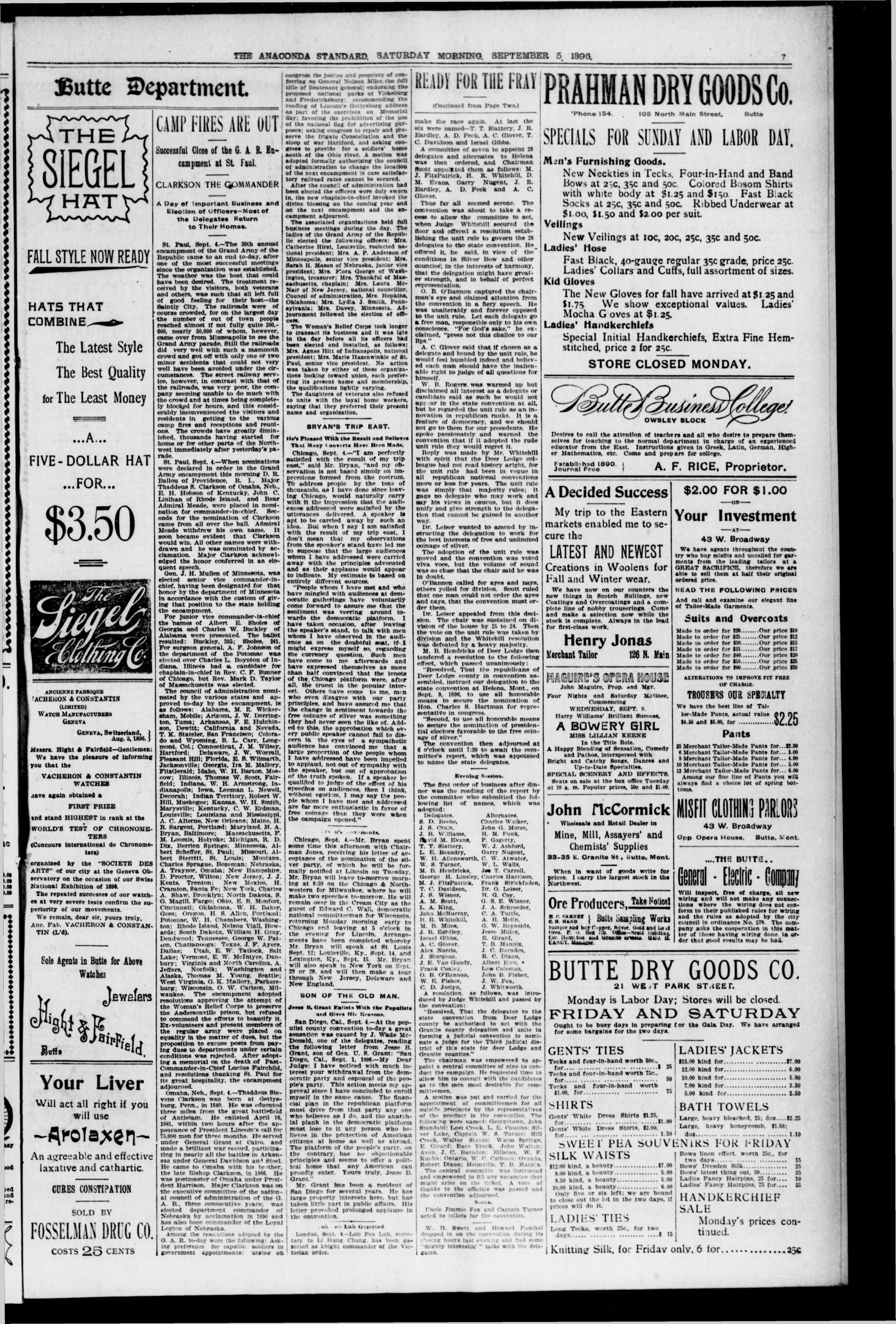
San Francisco Call, Volume 81, Number 115, 25 March 1897
Proceedings of The 59th Encampment (31st Annual) Of The Department Of Pennsylvania – Grand Army Of The Republic At Johnstown, June 3 and 4, 1897
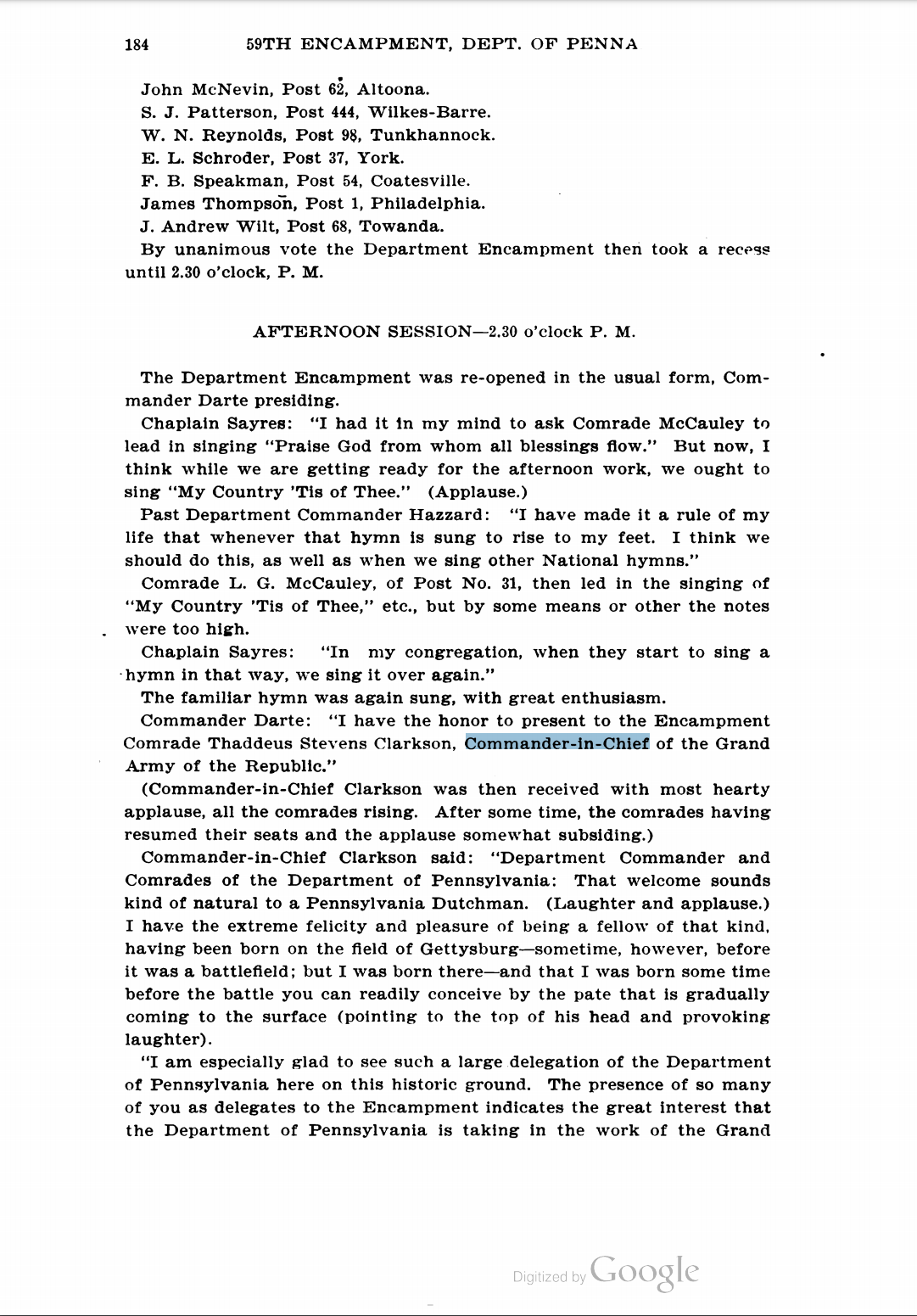
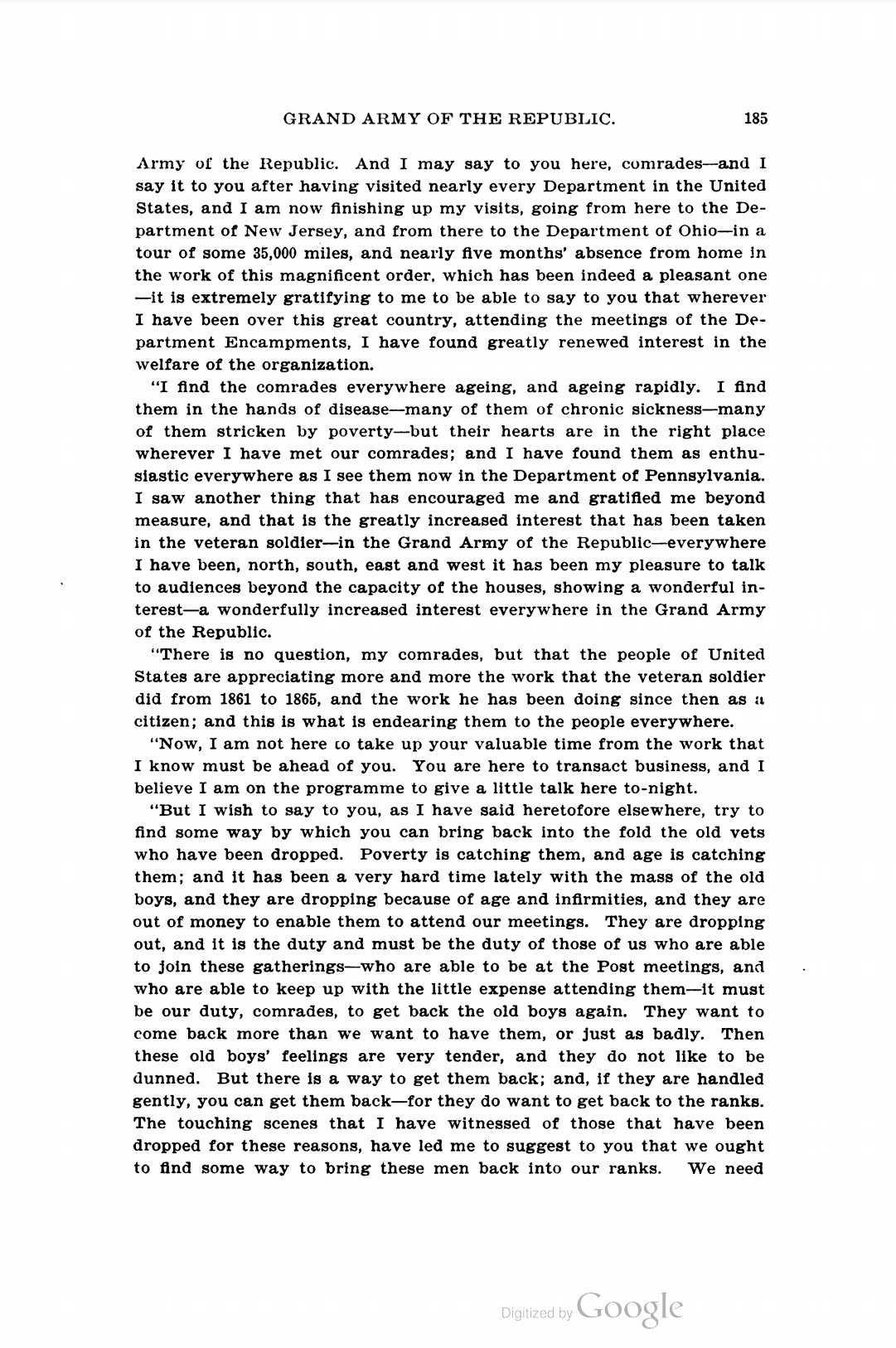
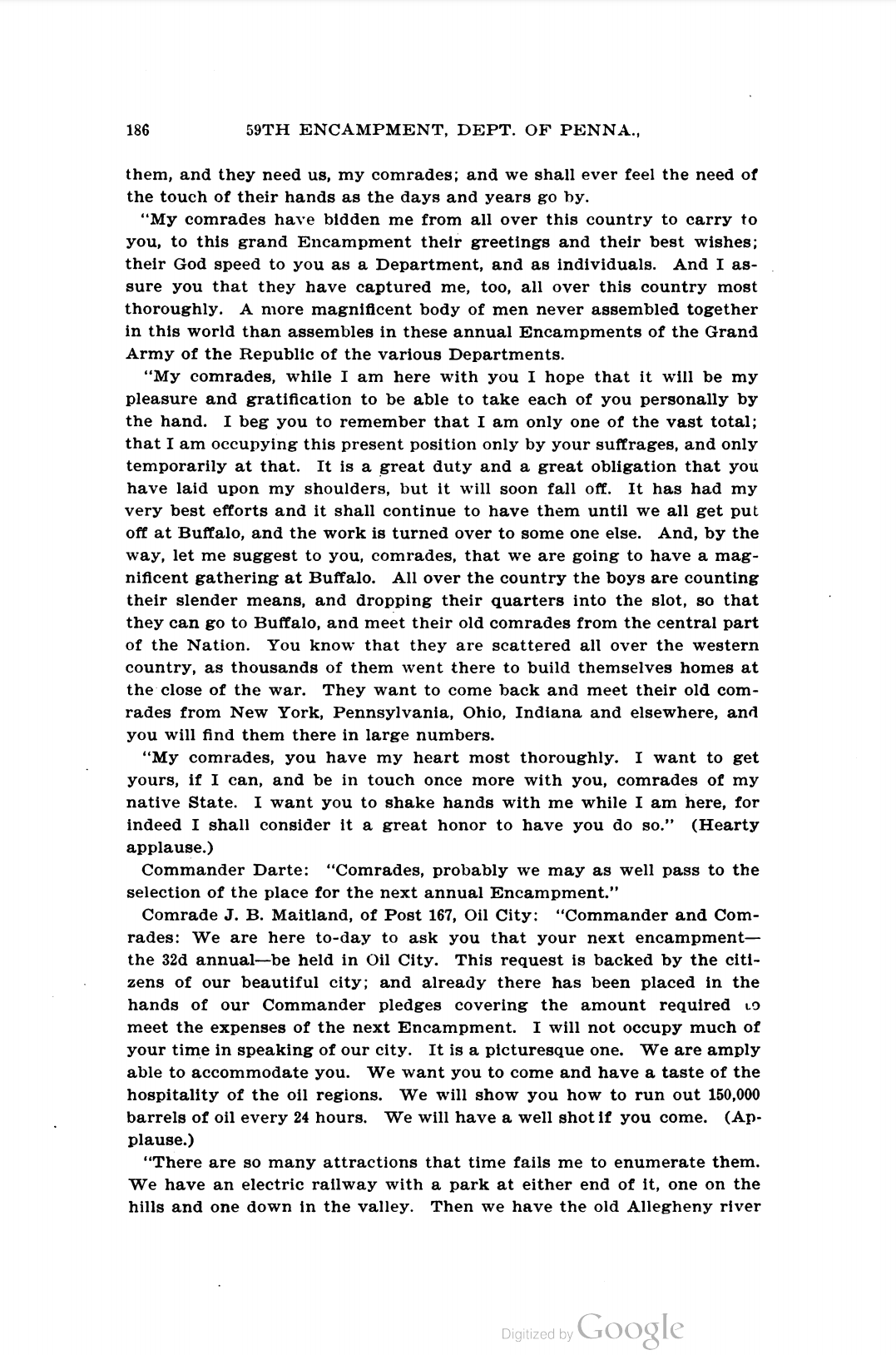
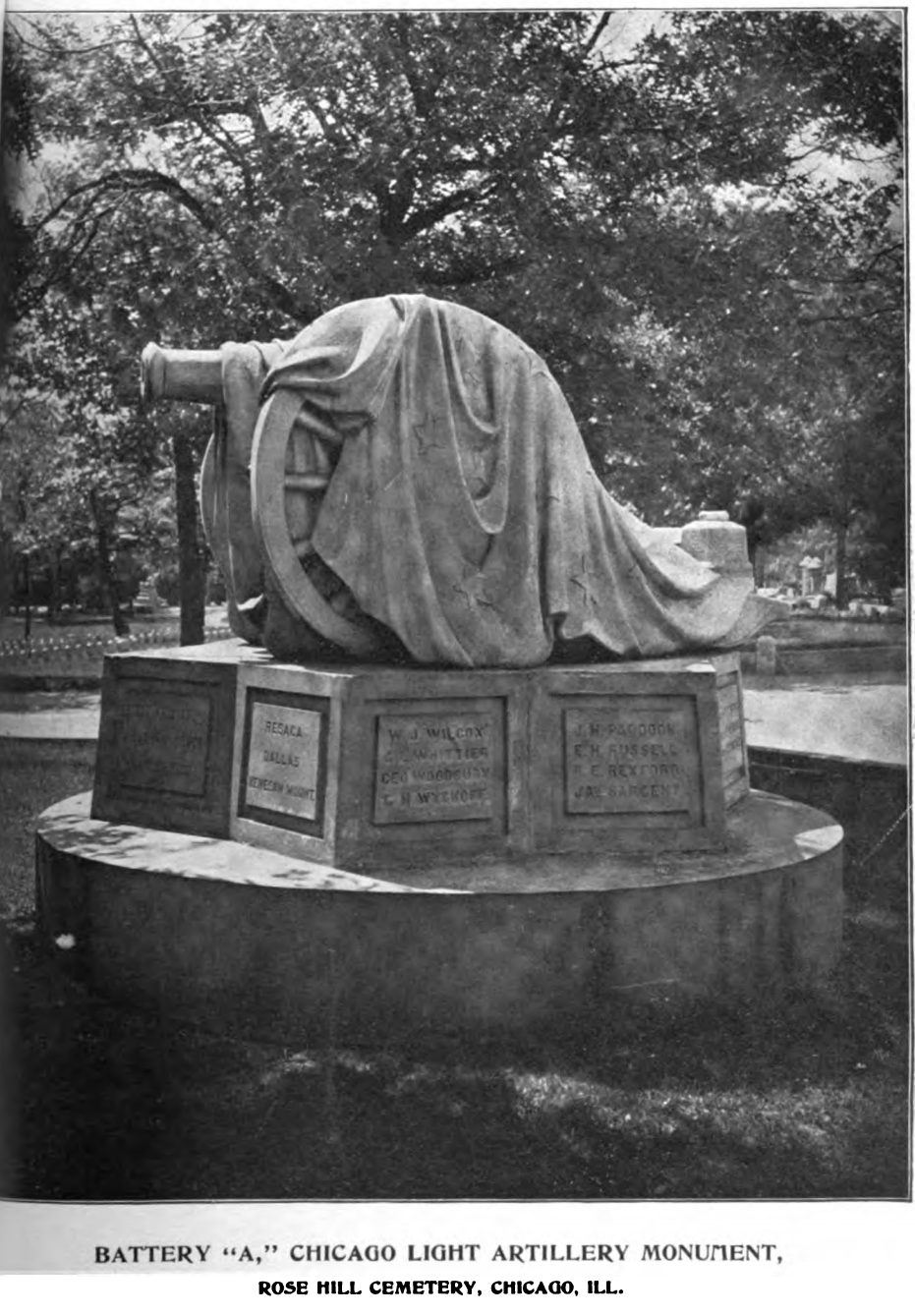
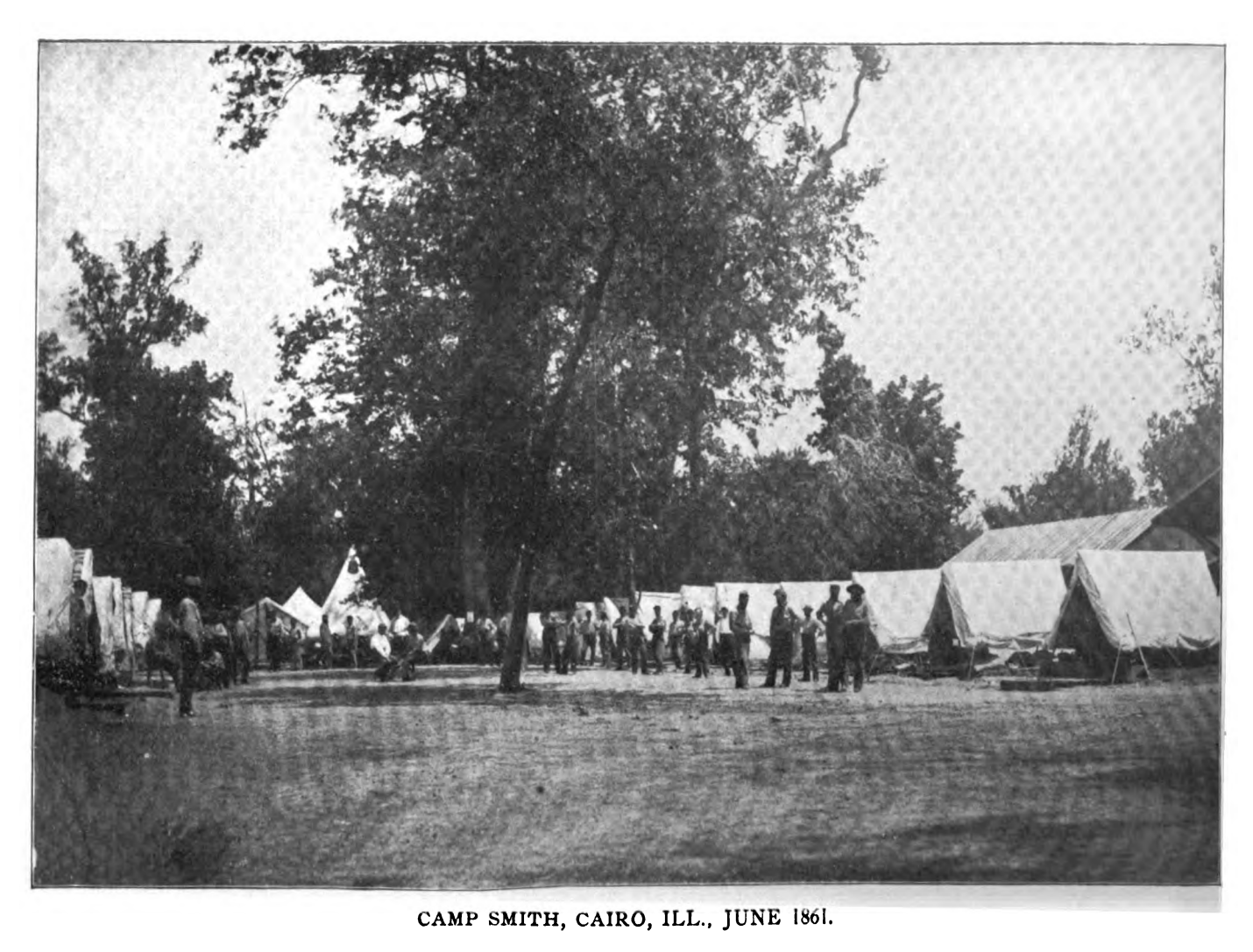
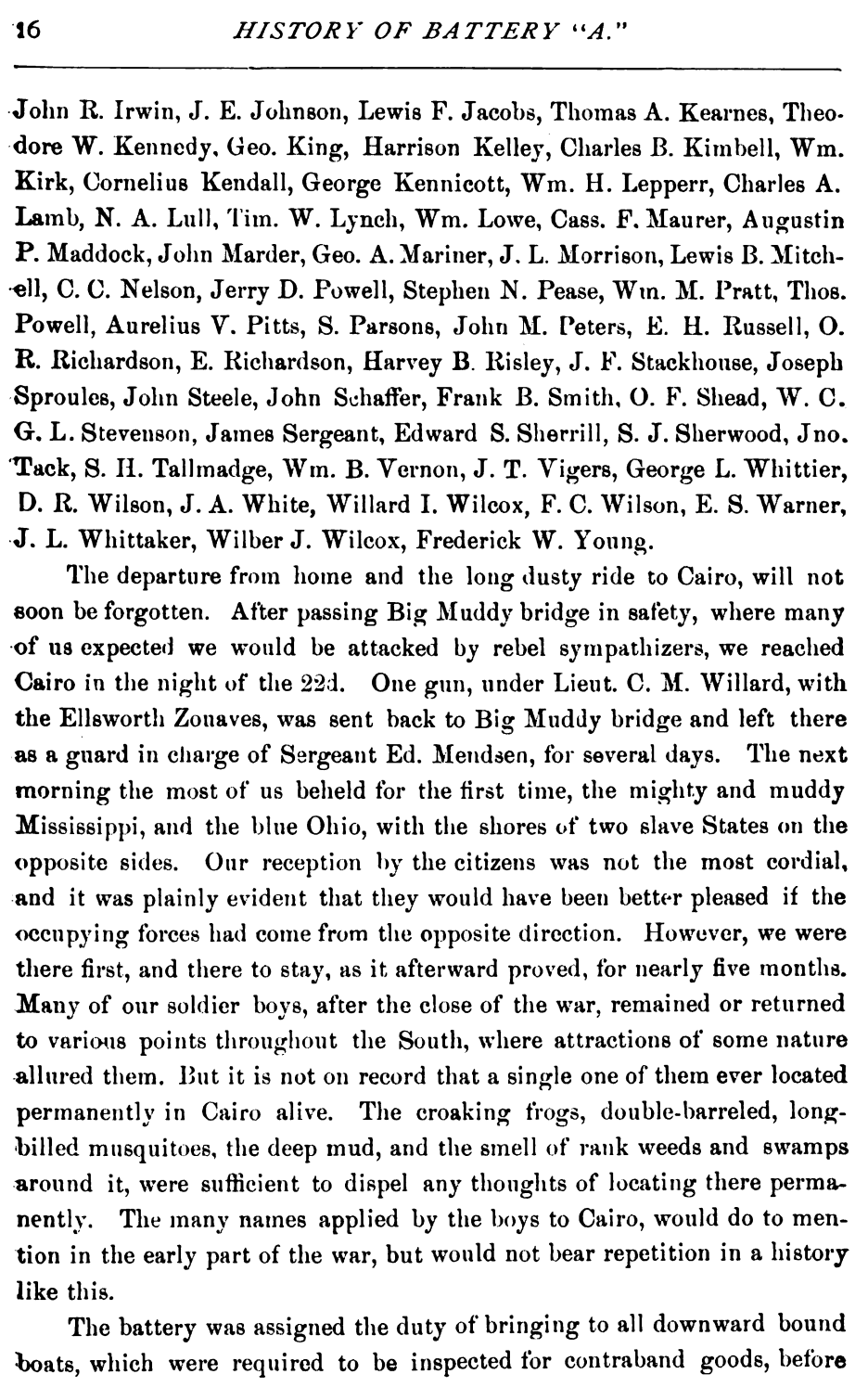
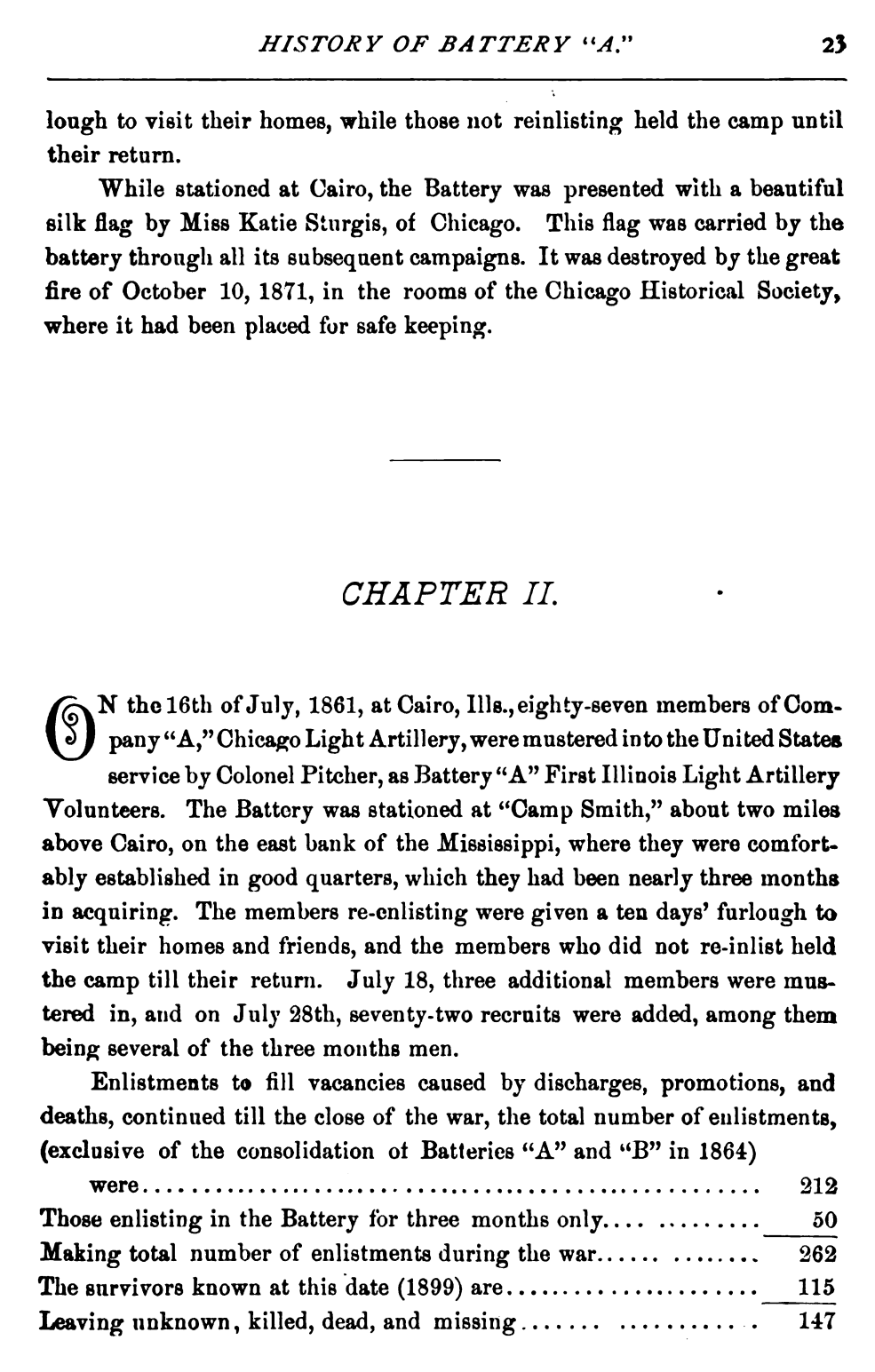
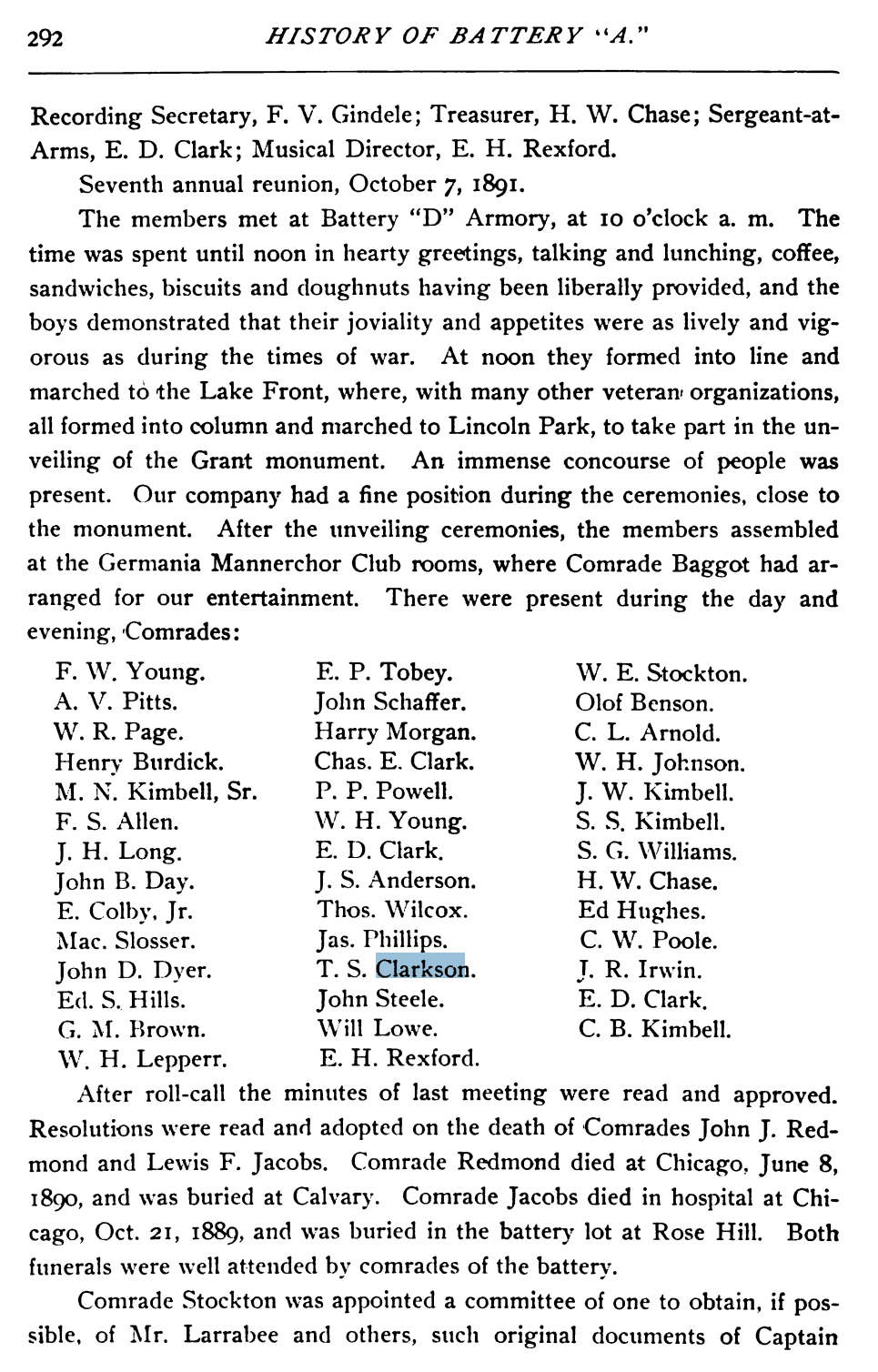
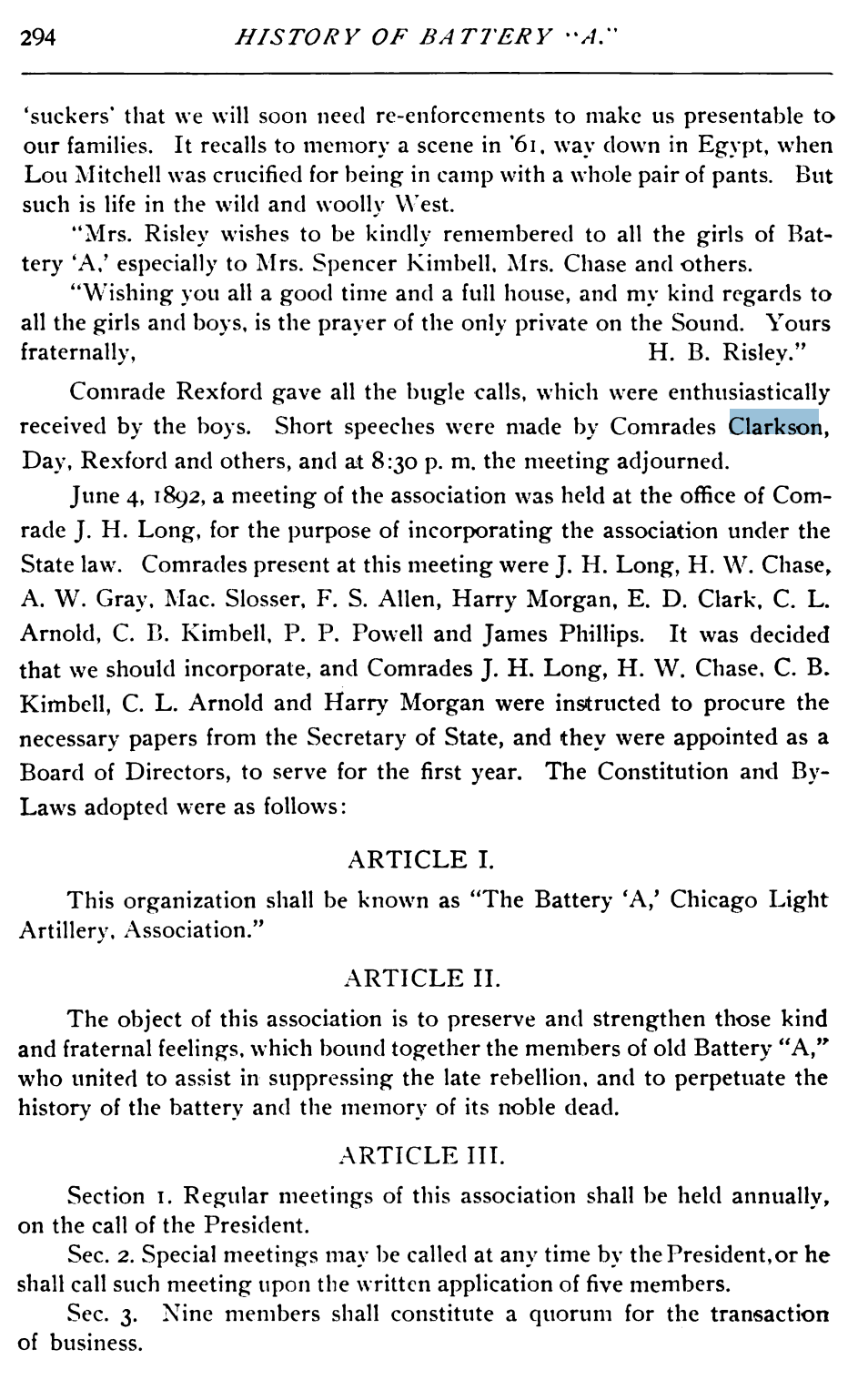
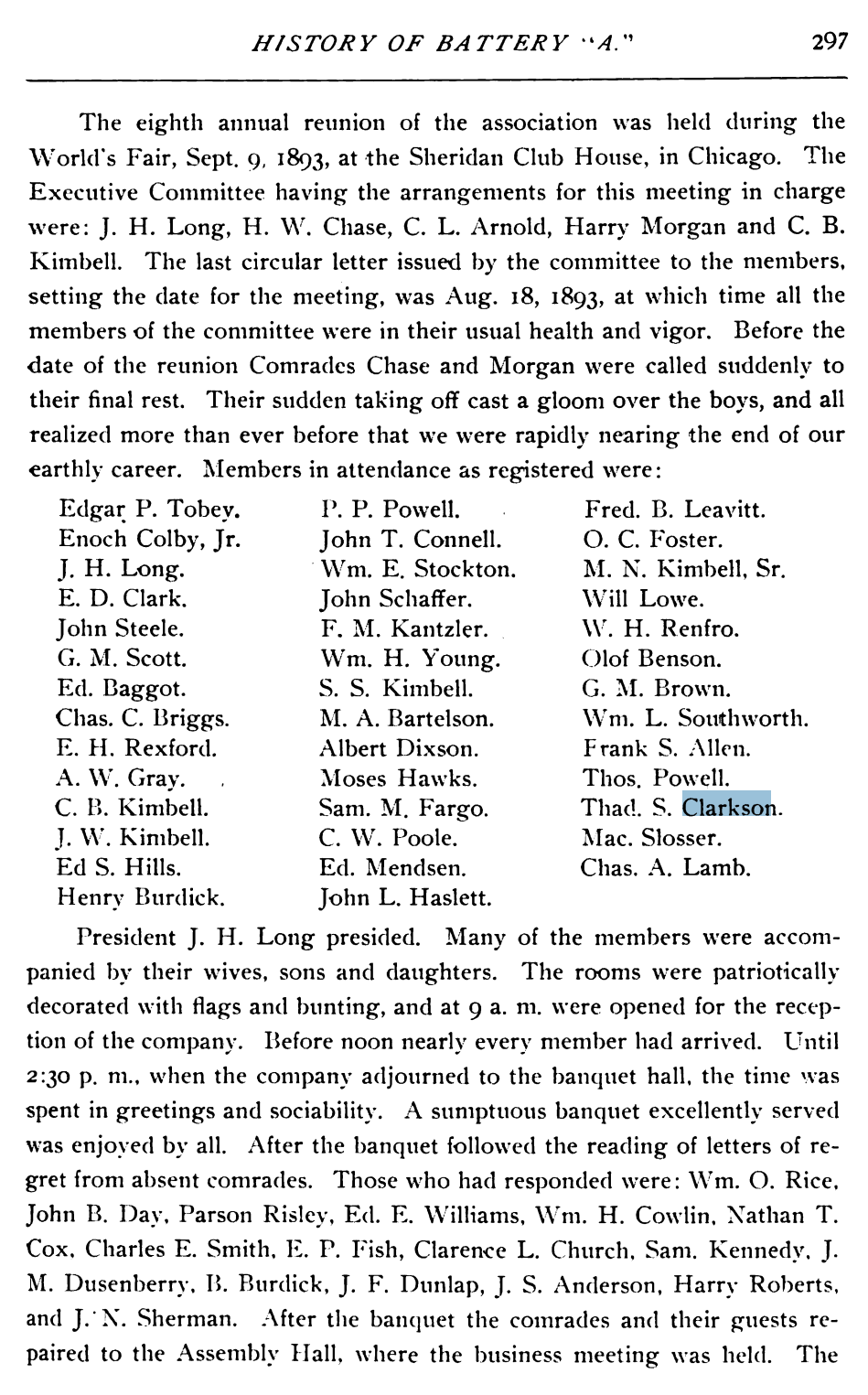
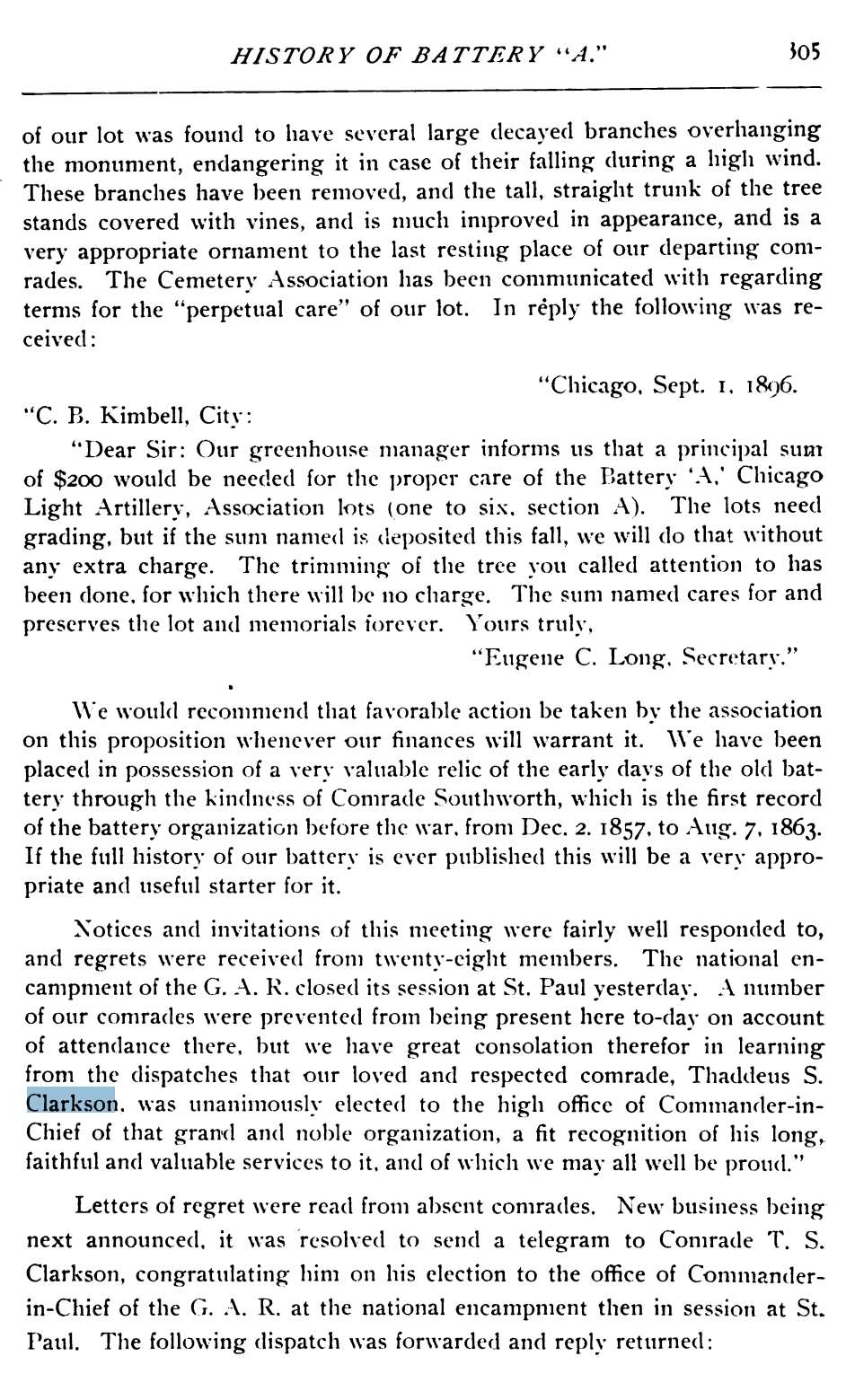
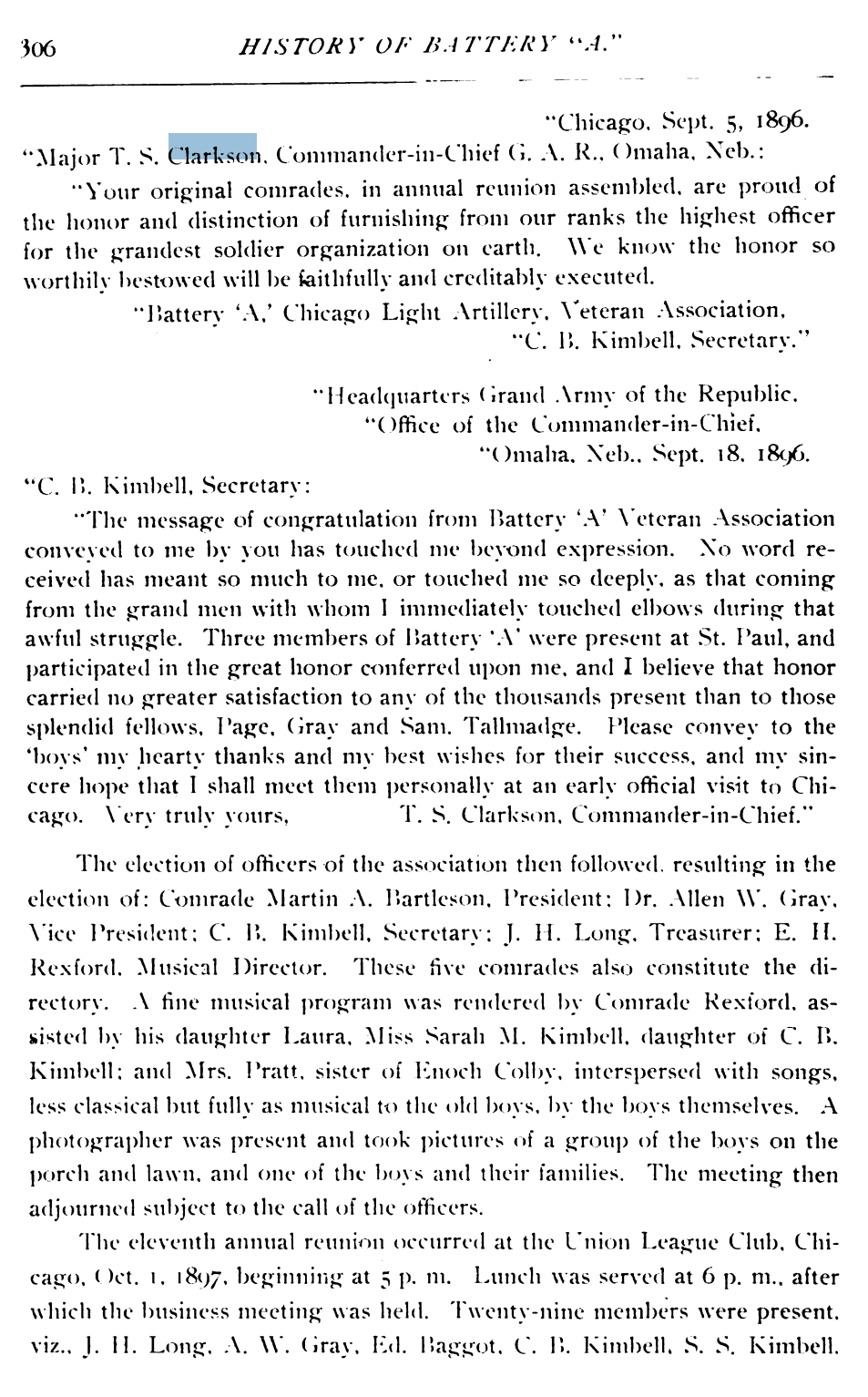
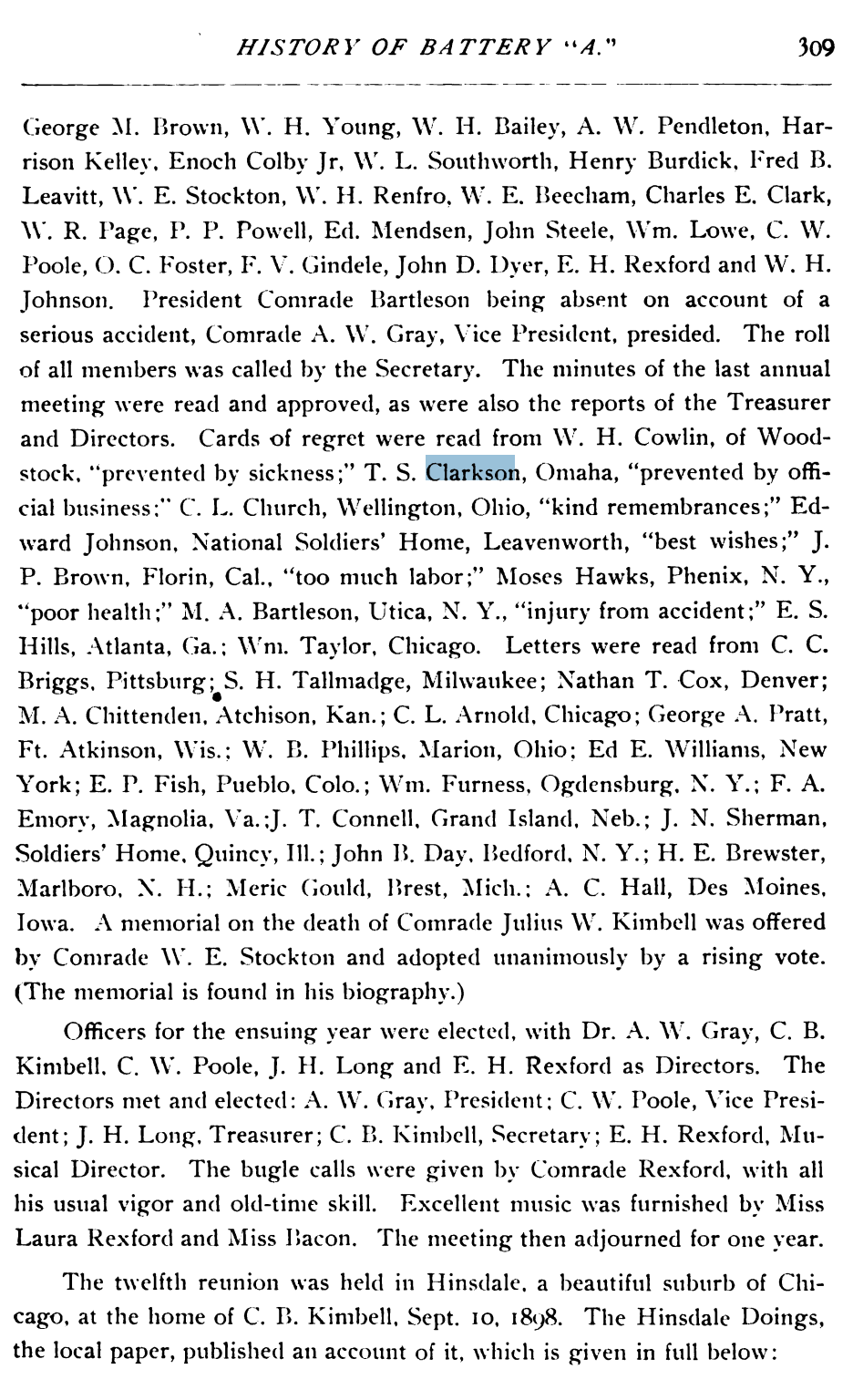
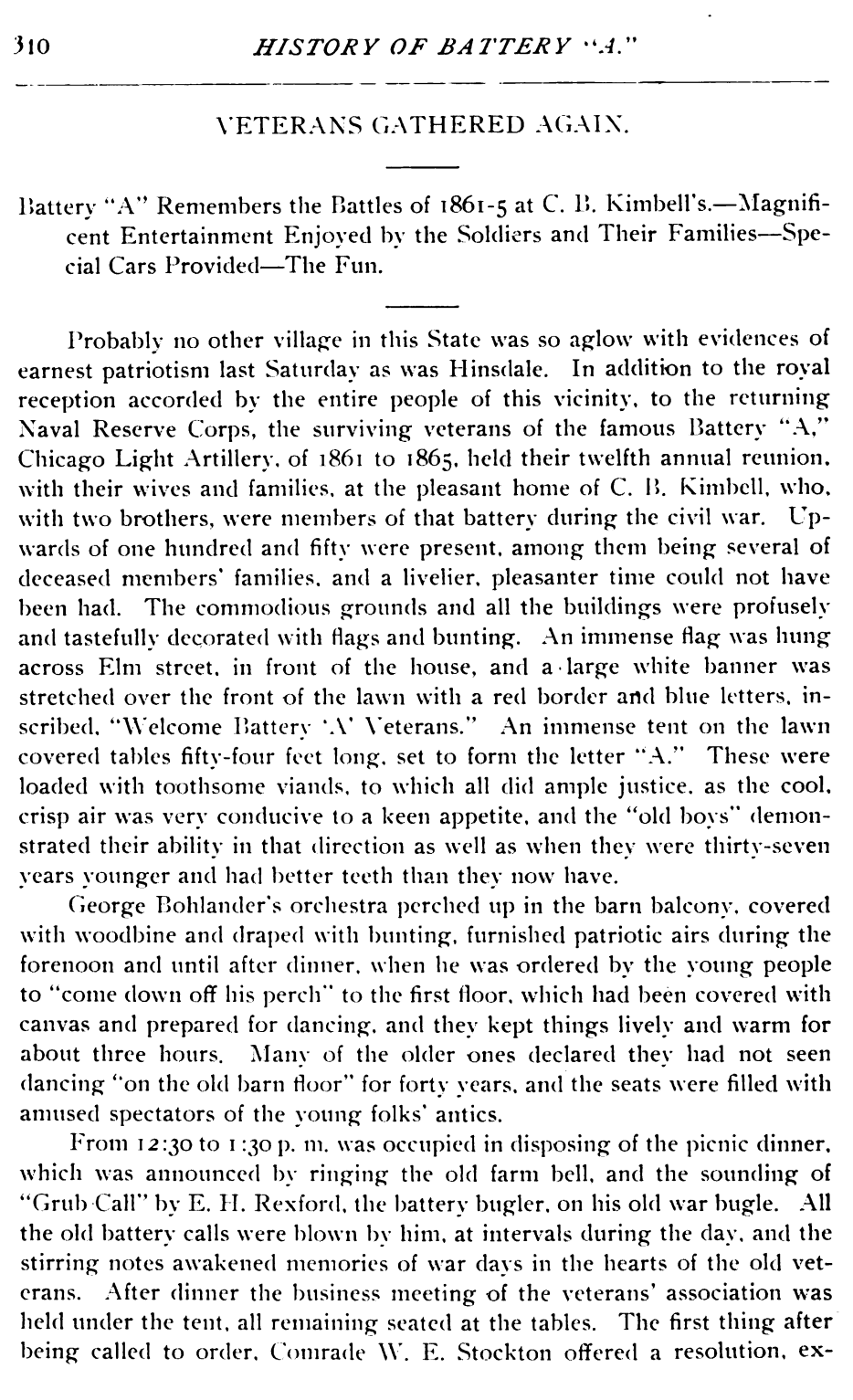
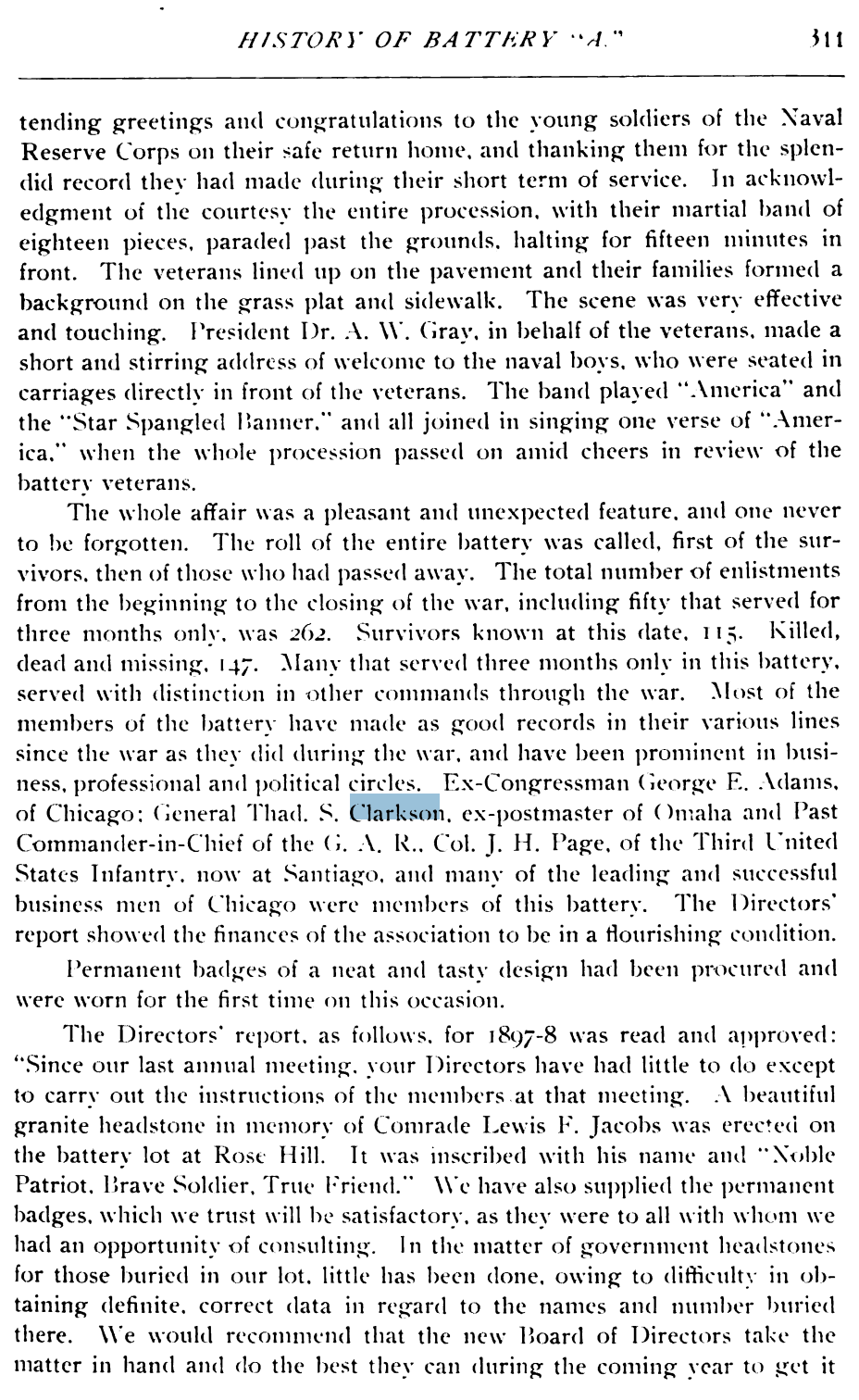
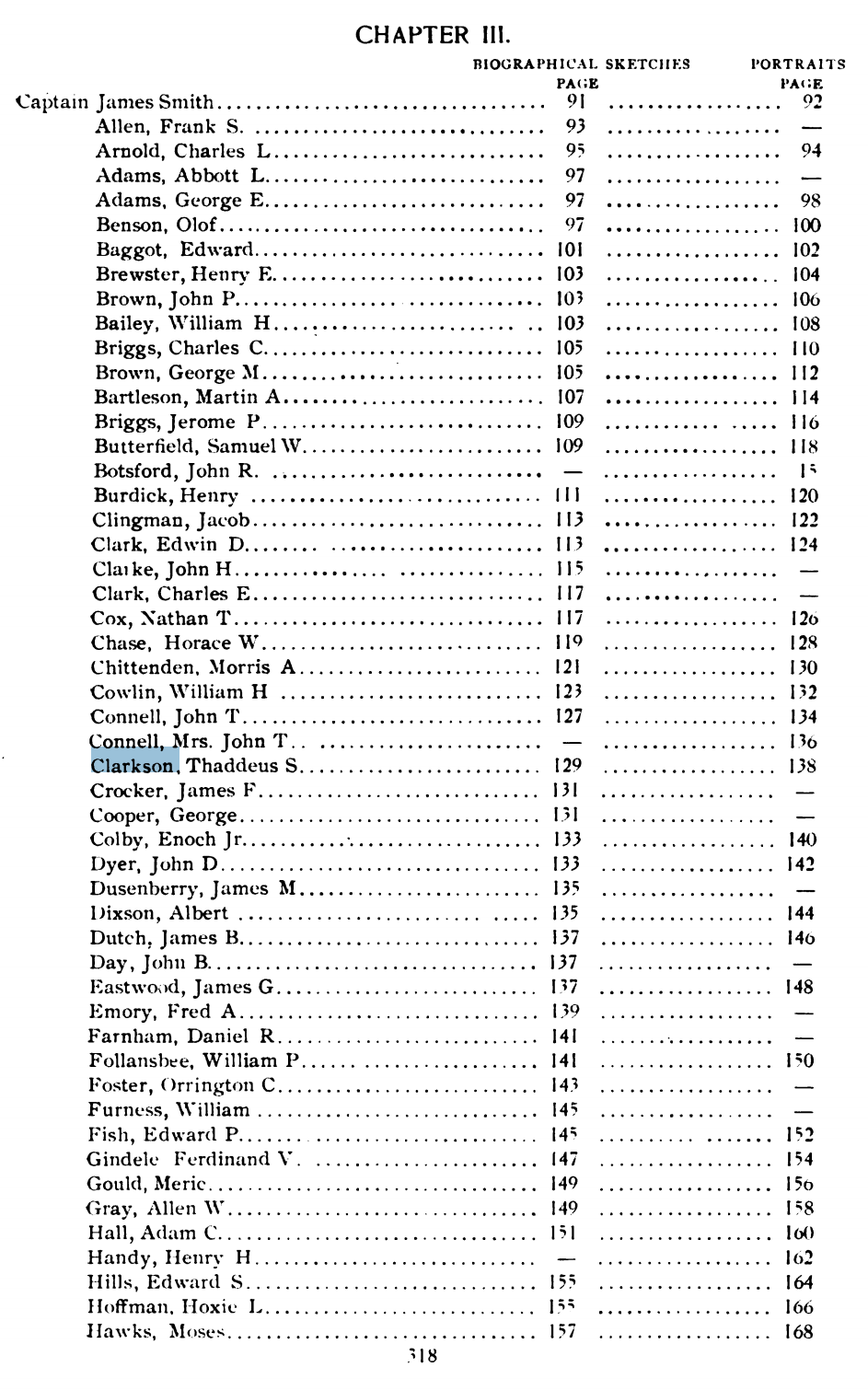
History of Battery “A,” First Illinois Light Artillery Volunteers
By Charles B. Kimbell – Published 1899
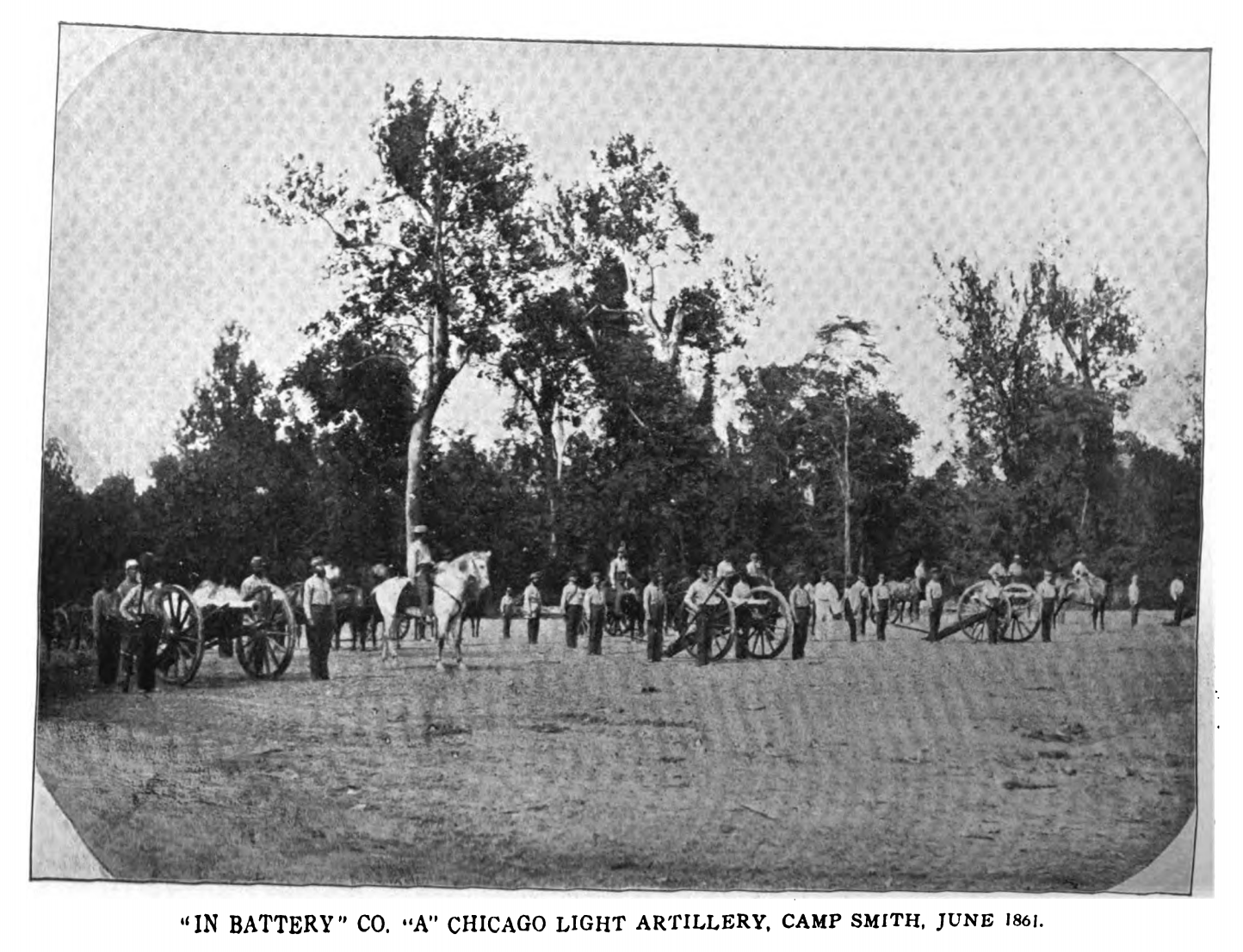
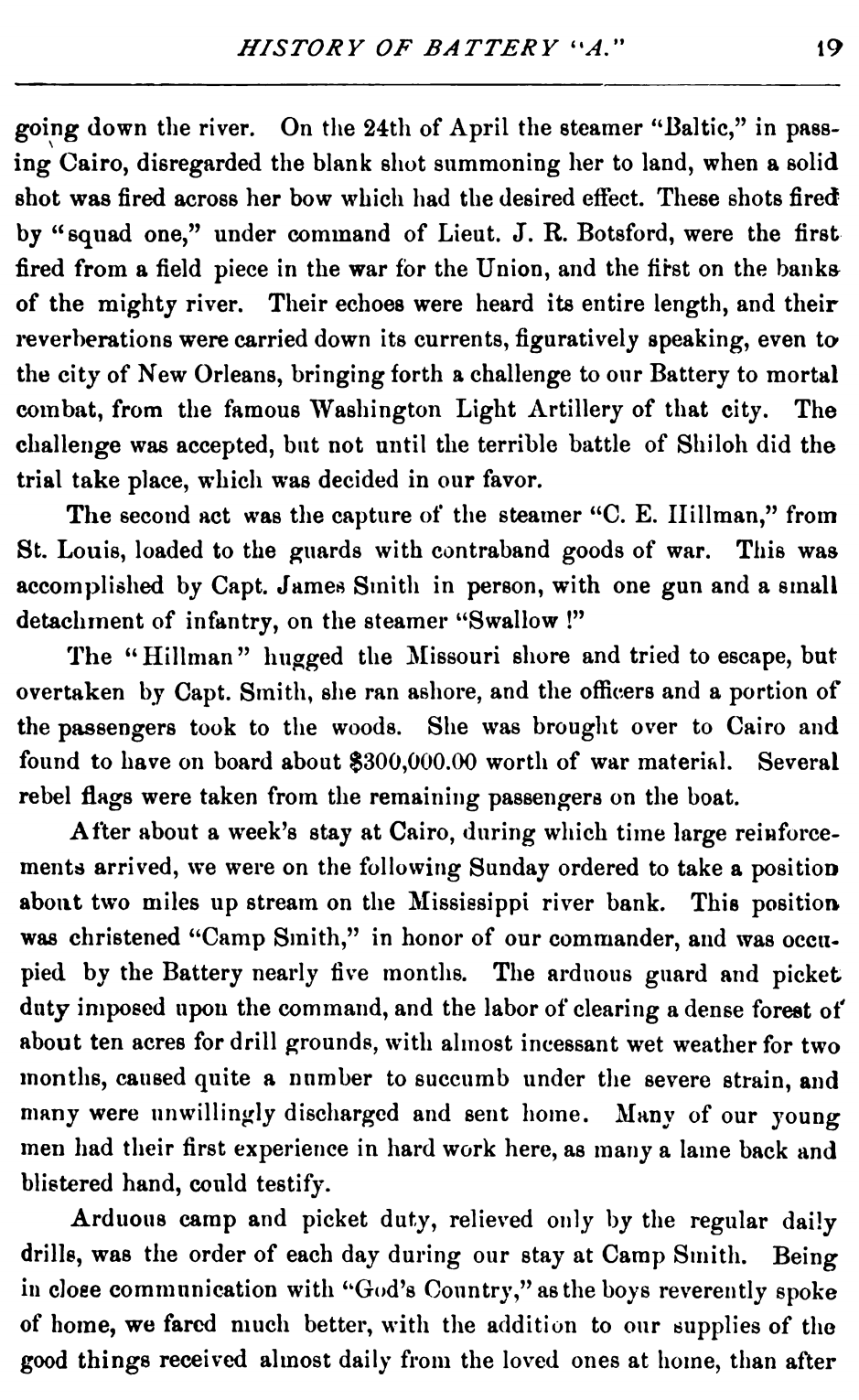
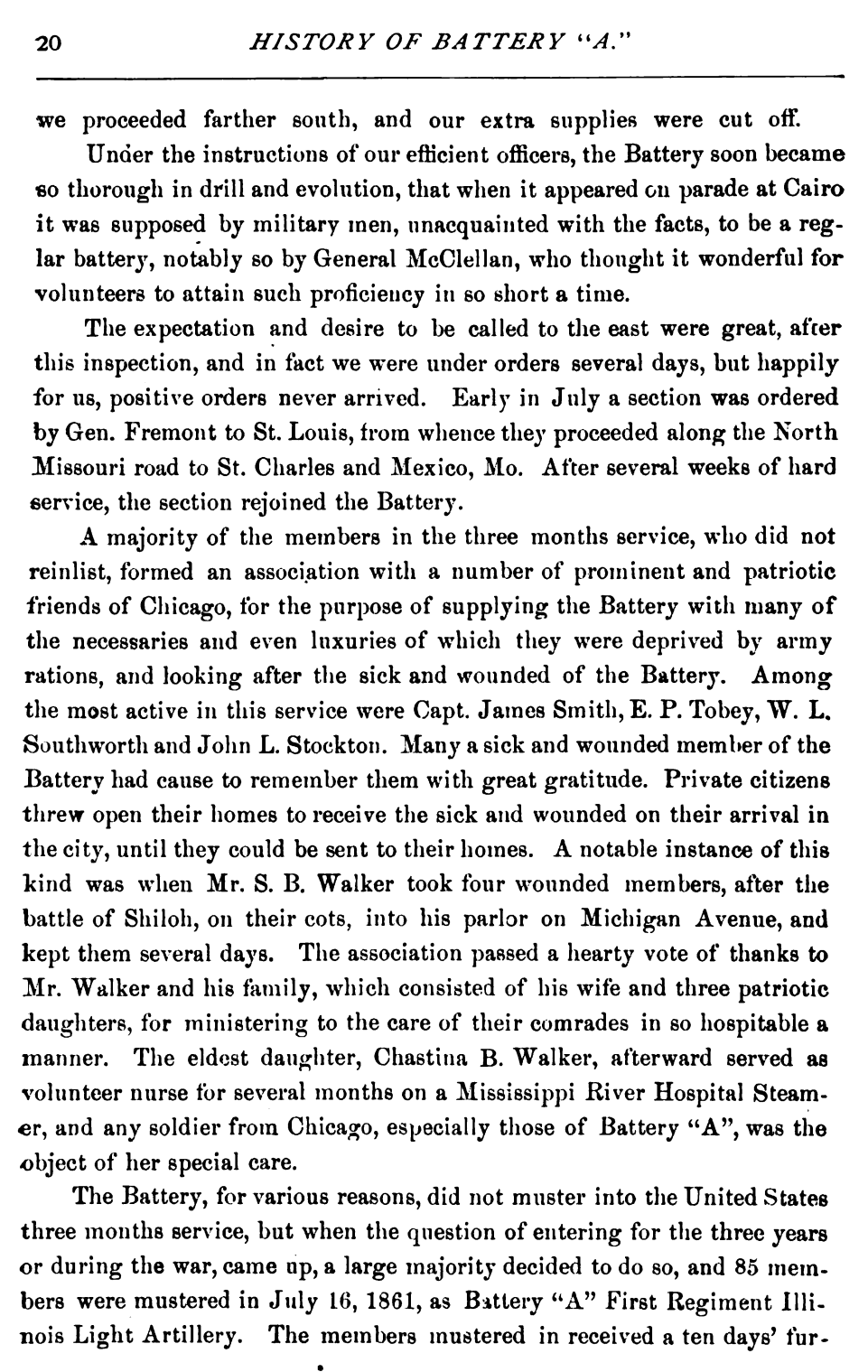
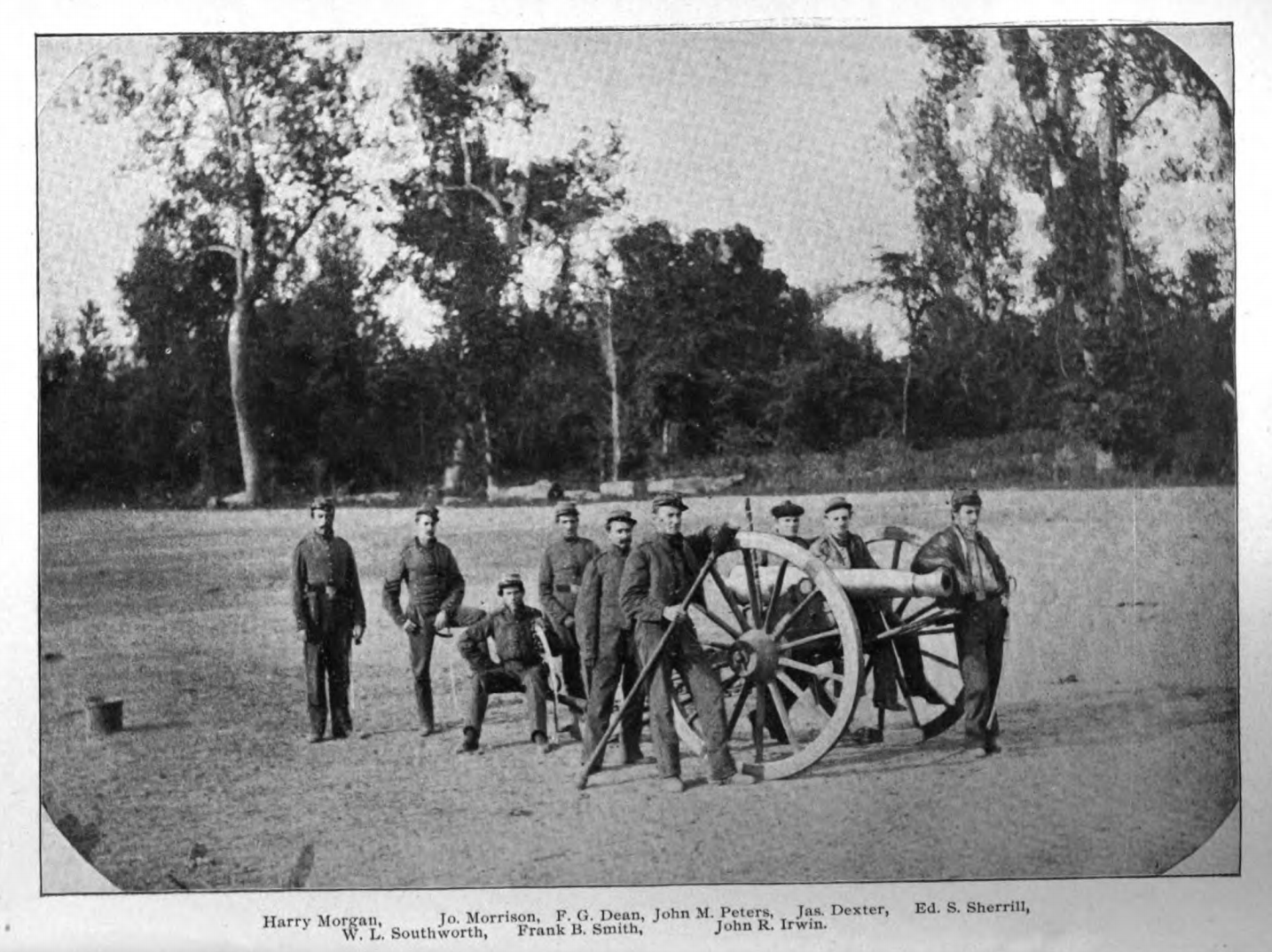

World’s Columbian Exposition:

Third World Fair held in the United States.
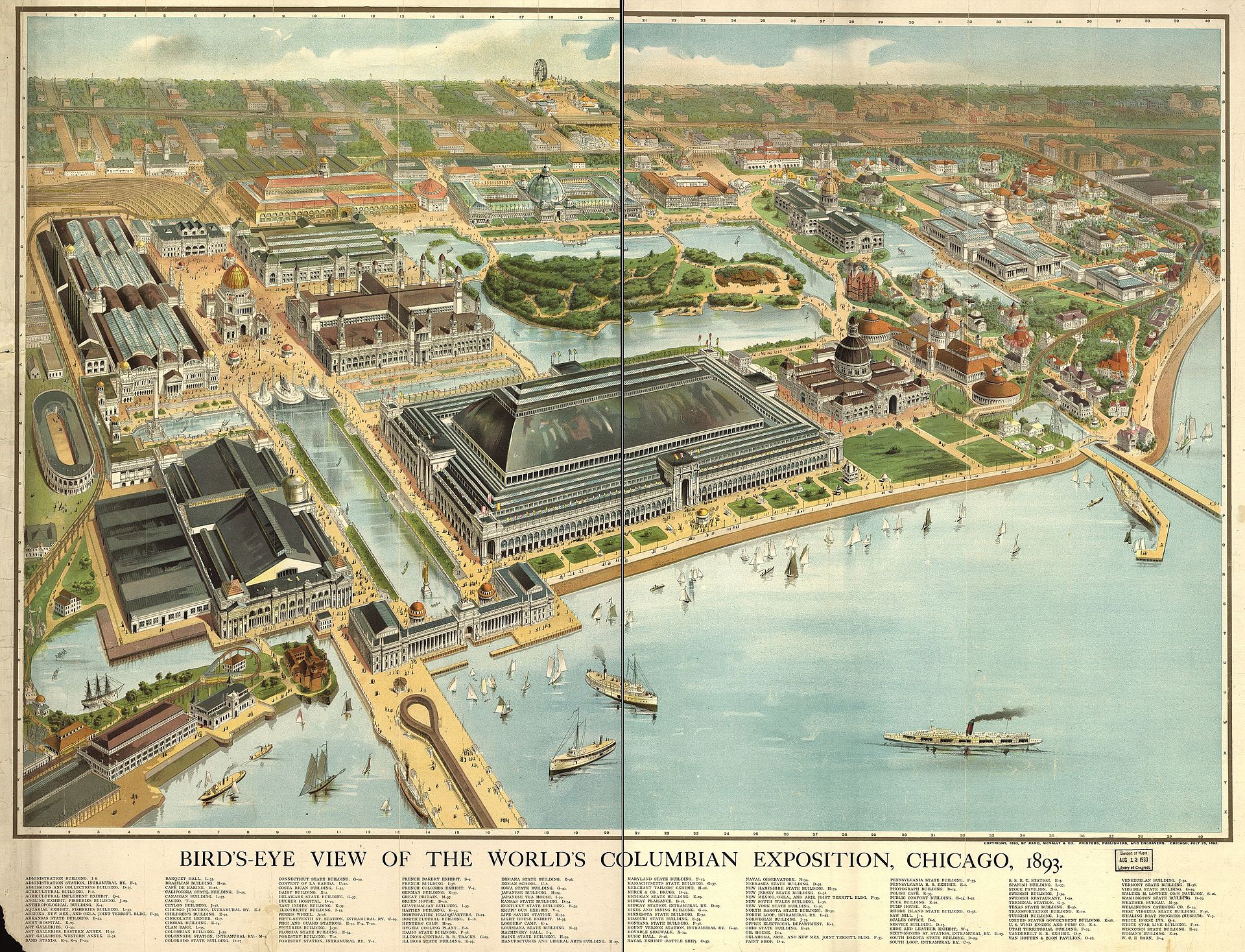
The World’s Columbian Exposition (the official shortened name for the World’s Fair: Columbian Exposition,[1] also known as the Chicago World’s Fair and Chicago Columbian Exposition) was a world’s fair held in Chicago in 1893 to celebrate the 400th anniversary of Christopher Columbus‘s arrival in the New World in 1492.[2] The centerpiece of the Fair, the large water pool, represented the long voyage Columbus took to the New World. Chicago bested New York City, Washington, D.C., and St. Louis for the honor of hosting the fair. The Exposition was an influential social and cultural event and had a profound effect on architecture, sanitation, the arts, Chicago’s self-image, and American industrial optimism.
The layout of the Chicago Columbian Exposition was, in large part, designed by John Wellborn Root, Daniel Burnham, Frederick Law Olmsted and Charles B. Atwood.[3][4] It was the prototype of what Burnham and his colleagues thought a city should be. It was designed to follow Beaux Arts principles of design, namely French neoclassical architecture principles based on symmetry, balance, and splendor. The color of the material generally used to cover the buildings façades gave the fairgrounds its nickname, the White City. Many prominent architects designed its 14 “great buildings”. Artists and musicians were featured in exhibits and many also made depictions and works of art inspired by the exposition.
Planning and organization:
Many prominent civic, professional, and commercial leaders from around the United States participated in the financing, coordination, and management of the Fair, including Chicago shoe company owner Charles H. Schwab,[7] Chicago railroad and manufacturing magnate John Whitfield Bunn, and Connecticut banking, insurance, and iron products magnate Milo Barnum Richardson, among many others.[8][9]
The fair was planned in the early 1890s during the Gilded Age of rapid industrial growth, immigration, and class tension. World’s fairs, such as London’s 1851 Crystal Palace Exhibition, had been successful in Europe as a way to bring together societies fragmented along class lines.
The first American attempt at a world’s fair in Philadelphia in 1876, drew crowds but was a financial failure. Nonetheless, ideas about distinguishing the 400th anniversary of Columbus’ landing started in the late 1880s. Civic leaders in St. Louis, New York City, Washington DC and Chicago expressed an interest in hosting a fair to generate profits, boost real estate values, and promote their cities. Congress was called on to decide the location. New York’s financiers J. P. Morgan, Cornelius Vanderbilt, and William Waldorf Astor, among others, pledged $15 million to finance the fair if Congress awarded it to New York, while Chicagoans Charles T. Yerkes, Marshall Field, Philip Armour, Gustavus Swift, and Cyrus McCormick, offered to finance a Chicago fair. What finally persuaded Congress was Chicago banker Lyman Gage, who raised several million additional dollars in a 24-hour period, over and above New York’s final offer.[10]
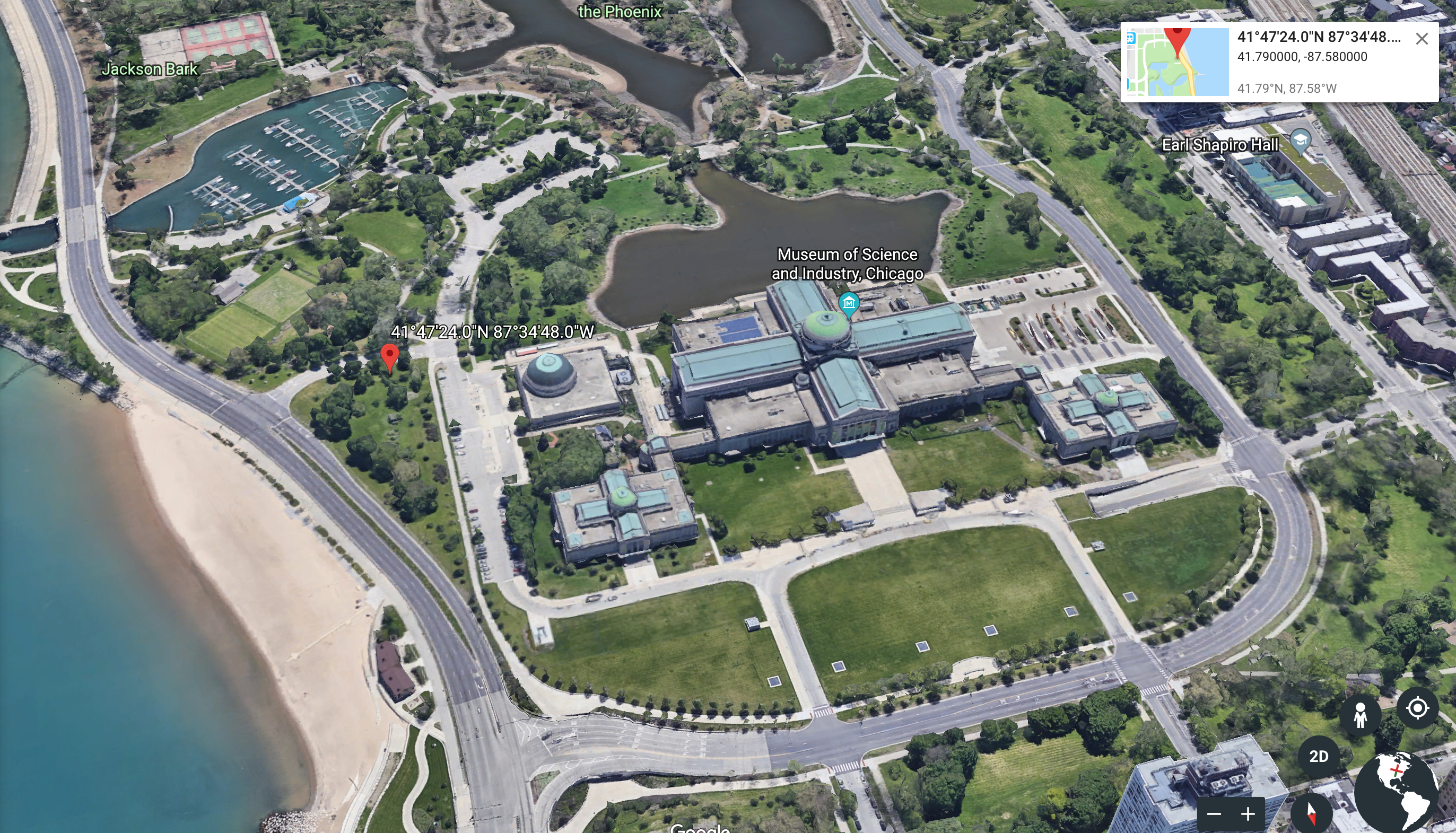
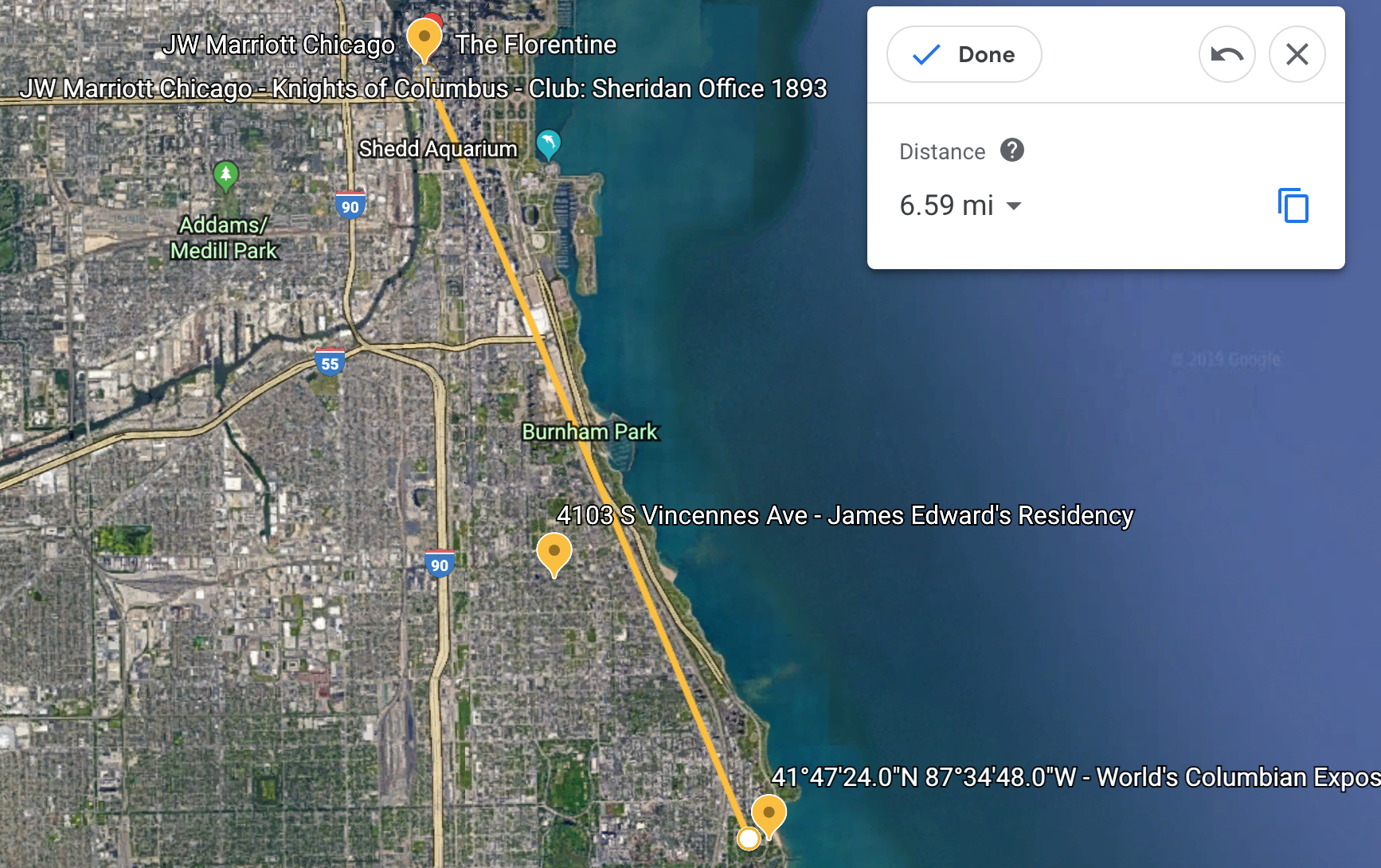
Coordinates: 41° 47′ 24″ N, 87° 34′ 48″ W
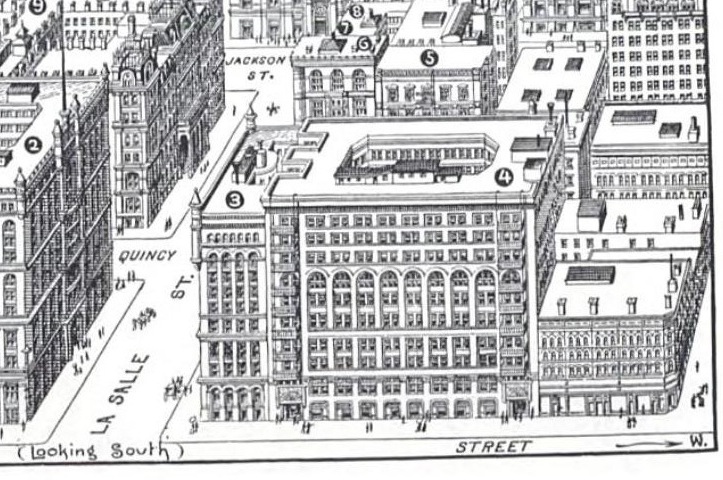
Rand McNally Building
The Rand McNally Building (1889–1911) in Chicago, designed by Burnham and Root, was the world’s first all-steel framed skyscraper.
The building was located at 160–174 Adams Street (on the south side between LaSalle and Wells) and also fronted #105–#119 on the backside (Quincy Street). It was erected in 1889 at a cost of $1 million. It was 45 m (148 ft) tall,[1] had 10 stories, 16 stores, and 300 offices, but the main tenant was Rand, McNally & Co., printers and publishers, with 900 employees. The general offices of the Chicago, Milwaukee & St. Paul Railway were located here on the 2nd and 3rd floors,[2] as were the headquarters of the World’s Columbian Exposition, on the 4th and 5th.[3] The Long Distance Telephone Company (Quincy Street side) allowed patrons the ability to telephone New York City, a novelty at the time.[4] It was demolished in 1911 and a larger building of that era still stands on the site. For many years, it housed the headquarters of the City National Bank & Trust Company.
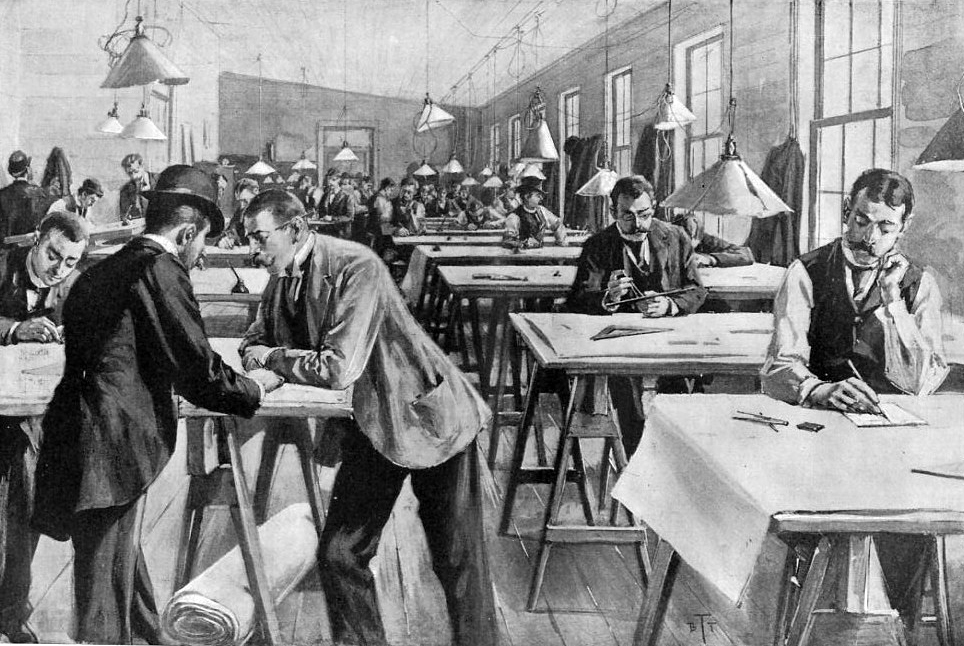
Rand McNally Building
Drawing by T. De Thulstrup
Harper’s Weekly
16 April 1892
The Rand McNally Building (1889-1911), in Chicago, was designed by Burnham and Root. The first Z-bar steel columns, invented by Charles L. Strobel, were used in this building; it was the first building of all-steel skeleton construction; and was the first building to use all terra cotta facades on the street fronts.
The building was located at 160-174 Adams Street (on the south side between LaSalle and Wells) and also fronted 105-119 on the backside (Quincy Street). It was erected in 1889 at a cost of $1 million. It had 10 stories, 16 stores, and 300 offices, but the main tenant was Rand, McNally & Co., printers and publishers, with 900 employees.
This building is where the World’s Fair headquarters are located. If so, you will find this to be one of the most magnificent structures in the world. The publishing and printing house of Rand, McNally & Co. started in 1856, since which date the remai’kable growth of its map and book-publishing business has necessitated several removals and enlargements of qusrters. Every time it has shortly found itself cramped for room, until the recent removal into the new building, 162 to 174 Adams St., which makes ample provisions for future expansion. This building is a model in size, convenience and durability, and absolutely fire-proof. It has ten stories and a basement, with a frontage of 150 feet on Adams st , extending back 166 feet to Quincy st. The framework is entirely of steel, the two fronts are fire-proofed with dark-red terra-cotta. in handsome designs, and the interior is fire-proofed with hard-burnt fire-clay, no part of the steel being exposed. In the center of the building is left a court 60×66 feet, having its outer walls faced with English white enamelled bricks. Owing partly to its great size, and partly to the fact that it is the first steel building in Chicago, besides being probably the largest and most complete building ever erected exclusively for the printing and publishing business, it is exciting a great deal of interest. Burnham & Root were the architects. The following facts concerning it illustrate in a striking manner the vastness and solidity of a modern commercial building. It contains 15 miles of steel-railway-65-pound rails in the foundation, besides the 12-inch and 20-inch steel beams. There are 13 miles of 15-inch steel beams and channels, 2½ miles of ties and angles in the roof; 7 miles of tie rods ; 10 miles of Z steel in the columns ; 12 miles of steam-pipe ; 350,000 rivets and bolt ; 7 acres of floors ; the boards of which would reach 250 miles were they laid end to end. The foundations contain 1,060 tons of steel, while the beams, etc., will weigh 2,000 tons, and the columns 700 tons; making a total of 3,7 tons of steel in this giant structure. The oflices of the various departments of the Columbian Exposition are accessible by elevator. Just now everybody from the Director General down is very busy, but that need not prevent you from looking around. They will answer your questions civilly—everybody is civil in Chicago -but don’t ask too many at present.
The general offices of the Chicago, Milwaukee & St. Paul Railway were located here on the 2nd and 3rd floors, as were the headquarters of the World’s Columbian Exposition, on the 4th and 5th. The Long Distance Telephone Company (Quincy Street side) allowed patrons the ability to telephone New York City, a novelty at the time.
It was torn down in 1911 and the JW Marriott (City National Bank, Continental Bank Building, 208 South LaSalle), building replaced it at 208 S. LaSalle in 1912. This building still stands.
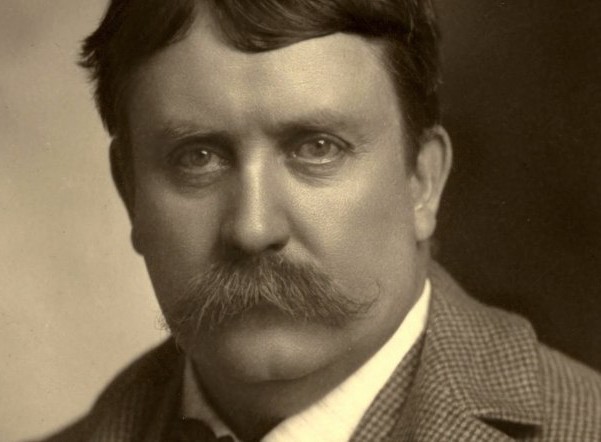
Daniel Hudson Burnham, FAIA (September 4, 1846 – June 1, 1912) was an American architect and urban designer. He was the Director of Works for the World’s Columbian Exposition in Chicago, colloquially referred to as “The White City”.
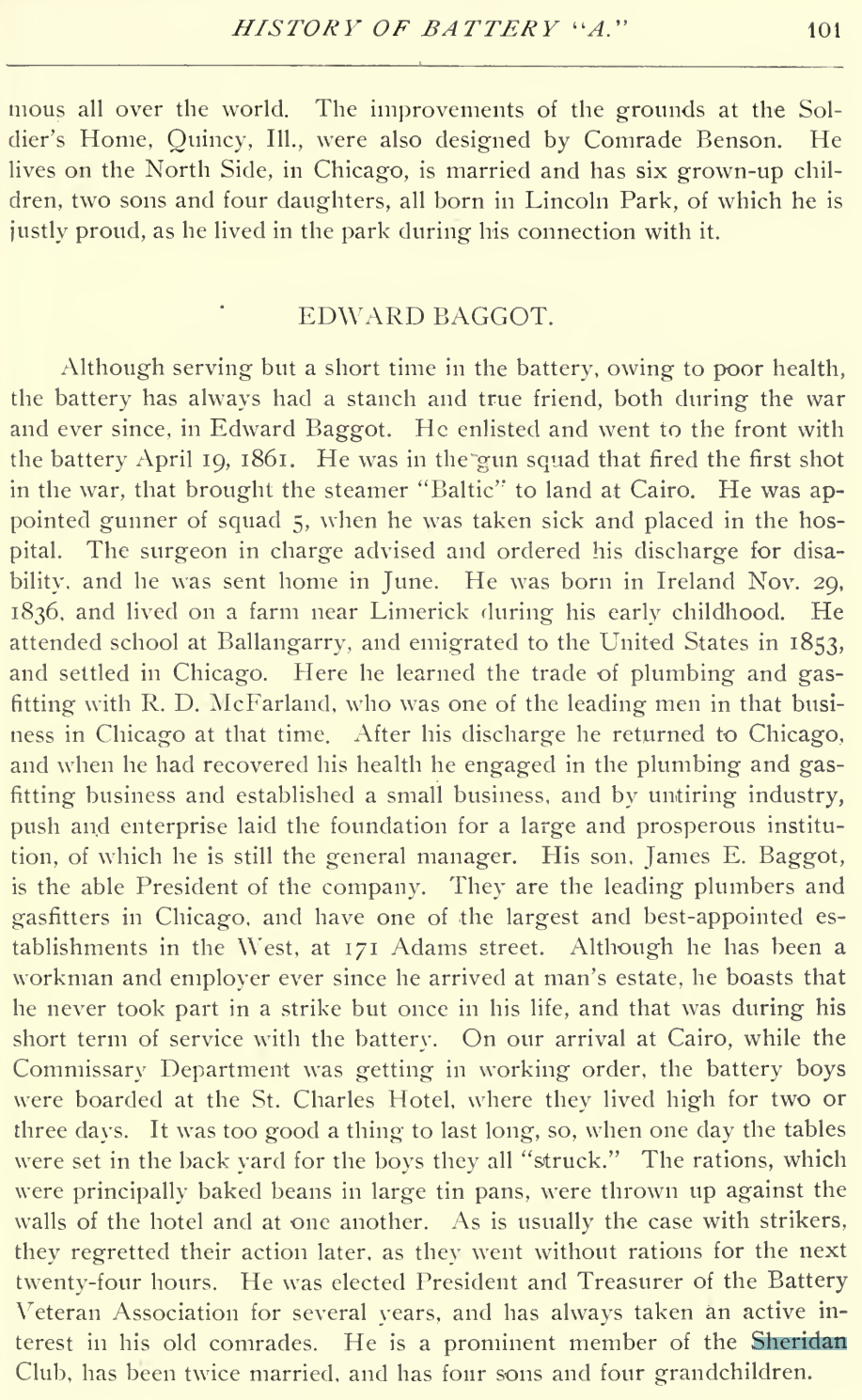
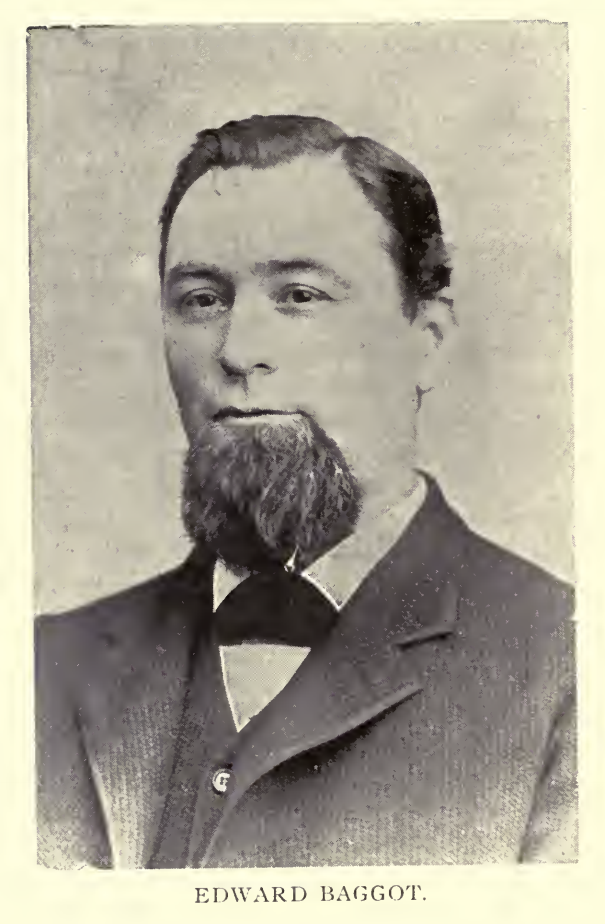
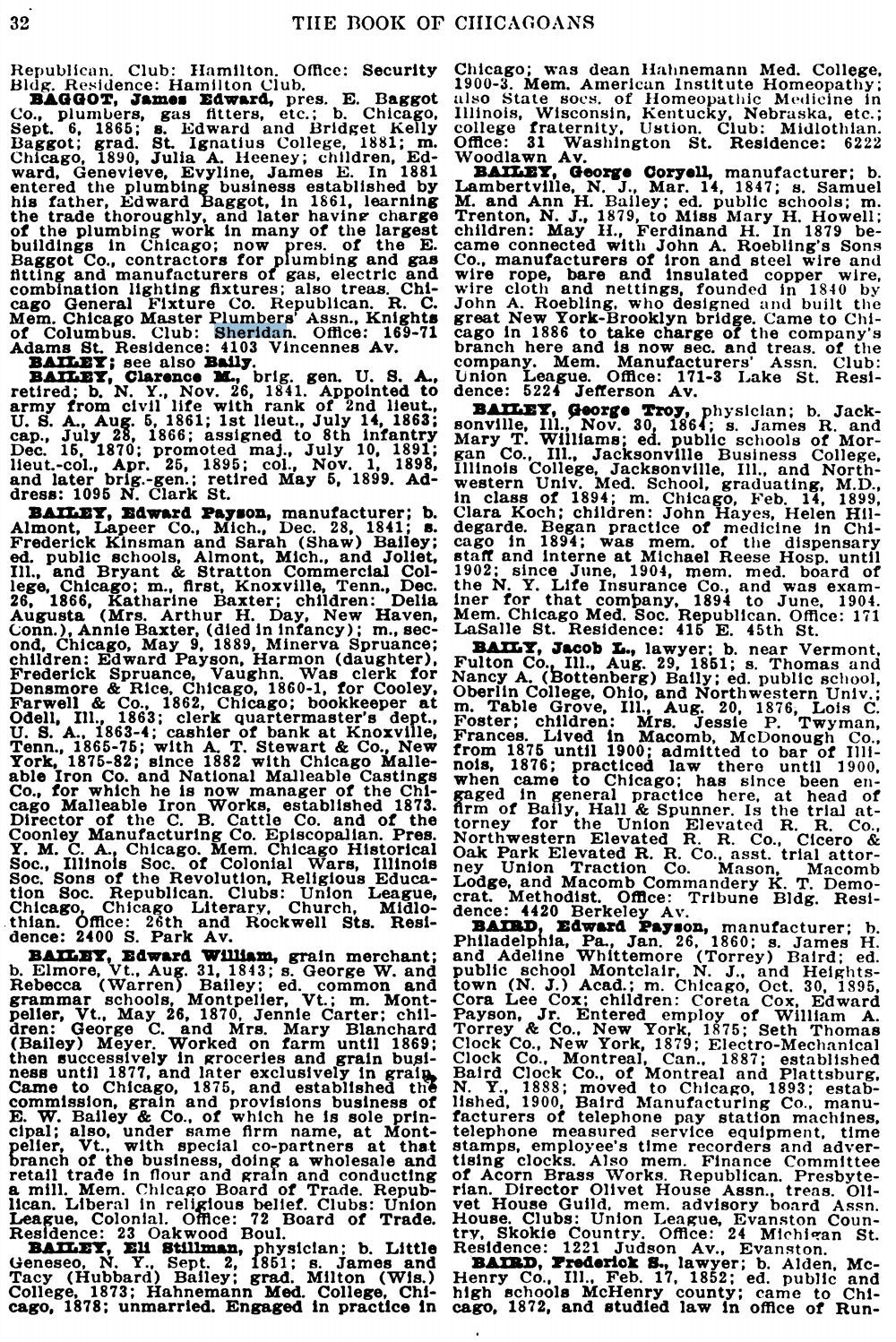
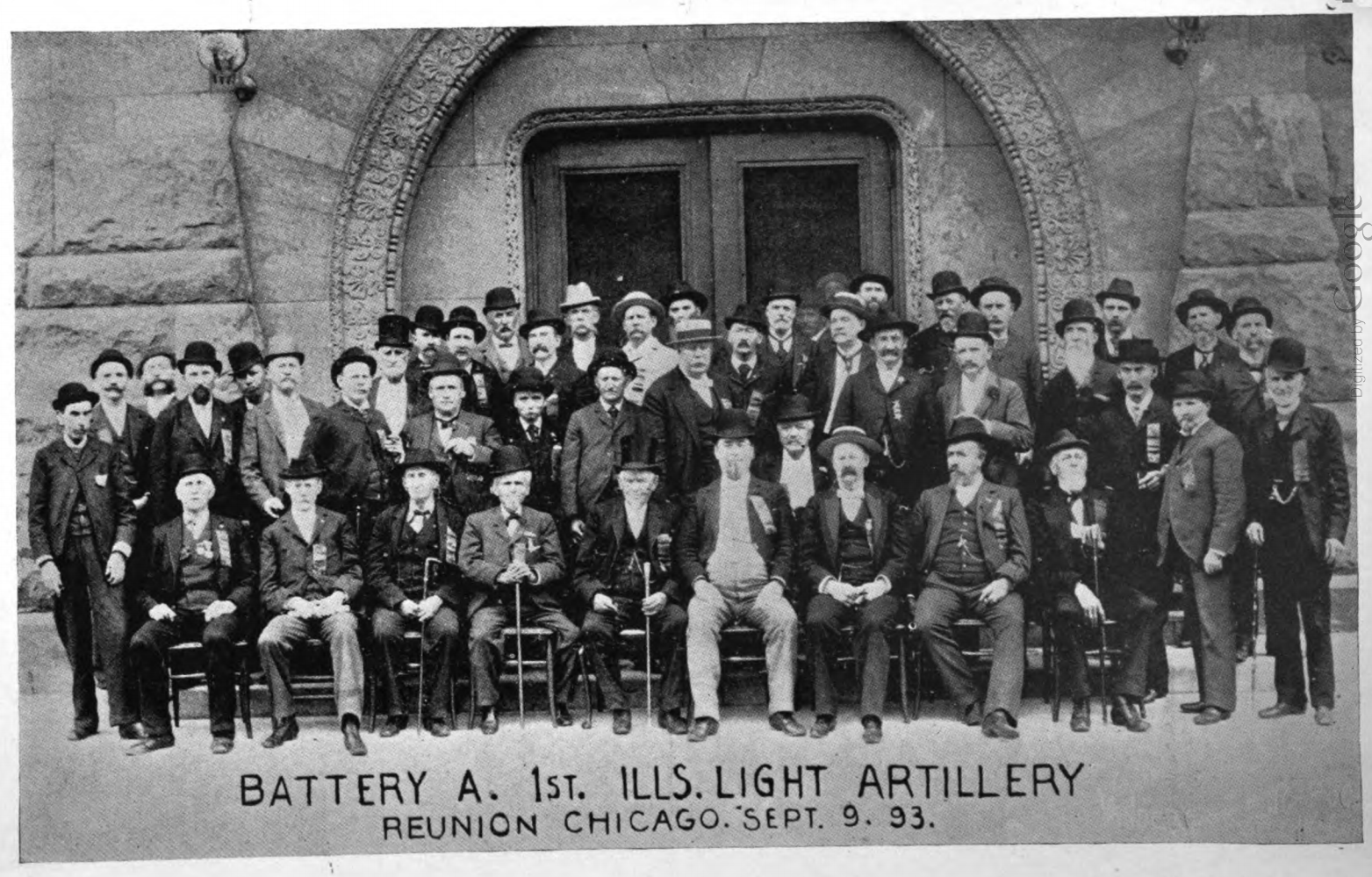
The Rand McNally Building (1889-1911), in Chicago, was designed by Burnham and Root. The offices of the Columbian Exposition, Chicago—In the Designing Room, Bureau of Construction – Rand McNally Building. The offices of The Knights of Columbus (Club: Sheridan) was located in the same building during the same time as the date of the Columbian Exposition and 8th Annual Reunion of The Battery “A” Volunteers. Thaddeus Stevens Clarkson was present at this meeting on September 9, 1893. 5 years later Thaddeus Stevens Clarkson was elected May 23, 1898 as general manager of the Trans-Mississippi International Exposition, which was a world’s fair held in Omaha, Nebraska from June 1 to November 1 of 1898. Its goal was to showcase the development of the entire West, stretching from the Mississippi River to the Pacific Coast.
Electricity at the fair:

Electricity was used to decorate the buildings with incandescent lights, illuminate fountains, and power three huge spotlights.
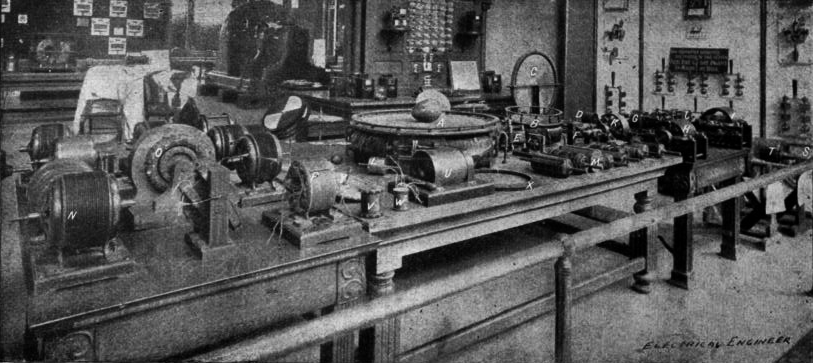
World’s Fair Tesla alternating current and electromechanical presentation.
The effort to power the Fair with electricity, which became a demonstration piece for Westinghouse Electric and the alternating current system they had been developing for many years, took place at the end of what has been called the War of the currents between DC and AC.[59] Westinghouse initially did not put in a bid to power the Fair but agreed to be the contractor for a local Chicago company that put in a low bid of US$510,000 to supply an alternating current based system.[60] Edison General Electric, which at the time was merging with the Thomson-Houston Electric Company to form General Electric, put in a US$1,720,000 bid to power the Fair and its planned 93,000 incandescent lamps with direct current. After the Fair committee went over both proposals, Edison General Electric re-bid their costs at $554,000 but Westinghouse under bid them by 70 cents per lamp to get the contract.[60][61]Westinghouse could not use the Edison incandescent lamp since the patent belonged to General Electric and they had successfully sued to stop use of all patent infringing designs. Since Edison specified a sealed globe of glass in his design Westinghouse found a way to sidestep the Edison patent by quickly developing a lamp with a ground glass stopper in one end, based on a Sawyer-Man “stopper” lamp patent they already had. The lamps worked well but were short lived, requiring a small army of workmen to constantly replace them.[62] Westinghouse Electric had severely underbid the contract and struggled to supply all the equipment specified including twelve 1,000 horsepower single phase AC generators and all the lighting and other equipment required.[63]They also had to fend off a last minute lawsuit by General Electric claiming the Westinghouse Sawyer-Man based stopper lamp infringed on the Edison incandescent lamp patent.[64]
The International Exposition held an Electricity Building which was devoted to electrical exhibits. A statue of Benjamin Franklin was displayed at the entrance. The exposition featured interior and exterior light and displays as well as displays of Thomas Edison‘s kinetoscope, search lights, a seismograph, electric incubators for chicken eggs,[65] and Morse code telegraph.[66]
All the exhibits were from commercial enterprises. Participants included General Electric, Brush, Western Electric, and Westinghouse. The Westinghouse Company displayed several polyphase systems. The exhibits included a switchboard, polyphase generators, step-up transformers, transmission line, step-down transformers, commercial size induction motors and synchronous motors, and rotary direct current converters (including an operational railway motor). The working scaled system allowed the public a view of a system of polyphase power which could be transmitted over long distances, and be utilized, including the supply of direct current. Meters and other auxiliary devices were also present.
Part of the space occupied by the Westinghouse Company was devoted to demonstrations of electrical devices developed by Nikola Tesla[67] including a two-phase induction motor, and generatorsto power the system.[68] Tesla demonstrated a series of electrical effects, some which were in previous lectures performed in America and Europe.[69] These included his “Egg of Columbus“, a metal egg that spun on a disk in a demonstraton of an electric motor’s rotating magnetic field, and a high-voltage, high-frequency alternating current demonstration where a near by coil lit a wireless gas-discharge lamp held in his hand.[70][69]
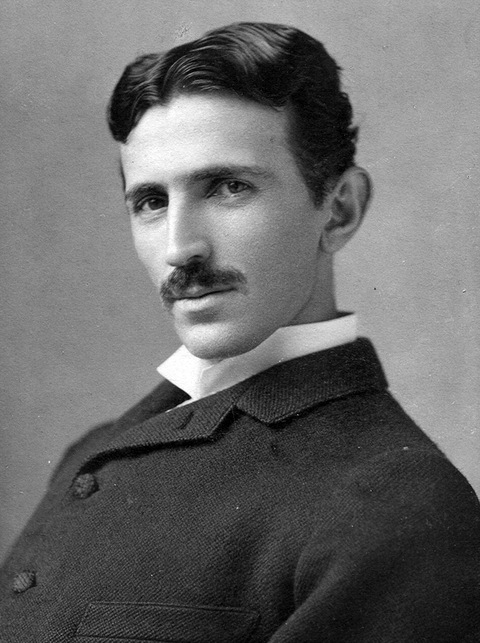
Tesla’s Egg of Columbus:
An egg of Columbus or Columbus’ egg (Italian: uovo di Colombo[ˈwɔːvo di koˈlombo]) refers to a brilliant idea or discovery that seems simple or easy after the fact. The expression refers to an apocryphal story in which Christopher Columbus, having been told that discovering the Americas was inevitable and no great accomplishment, challenges his critics to make an egg stand on its tip. After his challengers give up, Columbus does it himself by tapping the egg on the table to flatten its tip.
Nikola Tesla, at the 1893 World’s Columbian Exposition,[1] demonstrated a device he constructed known as the “Egg of Columbus“. It was used to demonstrate and explain the principles of the rotating magnetic field model and the induction motor. It was also used to rotate armatures at great distances and speeds in the first demonstration of wireless power transfer.
Figure 297 (see article photo) shows a view of part of the exhibits containing the motor apparatus. Among these is shown at A a large ring intended to exhibit the phenomena of the rotating magnetic field. The field produced was very powerful and exhibited striking effects, revolving copper balls and eggs and bodies of various shapes at considerable distances and great speeds. This ring was wound for two-phase circuits, and the winding was so distributed that a practically uniform field was obtained. This ring was prepared for Mr. Tesla’s exhibit by Mr. C.F. Scott, electrician of the Westinghouse Electric and Manufacturing Company.[2]
Tesla’s Egg of Columbus performed the feat of Columbus with a copper egg in a rotating magnetic field. The egg spins on its major axis, standing on end due to gyroscopic action.
Tesla’s device used a toroidal iron core stator on which four electromagnetic coils were wound. The device was powered by a two-phase alternating current source (such as a variable speed alternator) to create the rotating magnetic field. The device operated on a frequency of 25 to 300 hertz. The ideal operating frequency was described as being between 35 and 40 hertz. Reproductions of the device are displayed at the Nikola Tesla Museum in Belgrade, the Memorial Centre “Nikola Tesla” in Smiljan, the Technical Museum in Zagreb, the Croatian History Museum in Zagreb, in the Ann Arbor Hands-On Museum and the Tesla Science Center at Wardenclyffe in Shoreham, NY.
References:
- ^ “Nikola Tesla’s Egg of Columbus,” including a photograph of the device in action. 21st Century Books.
- ^ Inventions, Researches, and Writings of Nikola Tesla, Thomas Commerford Martin – Chapter XLII, pp 477, Mr. Tesla’s Personal Exhibit at the World’s Fair
External links:
- What Did Nikola Tesla Invent? – Tesla’s Egg of Columbus Experiment
- Tesla’s Egg of Columbus. Electrical Experimenter, 1919 – Article describing Tesla’s experiment
- Replicas of the Egg of Columbus
- Youtube demonstration
- MIT demonstration
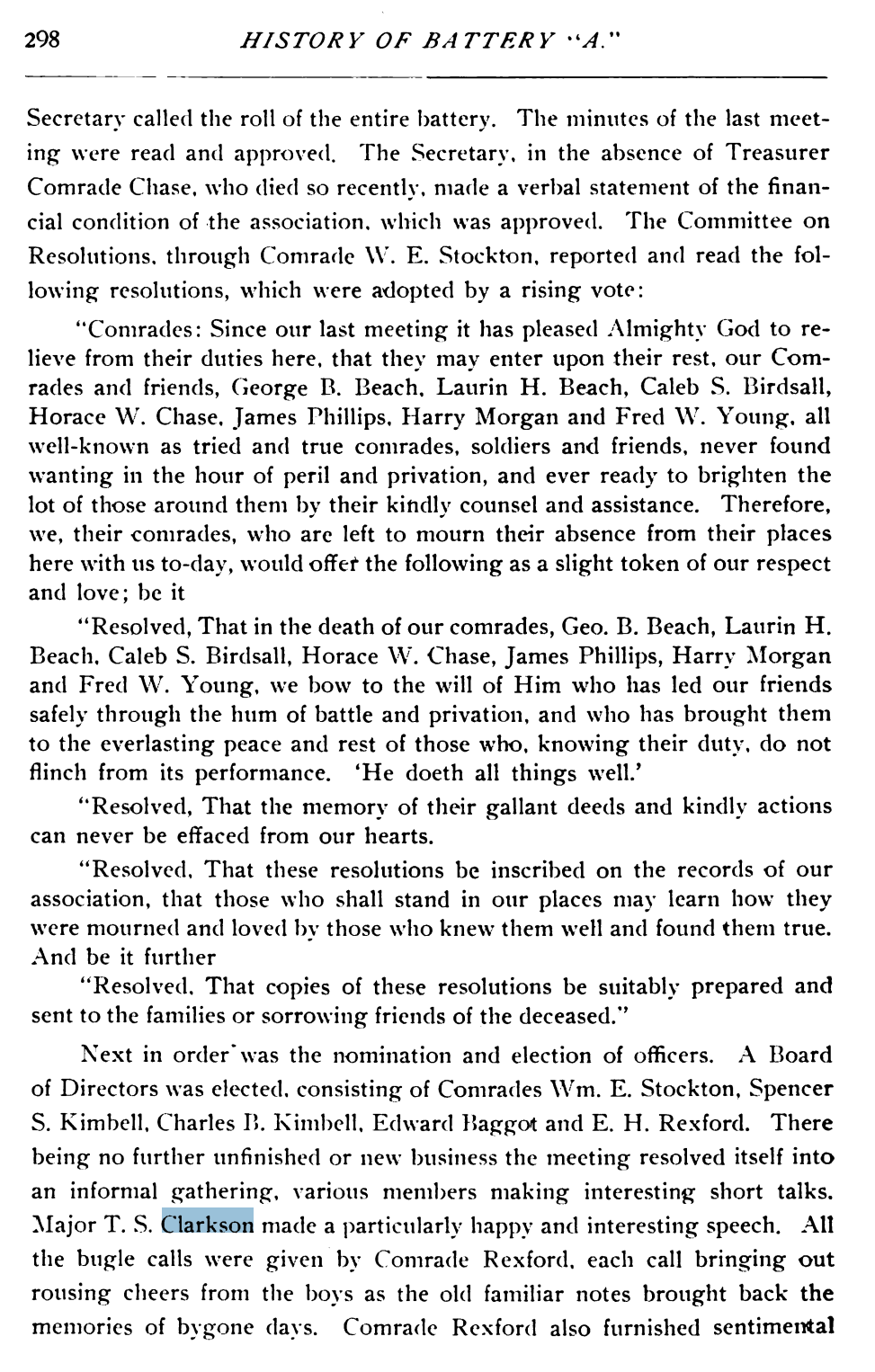
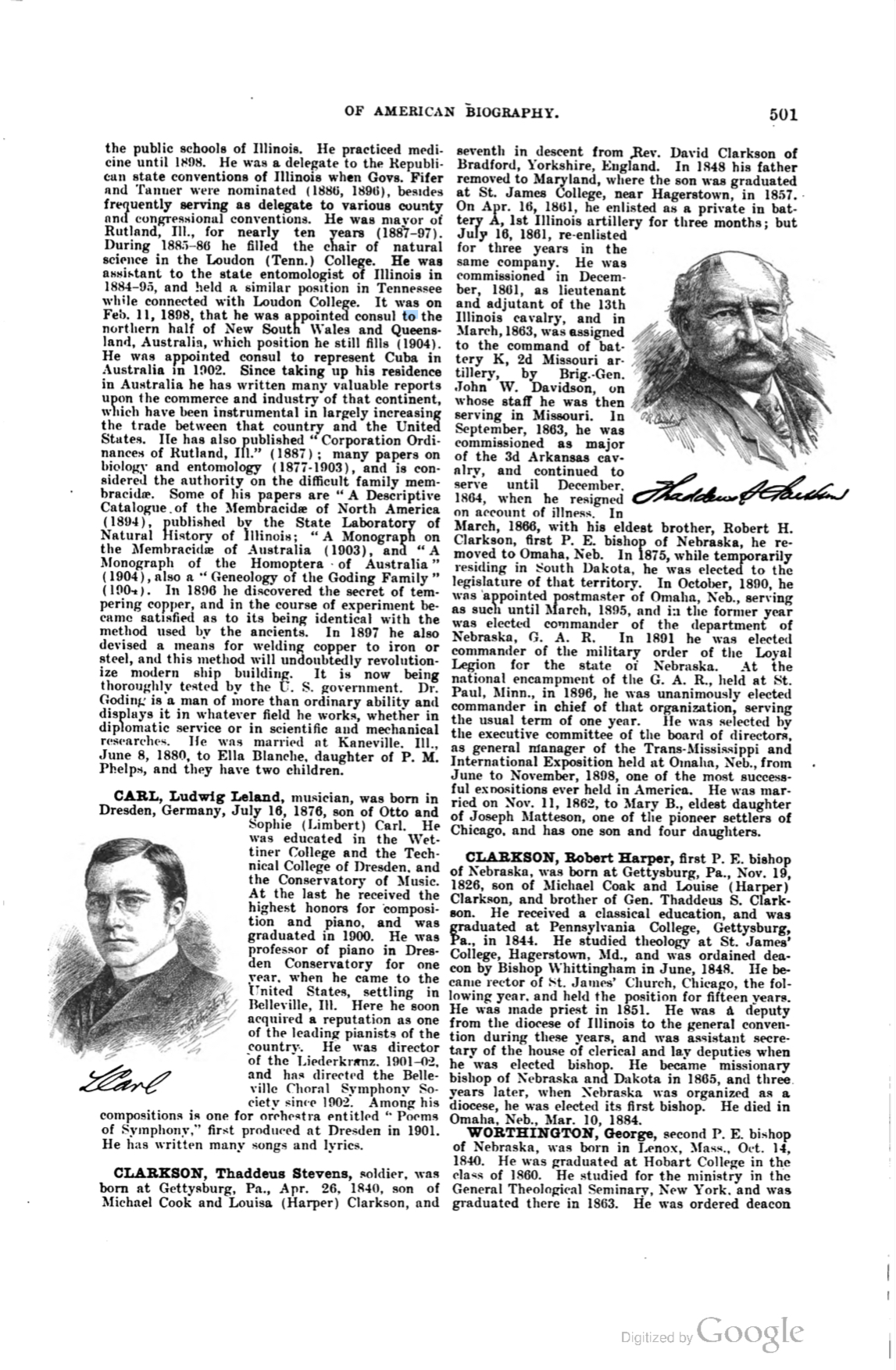
The National Cyclopedia of American Biography
By James Terry White – Published 1904
16 Jan 1915 (aged 74) Newberg, Yamhill County, Oregon, USA
BURIAL
Prospect Hill Cemetery
Omaha, Douglas County, Nebraska, USA
PLOT
lot 267
MEMORIAL ID
19881335
Grand Army of the Republic Museum & Library:
4278 Griscom Street, Philadelphia, PA 19124, US
See also:
References:
- Grand Army of the Republic. Final Journal of the Grand Army of the Republic, 1866-1956 (Washington, DC: U.S. Govt. Print. Off.), 1957. OCLC 29851816
https://archive.org/details/memoirsofmatthew00hall/page/n1
 My Family tree to Saint Arnulf of Metz (582 - 640)